
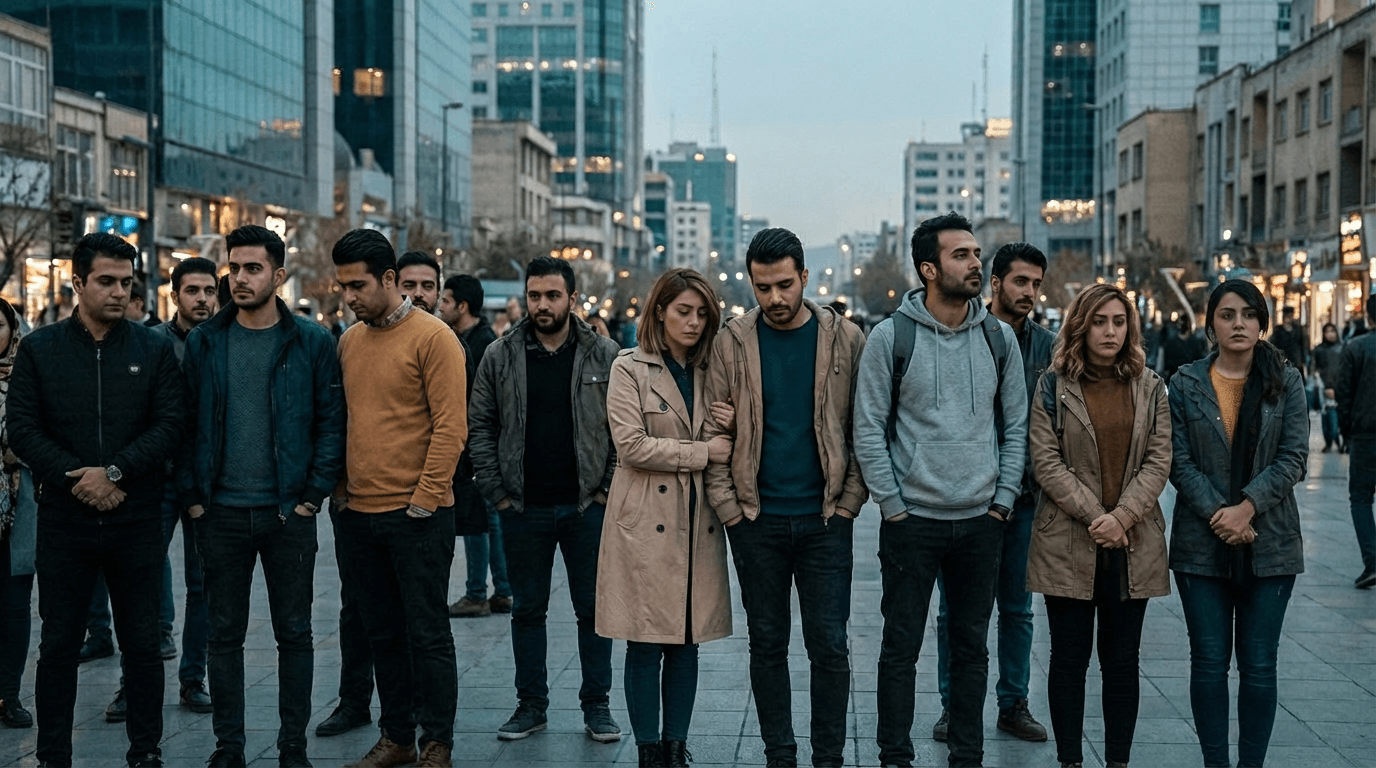
Collective Trauma; When the pain of a society lives in our body and psyche
Collective trauma is a psychological experience that forms as a result of widespread crises such as war, oppression, or chronic insecurity, and affects even individuals who are not directly present at the site of the crisis. This article addresses the scientific explanation of this phenomenon and ways to care for one's mental well-being amidst shared suffering.
Collective trauma is not just a collection of individual injuries; rather, it is a wound etched into the psychological memory of a society. When a human group is continuously exposed to threat, violence, or instability, the nervous system of individuals in that society enters a survival mode; a state that does not shut off even with geographical distance.
In such circumstances, the brain does not differentiate much between "I am in danger" and "we are in danger." This is why many individuals living abroad, despite physical safety, experience anxiety, insomnia, anger, or emotional numbness. These reactions are not signs of weakness; rather, they are natural responses to a threat experienced collectively.
One of the hidden consequences of collective trauma is emotional exhaustion. The mind constantly oscillates between empathy, anger, and an inability to help. In this state, some individuals experience guilt; the guilt of surviving or being far from direct suffering. This feeling, if not acknowledged and processed, can lead to depression or emotional disconnection.
Psychological care in the face of collective trauma begins with awareness. Naming the experience helps the brain to move out of chaos. The next step is to bring the body back to the present moment; through slow breathing, mindful movement, and limiting incessant exposure to news.
Treating collective trauma does not mean becoming numb or indifferent. The goal is to build a capacity within the psyche to tolerate pain without collapsing. Therapy, especially in online and same-language formats, can provide a safe space for giving meaning to this shared experience.
Collective trauma is not the end of the road. History has shown that societies, through narrative, connection, and care, can transform deep wounds into a healed memory.