
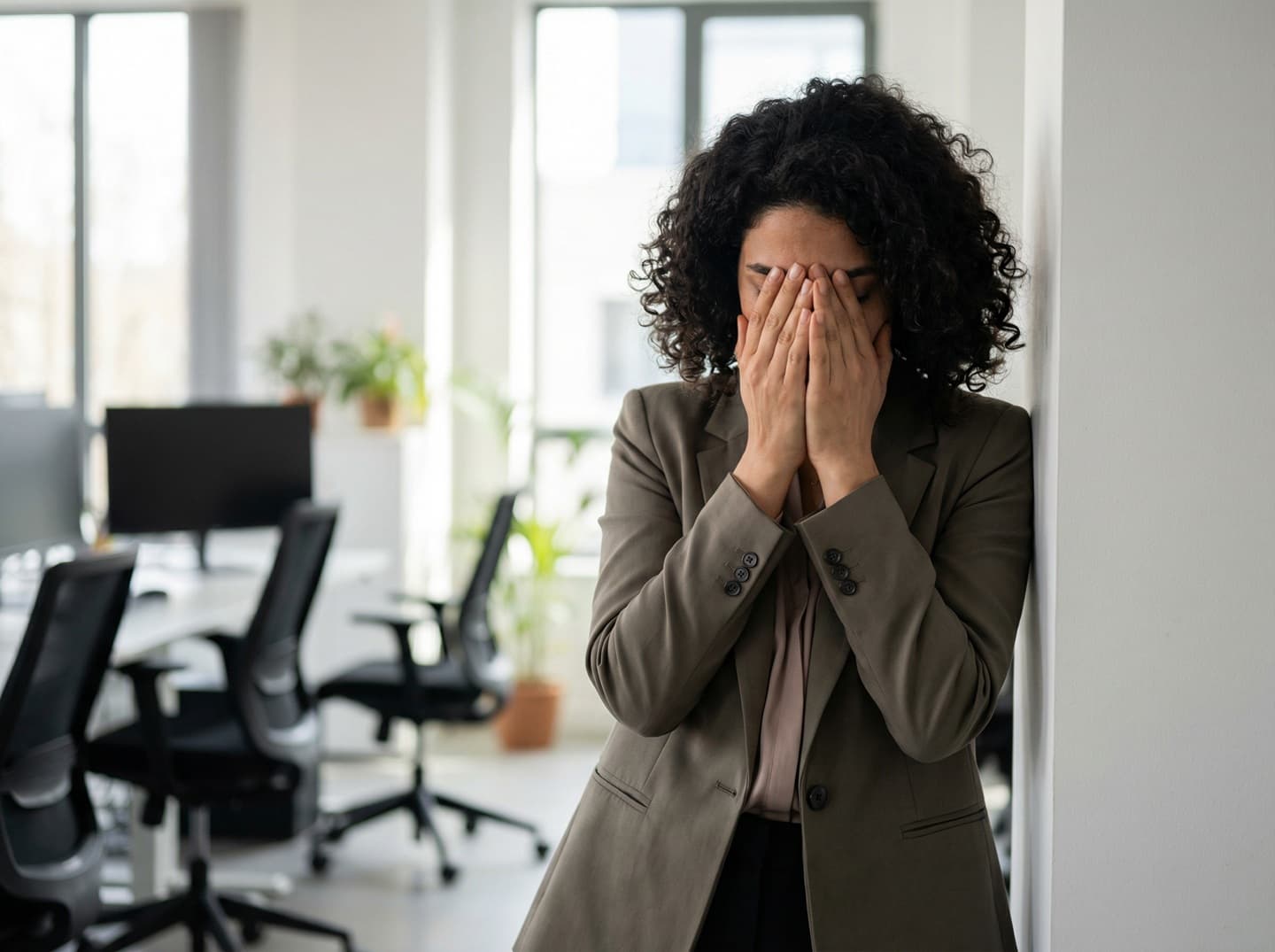
Survivor's Guilt; Why do you feel you don't have the right to be well when Iran is unsafe?
Many Iranians abroad, during times of crisis and insecurity in Iran, experience a deep, silent feeling: the guilt of being well. This article addresses the concept of "survivor's guilt"; a feeling that can disrupt joy, peace, and even the continuation of daily life.
When Iran is unsafe and your family, friends, or compatriots live in difficult conditions, there might be moments when you suddenly feel good: a career success, a brief laugh, a peaceful evening. And at that very moment, a feeling of guilt arrives. It's as if a voice inside you says: 'Now is not the time to be well.'
This experience is known in psychology as Survivor’s Guilt; a state in which an individual feels shame or guilt for being alive, safe, or in better circumstances than others. This phenomenon was initially described in survivors of war and natural disasters, but today it is also very common among immigrants, exiles, and individuals living away from crises.
Survivor's guilt is often mistaken for empathy. But healthy empathy brings connection; survivor's guilt brings paralysis. Suffering more is neither a sign of morality nor does it help others. This feeling is a product of a brain that loses the boundaries of responsibility when faced with a collective threat.
In many cases, there is an unconscious belief behind this feeling:
'If I don't suffer, I am disloyal.'
Whereas clinical psychology shows that continuing to live, taking care of oneself, and even experiencing joy, is not only not immoral, but is a condition for maintaining mental health during long-term crises.
What Helps?
Naming the experience as 'survivor's guilt'
Distinguishing empathy from self-destruction
Allowing for conflicting emotions (sadness and joy simultaneously)
Transforming guilt into specific and limited action
Receiving professional support for regulating complex emotions
The Role of Therapy
Therapy helps an individual understand which part of suffering is 'human and natural' and which part is self-harming. The goal of treatment is not to eliminate the feeling; it is to restore balance and allow for living amidst a collective crisis.