🇨🇭 Zurich
Switzerland
Everything works, except the feeling you cannot name
Zurich is a city where trains arrive on the second, salaries are high and the streets are safe. Which is exactly why it gets harder to say you are not well: in a place where everything is in order, having a problem starts to look like your own fault.
What you get with Emotral
We make the whole path easy, from finding the right therapist to your first session.
- No waiting listChoose your therapist and book an open slot right away.
- 15-minute intro sessionMeet your therapist before you start and see whether it feels right.
- 24/7 supportQuestions about booking, payment or a session? Our team is there.
- Persian-speaking therapistsSomeone who understands your language, culture and migration story.
- Student discountStudents pay less once their student status is verified.
- Simple and fully onlineBook, pay by card and meet over secure video, anywhere in Zurich.

You learned German, and here they do not speak it
This is the thing almost nobody tells you before moving to Switzerland. You study standard German for months, reach B2, then walk into a cafe in Zurich and understand nothing. Swiss German is not an accent, it is effectively a different spoken language, and it is the real language of daily life.
Written material is in standard German and so are most formal meetings, but the joke at lunch, the chat in the lift, the remarks around the edge of a meeting are all in Swiss German. Which means the exact layer where friendship is built is the layer you stay outside of.
Many Iranians in Zurich say years later that their problem was never the working language. It was that they never got into the informal conversations. That is what produces loneliness in one of the wealthiest cities in the world.
Basic insurance, the franchise, and why therapy still costs
Since July 2022 Switzerland has used the prescription model: a GP or psychiatrist prescribes psychotherapy and basic insurance covers it. That was a real improvement, because before it psychologists had to work under a doctor's supervision.
Being covered is not the same as being free. You chose your own annual franchise, and many people take the highest one to keep the monthly premium down. That means the first sessions come entirely out of your own pocket, and after that a ten per cent share still remains.
The practical result: plenty of Iranians in Zurich have insurance and still postpone treatment, because every January it starts again from zero.
The invisible pressure of a city where everyone is successful
Zurich is a finance and technology city and many Iranians here hold good positions. From outside everything looks correct, and that is precisely what hides the problem.
When your salary is good and your work is respected, saying I am not well sounds ungrateful even to yourself. Family in Iran often says the same thing: but you have everything. That sentence, even offered kindly, closes the door.
Residency adds another layer. A B permit is tied to your employment contract, so losing a job is not only a career event. That background insecurity does not switch off on the good days.
What Farsi-speaking newcomers in Zurich find hardest
Swiss German, and staying outside the informal conversations
The annual franchise, which makes starting therapy expensive
The highest cost of living in Europe
A residency permit tied to an employment contract
A reserved culture, and friendships that take years
Shame about struggling in an environment where everyone is successful
No prescription, no franchise, in your own language
Starting with an Emotral therapist needs no doctor's prescription and no waiting for a franchise to fill. The session price is clear in advance and it is what you pay.
More importantly, you do not have to begin by explaining why you cannot tell your family you are exhausted. Our therapists speak Farsi and most of them have emigrated themselves.
Farsi-speaking therapists available to you
Every Emotral session is online, so these therapists — wherever in the world they live — are available to Iranians in Zurich, and you see the session time in your own local clock.

Dr. Farzaneh Abroshan
Acceptance and Commitment Therapy (ACT), Schema Therapy, Group Therapy

Dr. Mojgan Shariatpanahi
Individual Therapy (Adults), Family Therapy, Couples Therapy
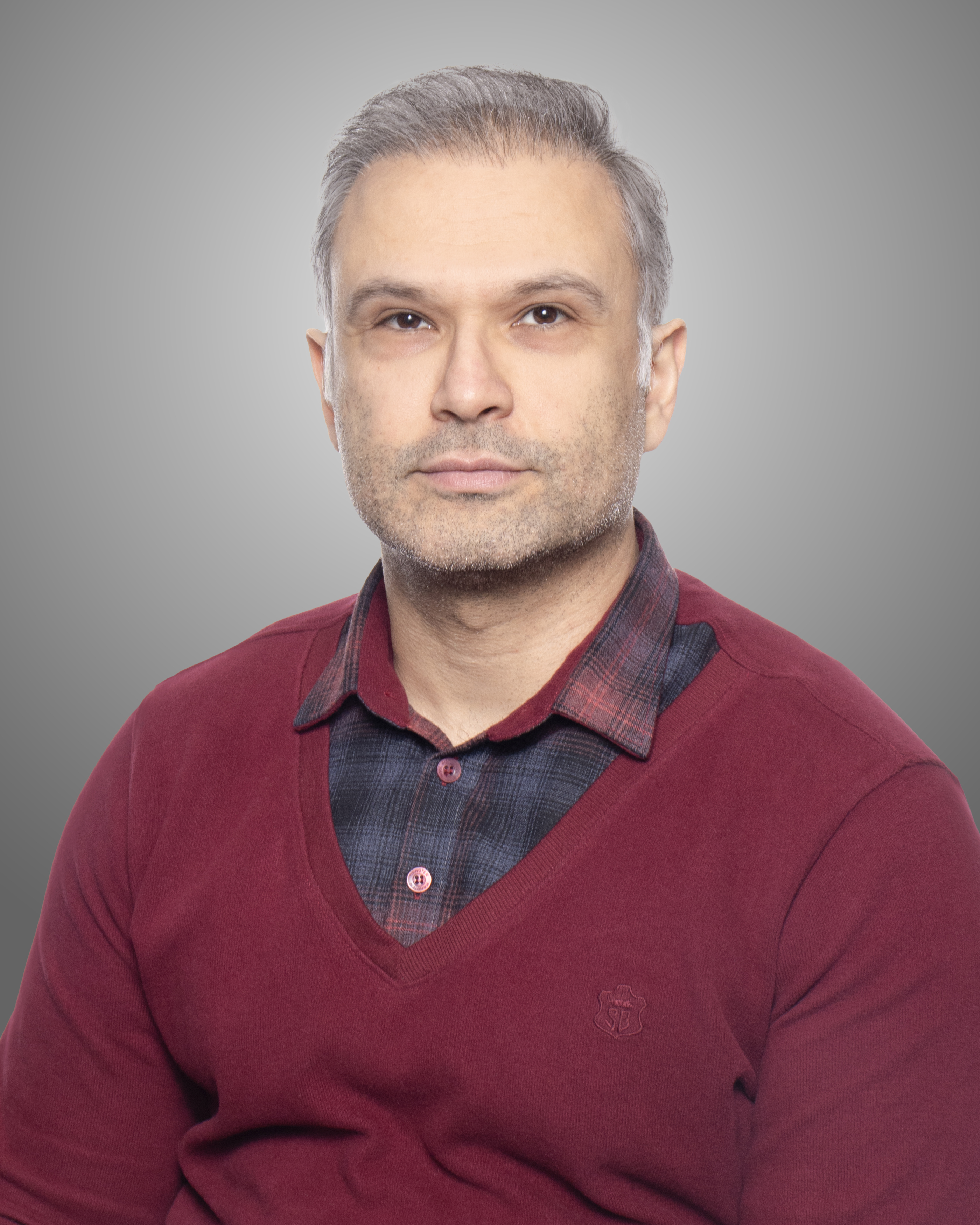
Dr. Jalal Khademi
PhD in Psychology, Depression, Anxiety & Panic Attacks

Lena Ebadi
Intensive Short-Term Dynamic Psychotherapy (ISTDP), Cognitive Behavioral Therapy (CBT), Individual Therapy (Adults)

Dr. Fatemeh Mesgarian
Analytic Psychotherapy, Individual Therapy (Adults), Individual Counseling

Dr. Farzad Rasoulof
Schema Therapy, Cognitive Behavioral Therapy (CBT), Acceptance and Commitment Therapy (ACT)