🇩🇪 Munich
Germany
When everything looks tidy from outside
Munich is a city of success: good jobs, clean streets, high salaries. Which is exactly why admitting you are not well is harder here. Many Iranians in Munich are engineers, doctors or researchers, and from outside nobody sees a problem at all.
What you get with Emotral
We make the whole path easy, from finding the right therapist to your first session.
- No waiting listChoose your therapist and book an open slot right away.
- 15-minute intro sessionMeet your therapist before you start and see whether it feels right.
- 24/7 supportQuestions about booking, payment or a session? Our team is there.
- Persian-speaking therapistsSomeone who understands your language, culture and migration story.
- Student discountStudents pay less once their student status is verified.
- Simple and fully onlineBook, pay by card and meet over secure video, anywhere in Munich.
The silent pressure of being successful
Munich has the highest rents and the highest cost of living in Germany. To stay in this city you have to work well and earn well, and that builds a loop: the more you work, the less time there is to notice how you are.
For an Iranian immigrant that pressure has two layers. Many arrived on a scholarship or a job offer and feel indebted to the family who stayed in Iran: they have to prove the leaving was worth it. In that position, saying something as simple as I am tired gets heard as failure, and that is what pushes asking for help back by years.
Getting treatment in Bavaria
The insurance rules in Bavaria are Germany's national rules: covered treatment only with a licensed contract therapist, after an assessment session and insurer approval. In Munich the demand is very high and the waiting lists run longer than the national average.
If you want a therapist who holds an insurance licence and speaks Farsi, you arrive in practice at a search with no answer. Most people eventually either abandon treatment or continue in German, and part of what they came to say stays where it was.
Bavaria, and cultural distance
Bavaria is more conservative than northern Germany and its social networks are more closed. Friendships form slowly, and many Iranians in Munich say that even after years they have no relationship they could cry in.
That loneliness, alongside long working hours, is the precise ground that depression and anxiety grow in. The important point is that this is not evidence of weakness in you. It is the result of the conditions you are living in.
What Farsi-speaking newcomers in Munich find hardest
A very high cost of living and constant financial pressure
A demanding work culture and long hours
Shame about admitting a psychological problem among people who all look successful
Slow-forming social networks in Bavaria
Family expectation back in Iran that the emigration be proved right
Talking to somebody you do not have to explain it to
A Farsi-speaking therapist does not have to ask why you cannot tell your family you are struggling, or why you feel you always have to be strong. They already know.
Sessions are online, so they happen at an hour that is actually possible for you, even when your working days run long.
Farsi-speaking therapists available to you
Every Emotral session is online, so these therapists — wherever in the world they live — are available to Iranians in Munich, and you see the session time in your own local clock.

Lena Ebadi
Based in Germany
Intensive Short-Term Dynamic Psychotherapy (ISTDP), Cognitive Behavioral Therapy (CBT), Individual Therapy (Adults)

Paria Arjmandi
Based in Germany
Intensive Short-Term Dynamic Psychotherapy (ISTDP), Analytic Psychotherapy, Dynamic Psychotherapy

Yousof Zohdi Omouei
Based in Germany
Cognitive Behavioral Therapy (CBT), Acceptance and Commitment Therapy (ACT), Schema Therapy

Dr. Farzaneh Abroshan
Acceptance and Commitment Therapy (ACT), Schema Therapy, Group Therapy

Dr. Mojgan Shariatpanahi
Individual Therapy (Adults), Family Therapy, Couples Therapy
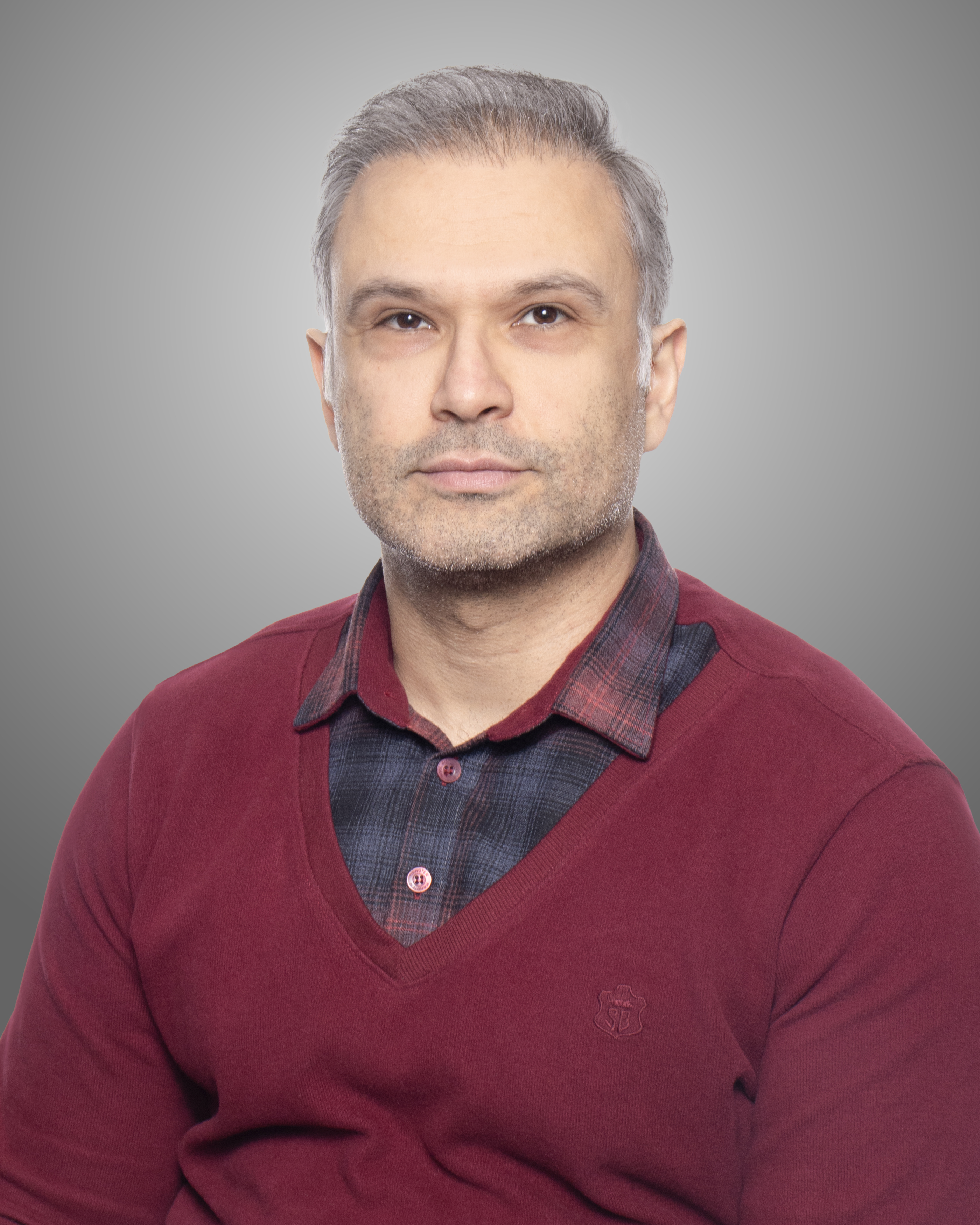
Dr. Jalal Khademi
PhD in Psychology, Depression, Anxiety & Panic Attacks
Farsi-speaking therapists for Iranians across Germany
Other city guides: Berlin, Hamburg, Frankfurt, Cologne, Dusseldorf, Stuttgart