
🇸🇪 Malmö
Sweden
A city argued about daily by people who have never lived in it
Malmö is the youngest and most multicultural of Sweden's large cities, with a bridge connecting it to Copenhagen. For many Iranians here daily life runs across two countries, and at the same time their city has become a permanent subject of national argument.
What you get with Emotral
We make the whole path easy, from finding the right therapist to your first session.
- No waiting listChoose your therapist and book an open slot right away.
- 15-minute intro sessionMeet your therapist before you start and see whether it feels right.
- 24/7 supportQuestions about booking, payment or a session? Our team is there.
- Persian-speaking therapistsSomeone who understands your language, culture and migration story.
- Student discountStudents pay less once their student status is verified.
- Simple and fully onlineBook, pay by card and meet over secure video, anywhere in Malmö.

Living on the bridge: working in one country, sleeping in another
The Öresund bridge puts Copenhagen within commuting distance, and many people in Malmö cross it daily because Danish salaries are higher and Swedish rents are lower. The calculation is sensible and it has a consequence.
Tax in one country, insurance in another, your children's schooling in a third office. Any change at all, switching jobs, having a child, falling ill, means two systems have to talk to each other, and they usually do not.
There is something psychological in that halved life too. The city you sleep in and the city you work in are neither of them entirely your life, and your friendships tend to sit on whichever side you are not on that day.
A city that became a political metaphor
Malmö has for years been used in Swedish political argument, and in foreign media, as an example of the immigration problem. Its residents usually tell a completely different story: a young city, full of energy, with food and music and a university.
When a city becomes a metaphor, so do the people in it. A job interview in Stockholm, a conversation with relatives abroad, even introducing yourself at a party: in each of them you first have to correct a picture.
That tiredness of permanent defence costs energy even when you do not take it seriously. And for an immigrant who has already had to explain themselves, it is a second layer of the same old work.
The vårdcentral, the cost ceiling, and the queue
Mental health care starts at the vårdcentral and through 1177, as everywhere in Sweden. The annual cost ceiling means public treatment is ultimately cheap: the problem is not money, it is waiting, and the psychology queue in Skåne is long too.
If you work across the bridge the question gets more complicated: which system is responsible for you, Sweden where you are registered or Denmark where your work insurance is? That administrative ambiguity is itself a common reason people put treatment off.
What Farsi-speaking newcomers in Malmö find hardest
A parallel administrative life across Sweden and Denmark
The fatigue of constantly correcting the public image of your city
Psychology queues in the Skåne region
Uncertainty about which health system is responsible for you
Friendships scattered across both sides of the bridge
Learning Swedish while your workplace runs in Danish
Treatment that does not care which side of the bridge you are on
The session is online, so it makes no difference whether you are in Malmö or Copenhagen that day, and no administrative system has to decide who is responsible for you.
The therapist speaks Farsi, so you do not have to explain your city, or yourself, before you begin.
Farsi-speaking therapists available to you
Every Emotral session is online, so these therapists — wherever in the world they live — are available to Iranians in Malmö, and you see the session time in your own local clock.

Dr. Farzaneh Abroshan
Acceptance and Commitment Therapy (ACT), Schema Therapy, Group Therapy

Dr. Mojgan Shariatpanahi
Individual Therapy (Adults), Family Therapy, Couples Therapy
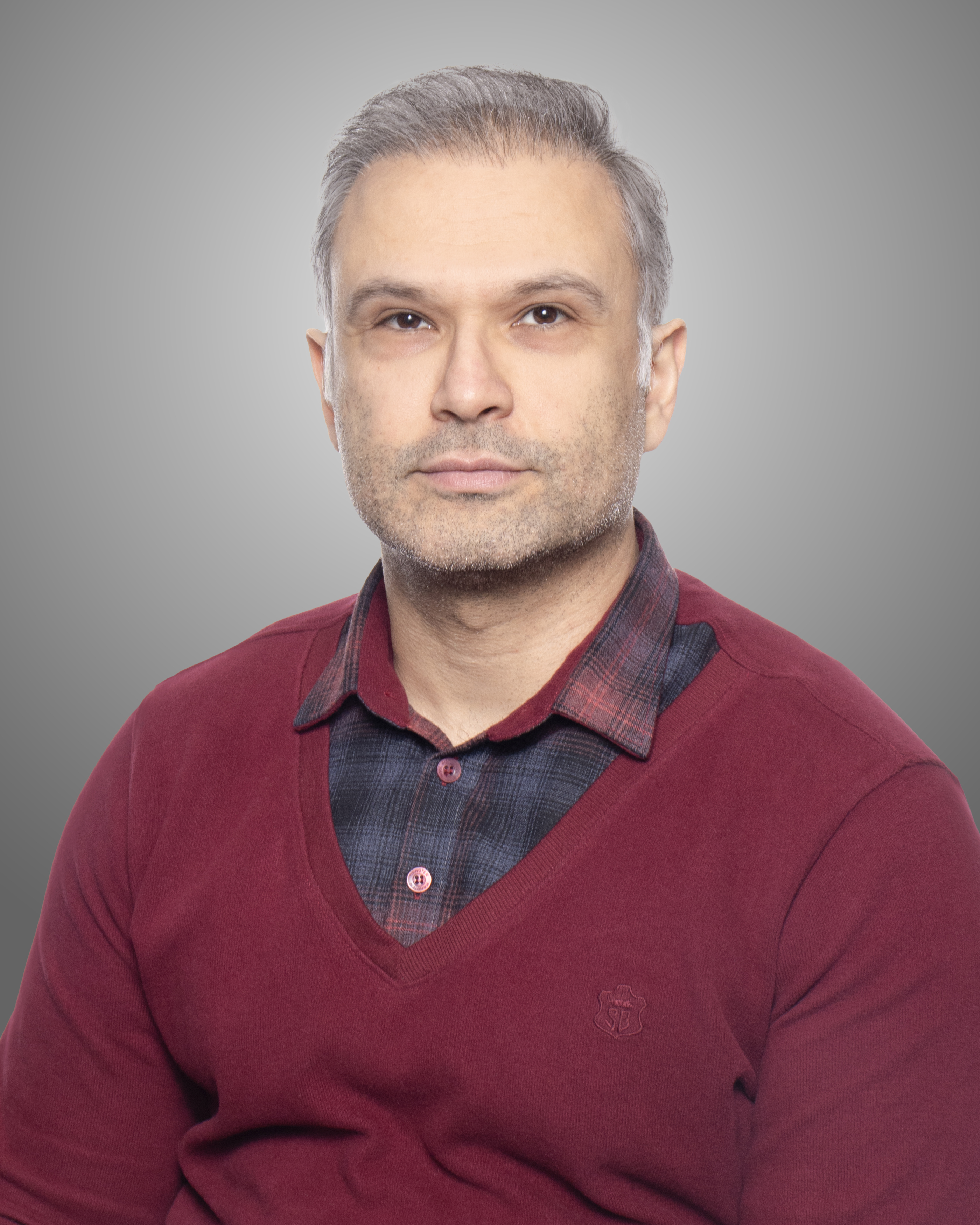
Dr. Jalal Khademi
PhD in Psychology, Depression, Anxiety & Panic Attacks

Lena Ebadi
Intensive Short-Term Dynamic Psychotherapy (ISTDP), Cognitive Behavioral Therapy (CBT), Individual Therapy (Adults)

Dr. Fatemeh Mesgarian
Analytic Psychotherapy, Individual Therapy (Adults), Individual Counseling

Dr. Farzad Rasoulof
Schema Therapy, Cognitive Behavioral Therapy (CBT), Acceptance and Commitment Therapy (ACT)
Other city guides: Stockholm, Gothenburg, Uppsala