🇳🇱 Amsterdam
Netherlands
A city where everything is planned except the homesickness
Amsterdam looks like an easy city to live in: English works everywhere, the city is small and made for bicycles, and people are direct and unfussy. That surface ease hides something, which is that getting into Dutch life properly takes years.
What you get with Emotral
We make the whole path easy, from finding the right therapist to your first session.
- No waiting listChoose your therapist and book an open slot right away.
- 15-minute intro sessionMeet your therapist before you start and see whether it feels right.
- 24/7 supportQuestions about booking, payment or a session? Our team is there.
- Persian-speaking therapistsSomeone who understands your language, culture and migration story.
- Student discountStudents pay less once their student status is verified.
- Simple and fully onlineBook, pay by card and meet over secure video, anywhere in Amsterdam.

Surface ease, and real distance
Amsterdam is one of very few European cities where you can live for years and almost never need Dutch. At the council office, at the hospital, at work, everybody speaks English and speaks it well. At the beginning that is a gift.
That same ease is a trap. Because nothing forces you to learn the language, years pass and you remain outside the real conversations. The joke at the lunch table, the half-finished remark between two colleagues, the moment the group slips back into Dutch because it is easier: in all of them you are one step behind.
The Dutch treat directness as politeness. If your work was not good, they say so. If they disagree with your proposal, they say so there and then. For somebody raised with taarof, that directness lands like a slap in the first months. Many people come to prefer it later, and getting to that point takes time.
Why reaching treatment in the Netherlands takes so long
The Dutch route to mental health care starts with the huisarts, the GP. They are the gatekeeper: without their referral you cannot reach a specialist psychotherapist. Many practices will first send you to the POH-GGZ, the practice mental health nurse, who works with you for a few short sessions.
If the problem is more serious, a referral to specialist GGZ is issued, and that is where the waiting starts. Waiting lists across GGZ services run to months, longer in the large cities. Now add the condition in Farsi, and you arrive at a search with no answer.
There is a financial point too. Specialist treatment is covered by the basic insurance but falls under the eigen risico, the annual deductible, which comes out of your own pocket at the start of the year.
The housing crisis, and an anxiety that does not end
Amsterdam's housing crisis is not an administrative matter, it is a daily psychological pressure. Private rents are punishing, the social housing waiting list runs to years, and many Iranians spend their first years in temporary rooms, short contracts and repeated moves.
When you do not know where you will be in six months, you cannot put down roots. You do not join anything, you do not know your neighbours, the flat does not become home. That instability is one of the strongest drivers of chronic anxiety among immigrants here, and it is frequently mistaken for a failure to adapt.
What Farsi-speaking newcomers in Amsterdam find hardest
Months-long GGZ waits, and no Farsi-speaking therapist inside the system
The housing crisis and unstable accommodation
Dutch directness against Iranian taarof
A culture of scheduling friends weeks ahead, and no spontaneous company
English being easy enough that learning Dutch keeps getting postponed
A high cost of living and constant financial pressure
Start without a referral, and without a waiting list
To begin with an Emotral therapist you need no huisarts referral and you join no waiting list. You can start this week.
More importantly, you do not have to begin by explaining what aberu means, or why you cannot tell your mother you are struggling. Our therapists speak Farsi and most of them have lived migration themselves.
Farsi-speaking therapists available to you
Every Emotral session is online, so these therapists — wherever in the world they live — are available to Iranians in Amsterdam, and you see the session time in your own local clock.

Dr. Farzaneh Abroshan
Acceptance and Commitment Therapy (ACT), Schema Therapy, Group Therapy

Dr. Mojgan Shariatpanahi
Individual Therapy (Adults), Family Therapy, Couples Therapy
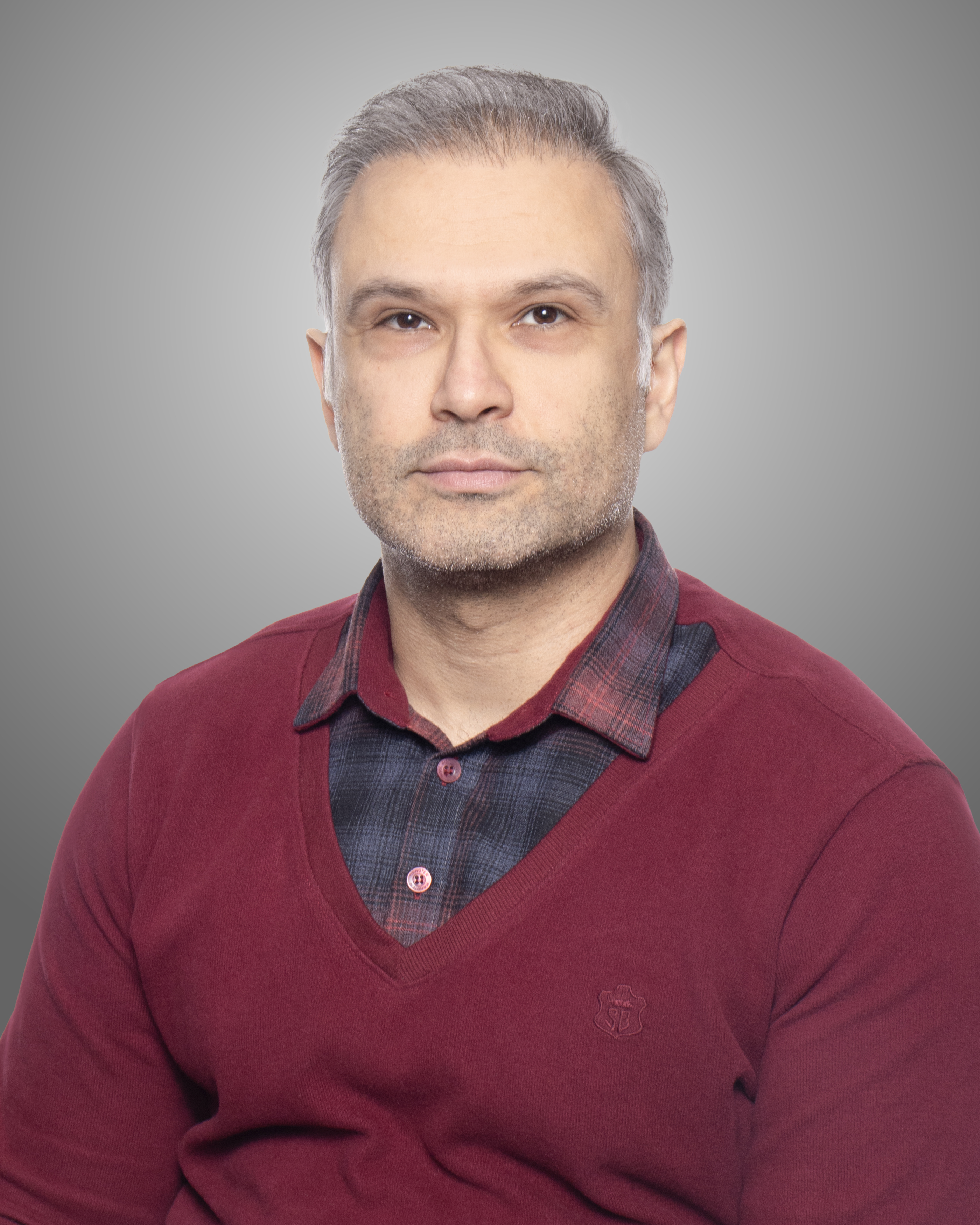
Dr. Jalal Khademi
PhD in Psychology, Depression, Anxiety & Panic Attacks

Lena Ebadi
Intensive Short-Term Dynamic Psychotherapy (ISTDP), Cognitive Behavioral Therapy (CBT), Individual Therapy (Adults)

Dr. Fatemeh Mesgarian
Analytic Psychotherapy, Individual Therapy (Adults), Individual Counseling

Dr. Farzad Rasoulof
Schema Therapy, Cognitive Behavioral Therapy (CBT), Acceptance and Commitment Therapy (ACT)