
🇺🇸 San Francisco
United States
The capital of technology, where your mind is your greatest asset and your heaviest load
For many Iranians, San Francisco and the Bay Area are the American dream in its literal form: success, innovation, wealth. That same technological paradise can also be the heaviest psychological cage.
What you get with Emotral
We make the whole path easy, from finding the right therapist to your first session.
- No waiting listChoose your therapist and book an open slot right away.
- 15-minute intro sessionMeet your therapist before you start and see whether it feels right.
- 24/7 supportQuestions about booking, payment or a session? Our team is there.
- Persian-speaking therapistsSomeone who understands your language, culture and migration story.
- Student discountStudents pay less once their student status is verified.
- Simple and fully onlineBook, pay by card and meet over secure video, anywhere in San Francisco.

Silicon Valley: where ambitious Iranians go
The Iranian community in the Bay Area differs from those elsewhere in America. Most work in technology, engineering, the sciences or entrepreneurship. Iranians are well represented at Google, Apple, Meta and Nvidia, in unicorn startups, and in the research environments around Stanford and Berkeley. It is a well-paid community with very little spare time.
The suburbs are where Bay Area Iranian families actually live: Palo Alto, Mountain View, Cupertino, San Jose, Fremont. Those wealthy suburbs, with strong schools and low crime, became the natural choice for Iranian engineering and academic families. They also frequently lack the living sense of community you find in a city like Los Angeles.
Stanford and Berkeley have drawn thousands of Iranian students across decades, and that student and academic population sustains a lively intellectual environment. For anyone outside academia, finding community in the Bay Area is harder work. The Iranian community here is scattered across small professional groups rather than gathered into neighbourhoods.
When there is money but not a life
The cost of living in the Bay Area is without parallel. An average house in Palo Alto can be three million dollars; a two-bedroom rental four thousand a month. Which means that even on very high technology salaries, two to five hundred thousand a year for senior engineers, the felt financial position stays tight. That contradiction between a high income and a sense of financial pressure is one of the psychological peculiarities of this place.
Silicon Valley's work culture is the region's strength and its weakness. Sixty to eighty hour weeks are ordinary. The hustle, working around the clock for the company's growth, has become a cultural value. That work civilisation is attractive to ambitious young Iranians, and over time the burnout becomes serious. Hidden depression, performance anxiety, and the feeling that it is never enough are not unusual in this industry.
Layoffs, particularly through the technology downturns, are a permanent feature. An industry that hires in bulk one month can release thousands the next. That instability, combined with the H-1B visa many working Iranians hold being tied to that exact job, produces a chronic existential anxiety that even the most successful engineers are not exempt from.
Brain drain: an identity formed behind the scenes
Many Bay Area Iranians arrived along the brain-drain route: top Iranian universities, admission to an American graduate programme, a job in Silicon Valley. That chosen path often carries a deep guilt towards Iran. I was educated with the taxes of the Iranian people and now I work for an American company. Even where the logic does not hold, the feeling is real and heavy.
Loneliness in the Bay Area has a specific quality. In an industry where networking is everything, at parties where everyone is looking for the next investment or the next role, genuine relationships are rare and short. Iranians who came from a culture of long gatherings and deep friendship frequently feel a real psychological isolation inside this instrumental environment.
The second generation here grows up in extremely competitive settings: high-pressure schools, intense academic expectation, MIT-or-Stanford-or-nothing from their parents. That inherited perfectionism carries a real cost. Performance anxiety, hidden depression, and outright identity crises are common among the successful children of Bay Area Iranians.
What Farsi-speaking newcomers in San Francisco find hardest
An extraordinary cost of living, even on a large salary
Always-on work culture and technology-industry burnout
Job insecurity, and visa status tied to the job: H-1B, green card queues
Brain-drain guilt towards Iran
Psychological loneliness inside a busy but shallow network
Competitive pressure on second-generation children
Summer fog and cool weather that affects mood
An Iranian community spread thin across distant suburbs
A Farsi-speaking therapist for Iranians in Silicon Valley
Therapists are easy to reach in the Bay Area, and usually expensive, 250 to 500 dollars a session, and heavily booked. An online Farsi-speaking therapist is not only more reasonably priced; for a Bay Area engineer whose time is the scarce resource, the scheduling flexibility matters as much. A session between two meetings, at lunch, or from home at the weekend.
Silicon Valley culture has recently learned to talk about mental health, and for Iranians the subject still carries a cultural weight. A therapist who understands both the technology environment and the specific pressures on Iranian immigrants can help you find the gap between the successful engineer and the tired person, name it, and work on it without judgement.
Farsi-speaking therapists available to you
Every Emotral session is online, so these therapists — wherever in the world they live — are available to Iranians in San Francisco, and you see the session time in your own local clock.

Dr. Farzaneh Abroshan
Acceptance and Commitment Therapy (ACT), Schema Therapy, Group Therapy

Dr. Mojgan Shariatpanahi
Individual Therapy (Adults), Family Therapy, Couples Therapy
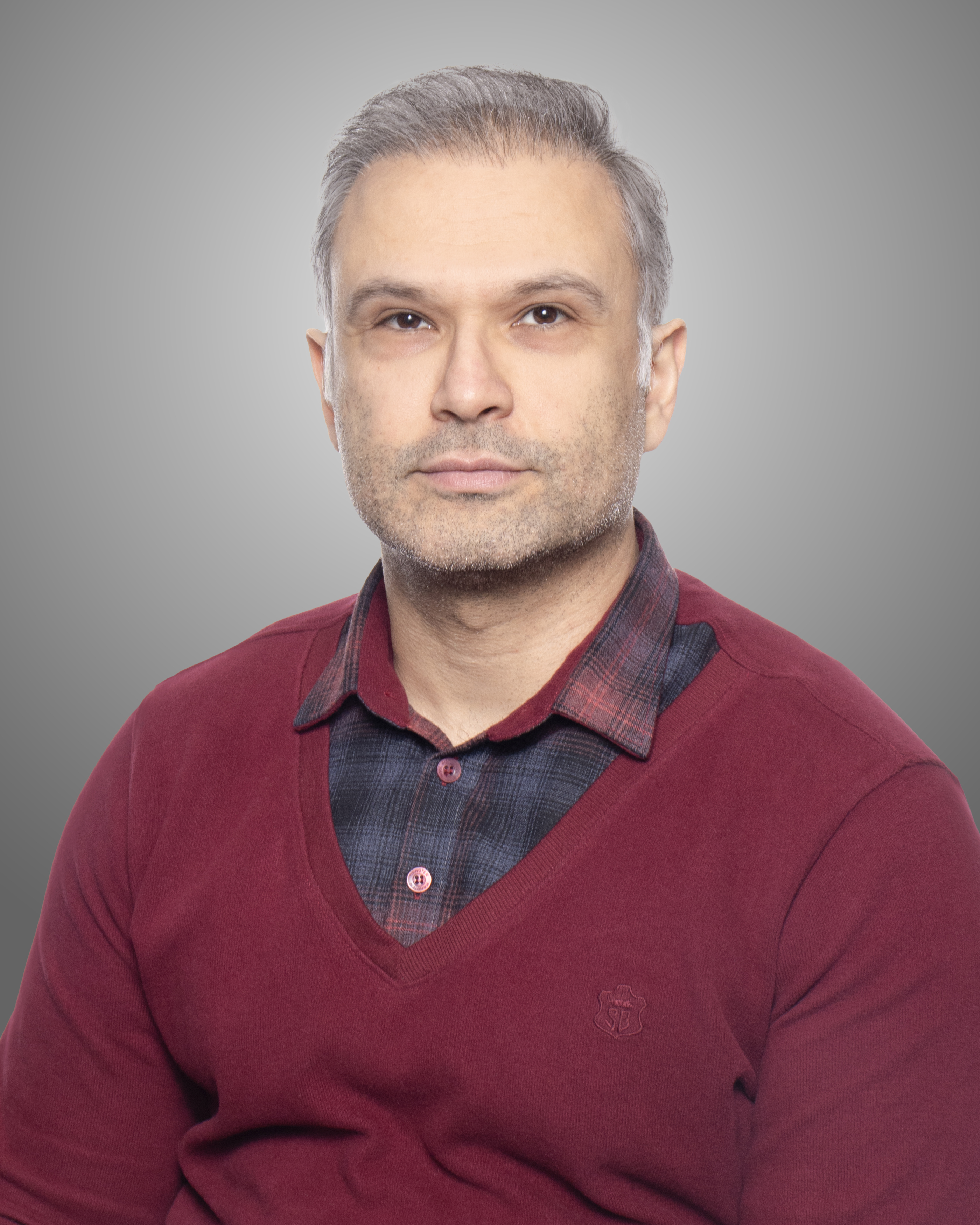
Dr. Jalal Khademi
PhD in Psychology, Depression, Anxiety & Panic Attacks

Lena Ebadi
Intensive Short-Term Dynamic Psychotherapy (ISTDP), Cognitive Behavioral Therapy (CBT), Individual Therapy (Adults)

Dr. Fatemeh Mesgarian
Analytic Psychotherapy, Individual Therapy (Adults), Individual Counseling

Dr. Farzad Rasoulof
Schema Therapy, Cognitive Behavioral Therapy (CBT), Acceptance and Commitment Therapy (ACT)
Other city guides: Los Angeles, New York, Washington, DC