🇨🇭 Lausanne
Switzerland
A city to begin in, and the question that arrives at the end
Lausanne is a university city. Many Iranians here came to study, in a French-speaking and quiet environment beside the lake. The first years are full of academic pressure and the last one is full of a larger question: do I stay or do I go back?
What you get with Emotral
We make the whole path easy, from finding the right therapist to your first session.
- No waiting listChoose your therapist and book an open slot right away.
- 15-minute intro sessionMeet your therapist before you start and see whether it feels right.
- 24/7 supportQuestions about booking, payment or a session? Our team is there.
- Persian-speaking therapistsSomeone who understands your language, culture and migration story.
- Student discountStudents pay less once their student status is verified.
- Simple and fully onlineBook, pay by card and meet over secure video, anywhere in Lausanne.

The first years, and a pressure nobody sees
Coming to Lausanne to study is usually a significant achievement: admission to a respected university, a scholarship, a clear path. That achievement builds an expectation of its own: you should be grateful, you should do well, you should prove it was worth it.
In that position, exam anxiety, money worry and missing your family get filed under it is normal, I am a student. Many people have their first panic attack or depressive episode in exactly these years, and because they have no name for it they attribute it to poor sleep or the exam period.
The final-year question: stay or return
Near the end of a degree a question arrives that weighs more than the thesis. Staying means job-hunting, a residency permit, and building a life somewhere that is not fully home yet. Returning means facing what you left.
That decision is usually made alone, because everyone you could ask has a stake in the answer: your family in Iran would like you back, your friends here would like you to stay. Having one neutral space to think in is itself a considerable help.
Treatment in Vaud, and the language question
The system is the Swiss one: a doctor's prescription, basic insurance coverage, your chosen franchise and a ten per cent personal share. Students usually hold a high-franchise policy to keep the monthly premium down, which means the first sessions are entirely their own cost.
University counselling exists, in French or English and with a limited number of sessions. A Farsi-speaking therapist is effectively unavailable in this region.
What Farsi-speaking newcomers in Lausanne find hardest
Academic pressure, and the expectation of proving it was worth it
Student finances against a high insurance franchise
The stay-or-return decision at the end of a degree
Learning French alongside the coursework
Distance from family at an age when you still need support
No Farsi-speaking therapist available in the region
A neutral space for the large decisions
A Farsi-speaking therapist is neither your family nor your university friend, and therefore has no stake in what you decide. For the stay-or-return question, that neutrality is worth a great deal.
Sessions are online, in Farsi, and there is a separate lower price for students.
Farsi-speaking therapists available to you
Every Emotral session is online, so these therapists — wherever in the world they live — are available to Iranians in Lausanne, and you see the session time in your own local clock.

Dr. Farzaneh Abroshan
Acceptance and Commitment Therapy (ACT), Schema Therapy, Group Therapy

Dr. Mojgan Shariatpanahi
Individual Therapy (Adults), Family Therapy, Couples Therapy
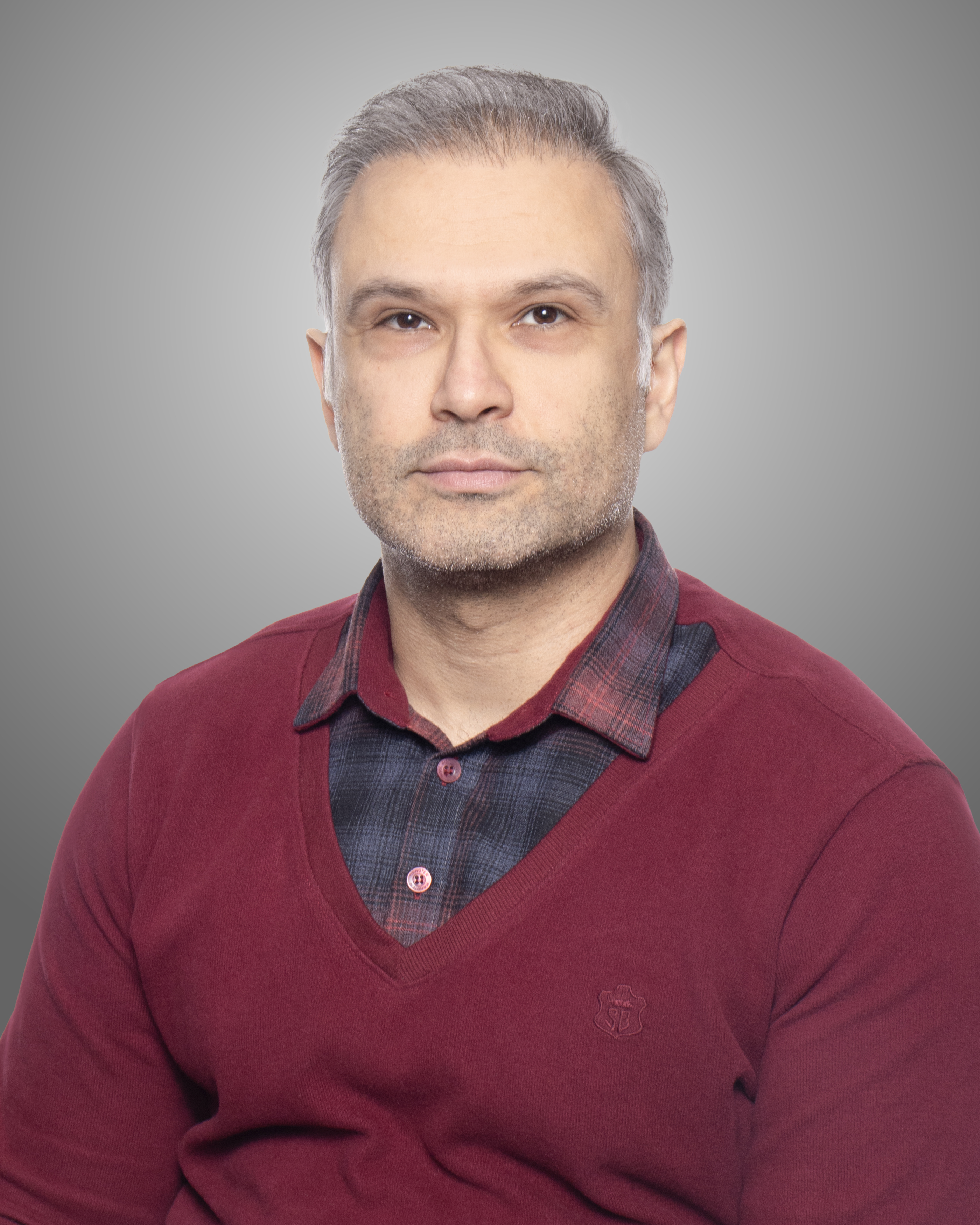
Dr. Jalal Khademi
PhD in Psychology, Depression, Anxiety & Panic Attacks

Lena Ebadi
Intensive Short-Term Dynamic Psychotherapy (ISTDP), Cognitive Behavioral Therapy (CBT), Individual Therapy (Adults)

Dr. Fatemeh Mesgarian
Analytic Psychotherapy, Individual Therapy (Adults), Individual Counseling

Dr. Farzad Rasoulof
Schema Therapy, Cognitive Behavioral Therapy (CBT), Acceptance and Commitment Therapy (ACT)