🇦🇹 Vienna
Austria
The city of Mozart and of immigrants, where history sits heavily
Vienna is always near the top of the world's most liveable city rankings. For somebody who is alone and not understood, those historic cafes and that magnificent opera house are sometimes only beautiful scenery.
What you get with Emotral
We make the whole path easy, from finding the right therapist to your first session.
- No waiting listChoose your therapist and book an open slot right away.
- 15-minute intro sessionMeet your therapist before you start and see whether it feels right.
- 24/7 supportQuestions about booking, payment or a session? Our team is there.
- Persian-speaking therapistsSomeone who understands your language, culture and migration story.
- Student discountStudents pay less once their student status is verified.
- Simple and fully onlineBook, pay by card and meet over secure video, anywhere in Vienna.
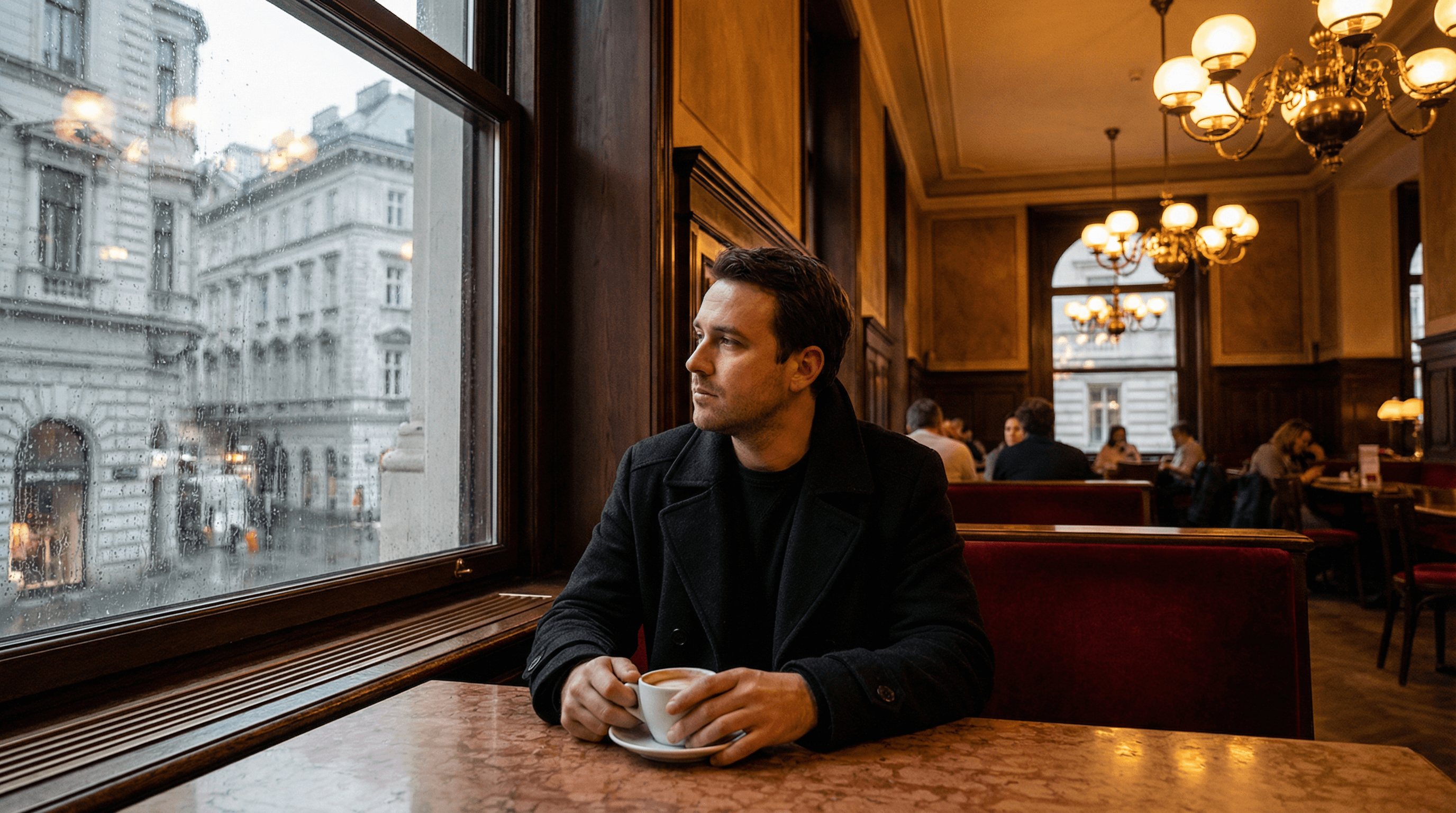
Vienna: beautiful, and cool with it
The Iranian community in Vienna has deep roots. Austria has had diplomatic and cultural ties with Iran across a long history, and that connection is still perceptible in the city. Iranians in Vienna are active in medicine, in academia and in business. The community is smaller than London's or Stockholm's, and partly for that reason it is sometimes closer and warmer.
Vienna's beauty is of a very particular kind: palaces, museums, hundred-year-old cafes. The city is proud of its traditions, and that pride sometimes means resistance to change. For an Iranian immigrant who also comes from an ancient civilisation, that pride can be common ground and it can be a wall you cannot make yourself heard through.
Austrians are warm, but their warmth takes time. Gemütlichkeit, the cosy ease you feel in the cafes and at festivals, looks lovely from outside and is hard to get inside of. Your neighbour may take a few years to learn your name. That initial coolness should not be mistaken for hostility, though understanding it is not much easier.
Austria is not Germany, and not Switzerland
Austria is often seen in Germany's shadow, and it differs from it in important cultural and administrative ways. Austrian bureaucracy has its own reputation. Without being registered in Vienna, working, renting a flat, even opening a bank account can become significant expeditions. The Meldezettel, the address registration, is the first step, and only the first.
Austrian politics has shifted rightwards in recent years, and that has changed the public atmosphere around immigrants. It is not something you can simply ignore. Periodic news about stricter immigration policy can produce a sense of insecurity, even in people who have lived here for years.
Austrian health insurance, the Krankenversicherung, provides good coverage inside a complicated system. Which specialist you can see, what you pay, which documents you need: each is a question that takes time and energy to answer. When your German is not yet strong enough, that complexity multiplies.
Being Iranian in the middle of Europe
Iranian students at Vienna's universities, TU Wien, the University of Vienna, MedUni, are among the largest groups of international students. That student population has created an infrastructure of solidarity and networking. Student life does not last forever, and after graduation the larger questions arrive: do I stay, where do I work, do I become Austrian?
Working in German inside an Austrian environment has its own difficulty. The Austrian dialect differs from standard German: colloquialisms, local expressions, jokes you do not catch. The feeling of sharing a language but not quite can be more tiring than not understanding at all.
Homesickness in Vienna has a particular colour. Walking through one of the most beautiful cities in the world without your roots in it, with the cafes and the museums but not the family room that smelled of saffron, you understand that home is something other than a geography.
What Farsi-speaking newcomers in Vienna find hardest
Austrian bureaucracy: the Meldezettel, insurance, visas
Learning German in the Austrian dialect
A political climate that has grown cooler towards immigrants
Austrian reserve, and how hard first connection is
A high cost of living in Vienna
A difficult job market for immigrants
The transition from student life to an independent working life
Homesickness and migration grief in a beautiful but cool city
A Farsi-speaking therapist in the middle of Europe
Vienna is one of the world's important centres of psychotherapy; the tradition of Freud and Adler continues here. Even in a city with this many therapists, finding one who speaks Farsi and knows the Iranian immigrant world remains rare. A Farsi-speaking therapist not only understands your language, they know what aberudari is, how family pressure from Iran actually feels, and what cultural weight an Iranian student in Vienna is carrying.
Sometimes you need somebody you can speak complete Farsi with: all the nuance, the proverbs, the colours of your first language. The mother tongue is part of the treatment, because our deepest feelings are usually only expressible in the language we first felt them in. We are here to share that language with you.
Farsi-speaking therapists available to you
Every Emotral session is online, so these therapists — wherever in the world they live — are available to Iranians in Vienna, and you see the session time in your own local clock.

Dr. Farzaneh Abroshan
Acceptance and Commitment Therapy (ACT), Schema Therapy, Group Therapy

Dr. Mojgan Shariatpanahi
Individual Therapy (Adults), Family Therapy, Couples Therapy
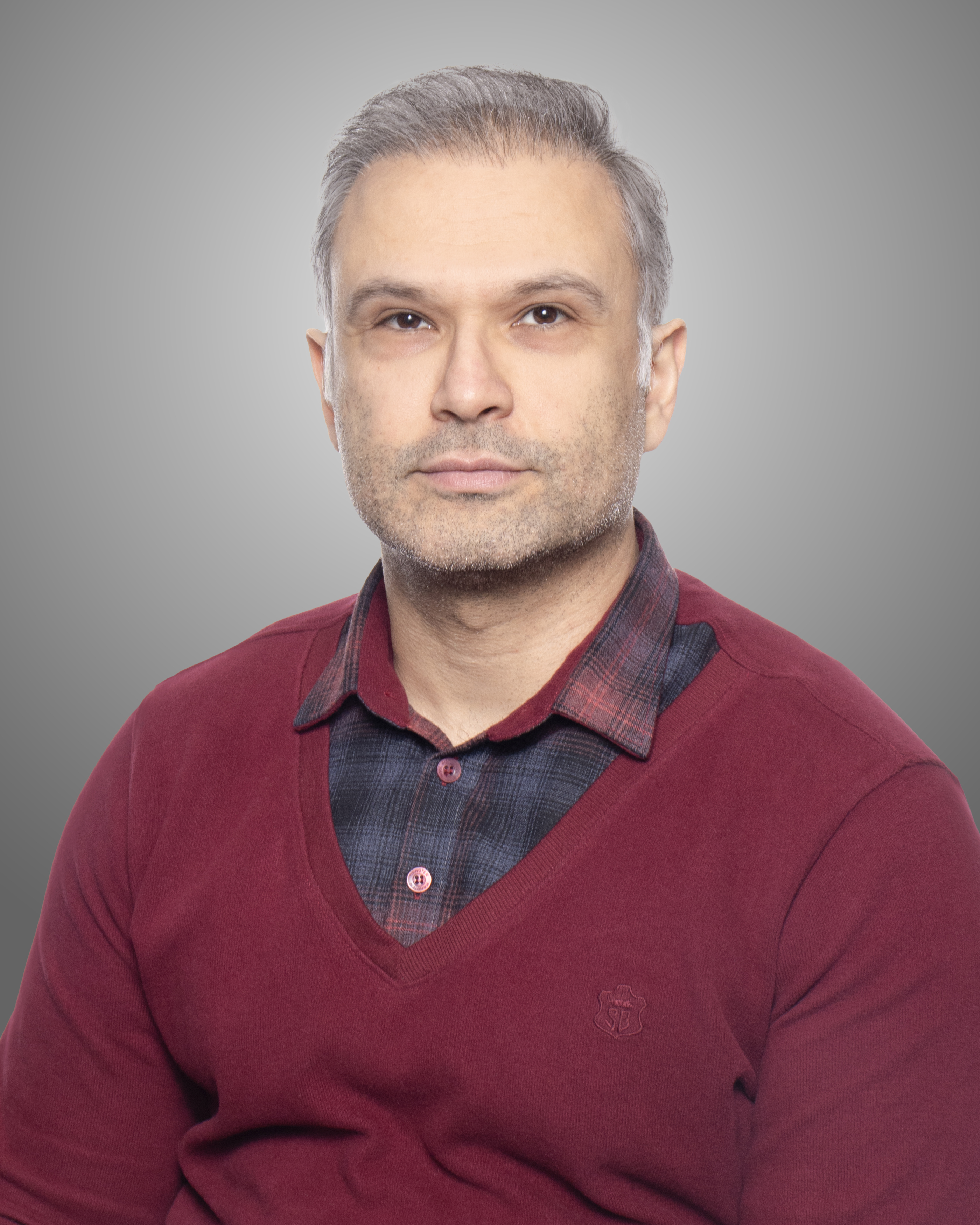
Dr. Jalal Khademi
PhD in Psychology, Depression, Anxiety & Panic Attacks

Lena Ebadi
Intensive Short-Term Dynamic Psychotherapy (ISTDP), Cognitive Behavioral Therapy (CBT), Individual Therapy (Adults)

Dr. Fatemeh Mesgarian
Analytic Psychotherapy, Individual Therapy (Adults), Individual Counseling

Dr. Farzad Rasoulof
Schema Therapy, Cognitive Behavioral Therapy (CBT), Acceptance and Commitment Therapy (ACT)