🇬🇧 London
United Kingdom
Europe's largest Iranian community, and some of its deepest loneliness
London is home to the largest Iranian community in Europe. A large community does not automatically mean less loneliness: sometimes the busiest city in the world is where a person feels most alone.
What you get with Emotral
We make the whole path easy, from finding the right therapist to your first session.
- No waiting listChoose your therapist and book an open slot right away.
- 15-minute intro sessionMeet your therapist before you start and see whether it feels right.
- 24/7 supportQuestions about booking, payment or a session? Our team is there.
- Persian-speaking therapistsSomeone who understands your language, culture and migration story.
- Student discountStudents pay less once their student status is verified.
- Simple and fully onlineBook, pay by card and meet over secure video, anywhere in London.

London: city of possibility, or city of loneliness?
London is one of the few cities where the Iranian community has genuinely put down roots. Kensington, Hammersmith and Acton are not foreign ground. BBC Persian broadcasts from here, Iranian artists and writers have gathered in this city for decades, and the Iranian restaurants are the real thing. On paper, London should be one of the easiest cities in the world for an Iranian immigrant.
The reality is that no community, however large, is a substitute for a few real relationships. A thousand Iranians can live in your city and if you truly know none of them, the loneliness is worse than before, not better. London is a city where everybody is busy and everybody is in motion, and getting beneath the surface of the place and its people is not a matter of weeks.
We often arrive expecting it to be easier here. We speak English. We know Western culture from books and television. But there is a long distance between knowing a language and belonging to a culture. The moment you realise London sees you as Iranian rather than simply as a person is one of the heavier moments of migration.
What the travel writing about London leaves out
The cost of living in London is among the highest in the world, and it is not something to wave away. Renting a single room can take more than a month's salary. Many Iranians in London work two jobs, work weekends, and live below what they have earned, simply to stay in the city. That constant financial pressure casts a shadow over everything else.
English people are polite, extremely polite, and that politeness is often a wall rather than a bridge. "How are you? Fine, thanks" is a ritual, not a conversation. The NHS has long waits for mental health support, sometimes eighteen months or more, and loneliness can grow very deep in that time. The loneliness epidemic here is serious enough that the British government appointed a minister for it.
London's housing crisis reaches the mind as well as the wallet. When you have to move every year or two, when nowhere can be called home, when your landlord can raise the rent whenever they choose, the sense of stability and safety erodes. Housing insecurity is one of the largest sources of stress for Iranians in London.
Being Iranian in Britain
Since Brexit, being Iranian in Britain carries an extra layer of complication. A society that once felt softer towards immigrants can now feel colder. Visas, residency, passports: these are worries that eat quietly into your peace of mind. When you do not know whether you will still be allowed to be here next year, building a life becomes much harder.
Second-generation Iranians in London, the ones born here or brought here very young, live with an identity that can confuse them. Not fully Iranian, not fully English. Your family holds Iranian expectations; the society around you points down a Western path. That space between two identities can be freeing and it can be a weight, sometimes on the same day.
Guilt towards the family who stayed in Iran is one of the least discussed parts of Iranian life in London. You are eating dinner in a restaurant in Kensington and you know your sister is dealing with the daily grind in Tehran, and a shadow falls across your own happiness. That guilt is real, and it needs somewhere to be worked through.
What Farsi-speaking newcomers in London find hardest
A very high cost of living, and the housing crisis
NHS waiting lists for mental health support, often 18 months or more
English politeness that keeps real connection at a distance
London's loneliness epidemic
Visa and residency worries after Brexit
Working long hours simply to cover the cost of staying
Guilt towards the family who remained in Iran
Identity questions for the second generation
Why you need a Farsi-speaking therapist
London is full of therapists. What is rare is one who understands what aberu means in Iranian culture. One who, when you describe your guilt towards your family, does not immediately file it as an unhealthy pattern but stays with you in its complexity. One who recognises migration grief: the slow loss of your mother tongue, the foods, the smells, the sense of belonging that erodes quietly over years abroad.
Many Iranians in London wait years before looking for psychological help, because of the same culture that treats showing weakness as forbidden. A Farsi-speaking therapist knows that walking into the room at all was the brave part, not the weak one. They can help you be Iranian and put down roots in London at the same time, without having to sacrifice one for the other.
Farsi-speaking therapists available to you
Every Emotral session is online, so these therapists — wherever in the world they live — are available to Iranians in London, and you see the session time in your own local clock.

Dr. Farzaneh Abroshan
Acceptance and Commitment Therapy (ACT), Schema Therapy, Group Therapy

Dr. Mojgan Shariatpanahi
Individual Therapy (Adults), Family Therapy, Couples Therapy
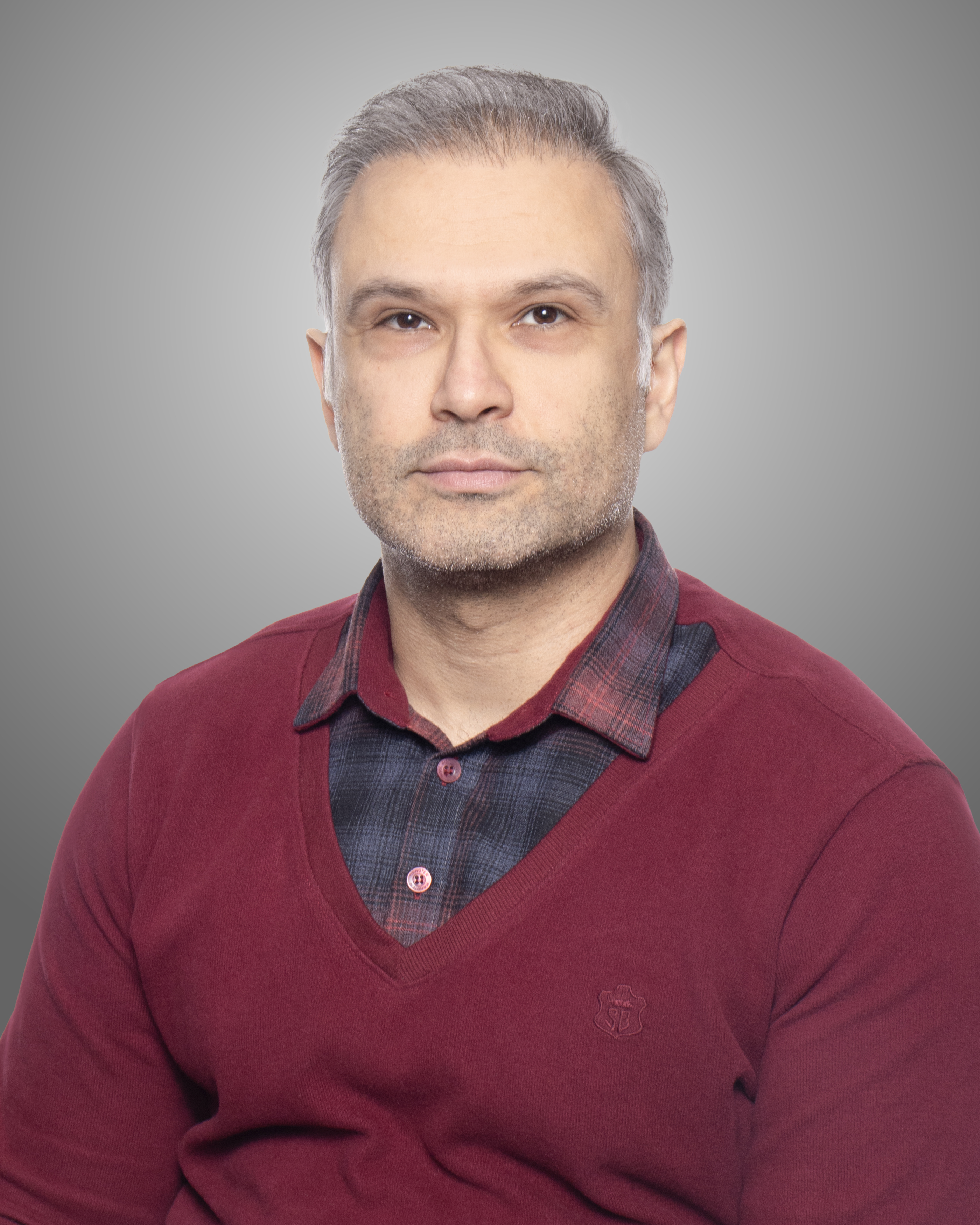
Dr. Jalal Khademi
PhD in Psychology, Depression, Anxiety & Panic Attacks

Lena Ebadi
Intensive Short-Term Dynamic Psychotherapy (ISTDP), Cognitive Behavioral Therapy (CBT), Individual Therapy (Adults)

Dr. Fatemeh Mesgarian
Analytic Psychotherapy, Individual Therapy (Adults), Individual Counseling

Dr. Farzad Rasoulof
Schema Therapy, Cognitive Behavioral Therapy (CBT), Acceptance and Commitment Therapy (ACT)