🇮🇹 Rome
Italy
The Eternal City, where time passes slowly and migration ages you quickly
Rome carries three thousand years of living history. For Iranians the city is familiar and foreign at once: a warm Mediterranean culture with something of Iranian warmth in it, and a daily Italian life that runs on its own logic entirely.
What you get with Emotral
We make the whole path easy, from finding the right therapist to your first session.
- No waiting listChoose your therapist and book an open slot right away.
- 15-minute intro sessionMeet your therapist before you start and see whether it feels right.
- 24/7 supportQuestions about booking, payment or a session? Our team is there.
- Persian-speaking therapistsSomeone who understands your language, culture and migration story.
- Student discountStudents pay less once their student status is verified.
- Simple and fully onlineBook, pay by card and meet over secure video, anywhere in Rome.
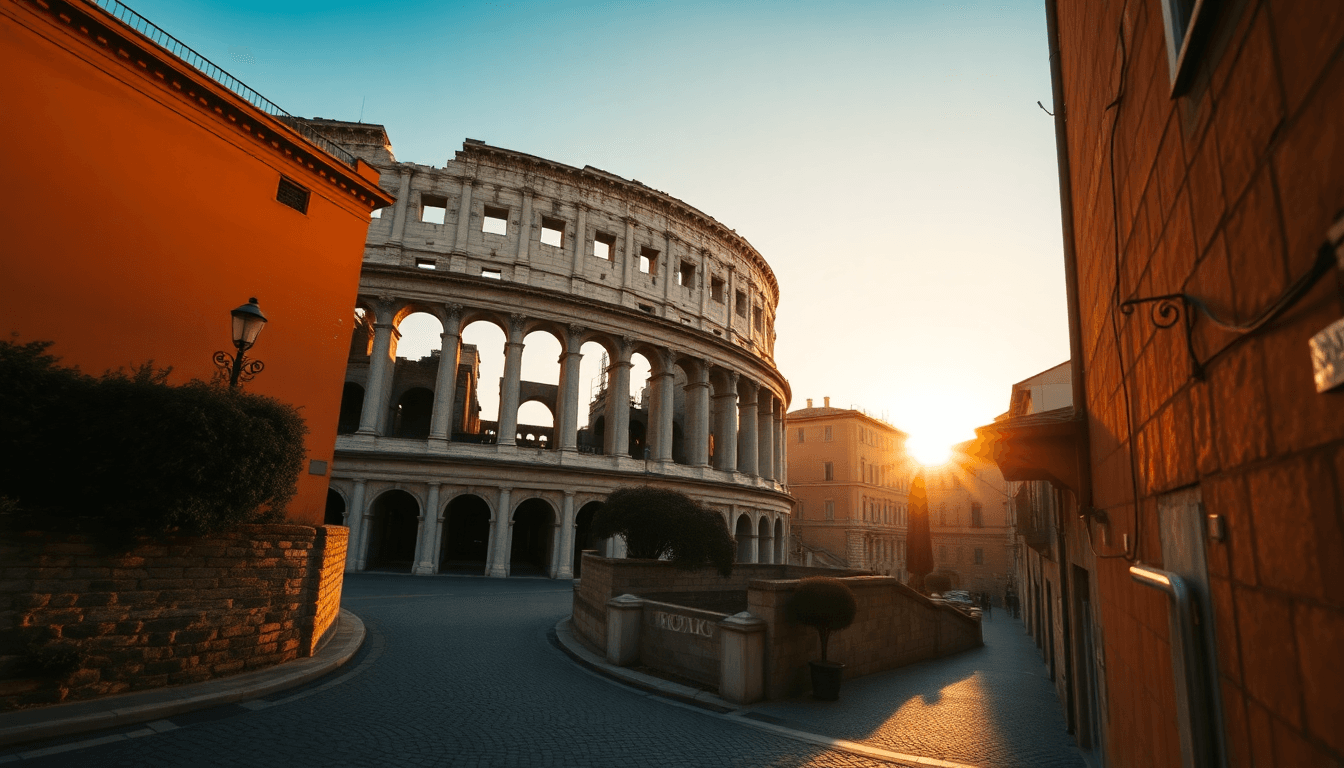
Rome: where feeling good is a foundation, not a luxury
The Iranian community in Italy is smaller than those in France or Germany, and it has a meaningful presence. Rome, Milan, Florence and Turin are the main cities for Iranian immigrants, who tend to work in academia, design, fashion, tourism and restaurants, the fields Italy leads in.
La dolce vita is not a myth. Italians know how to make a coffee last five minutes, a dinner last three hours, and a conversation with a neighbour turn into a lifelong relationship. That rhythm is often familiar to Iranians; we were also raised with taarof, with hospitality, with giving relationships time. That cultural resemblance makes Rome feel less foreign than Berlin or Stockholm.
The resemblance carries its own risk. When a culture feels similar to yours, the underlying differences arrive more suddenly and land harder. Italian family logic, Italian working relationships, and especially the Italian view of immigrants differ from Iran in ways that only become visible with time.
When nothing works on schedule
Italian bureaucracy has a global reputation and it is not undeserved. The codice fiscale, opening a bank account, the permesso di soggiorno, registering a business: each can take months and involve repeated visits to government offices. That administrative erosion puts real pressure on a person.
The Italian economy has been difficult in recent years. High youth unemployment, comparatively low salaries, and a complicated welfare system. An Iranian immigrant who arrived hoping for a good life often meets realities the travel writing about Rome leaves out: high rents in Rome and Milan, precarious work, and wages that do not comfortably cover a life.
Italian is a language that takes serious effort. Latin roots and words shared with English and French make it slightly easier, and reaching a level where you can take part in a deep emotional conversation still takes years. In government offices and public services, meanwhile, English will get you very little.
An immigrant in the Eternal City
Italy has had a complicated political atmosphere around immigration in recent years. While ordinary society is frequently warm and kind, the political and media environment can be negative. That contradiction between the friendly neighbour and the worrying national narrative carries its own psychological weight.
The Catholic role in Italian culture is present everywhere, including for people who are not themselves religious. The calendar of holidays, national celebrations, even the underlying social logic all carry a Catholic colour. For Iranians coming from a culture where religion occupies a different position, that layer can be genuinely unfamiliar even when it appears familiar.
Iranian homesickness in Rome has a particular flavour. In a city whose beauty takes your breath away daily, in a cafe with an excellent espresso, you are suddenly thinking about your mother's brewed tea. That contrast between the beauty around you and the emptiness inside can hurt more than homesickness in an ordinary place.
What Farsi-speaking newcomers in Rome find hardest
Slow and complicated Italian bureaucracy
Learning Italian as a daily necessity
A limited job market and low wages
A complicated political climate around immigration
High rents in Rome and the larger cities
The pervasive Catholic role in everyday culture
A small and dispersed Iranian community
Homesickness in a city whose beauty is undeniable
A Farsi-speaking therapist in the Eternal City
Italy is one of the few European countries where finding a Farsi-speaking therapist in person is genuinely hard: a smaller community, a limited professional network. An online Farsi-speaking therapist fills exactly that gap. From Rome to Milan, from Florence to Naples, you can reach somebody who understands your language and knows the particular challenges of living in Italy.
Therapy in Farsi matters especially for Iranians here, because Italian culture, for all its resemblance to Iranian culture, differs psychologically in important ways. A therapist who understands those differences from inside Iranian culture can work with you without carrying incorrect cultural assumptions into the room. That understanding is one of the more fundamental tools of successful treatment.
Farsi-speaking therapists available to you
Every Emotral session is online, so these therapists — wherever in the world they live — are available to Iranians in Rome, and you see the session time in your own local clock.

Dr. Farzaneh Abroshan
Acceptance and Commitment Therapy (ACT), Schema Therapy, Group Therapy

Dr. Mojgan Shariatpanahi
Individual Therapy (Adults), Family Therapy, Couples Therapy
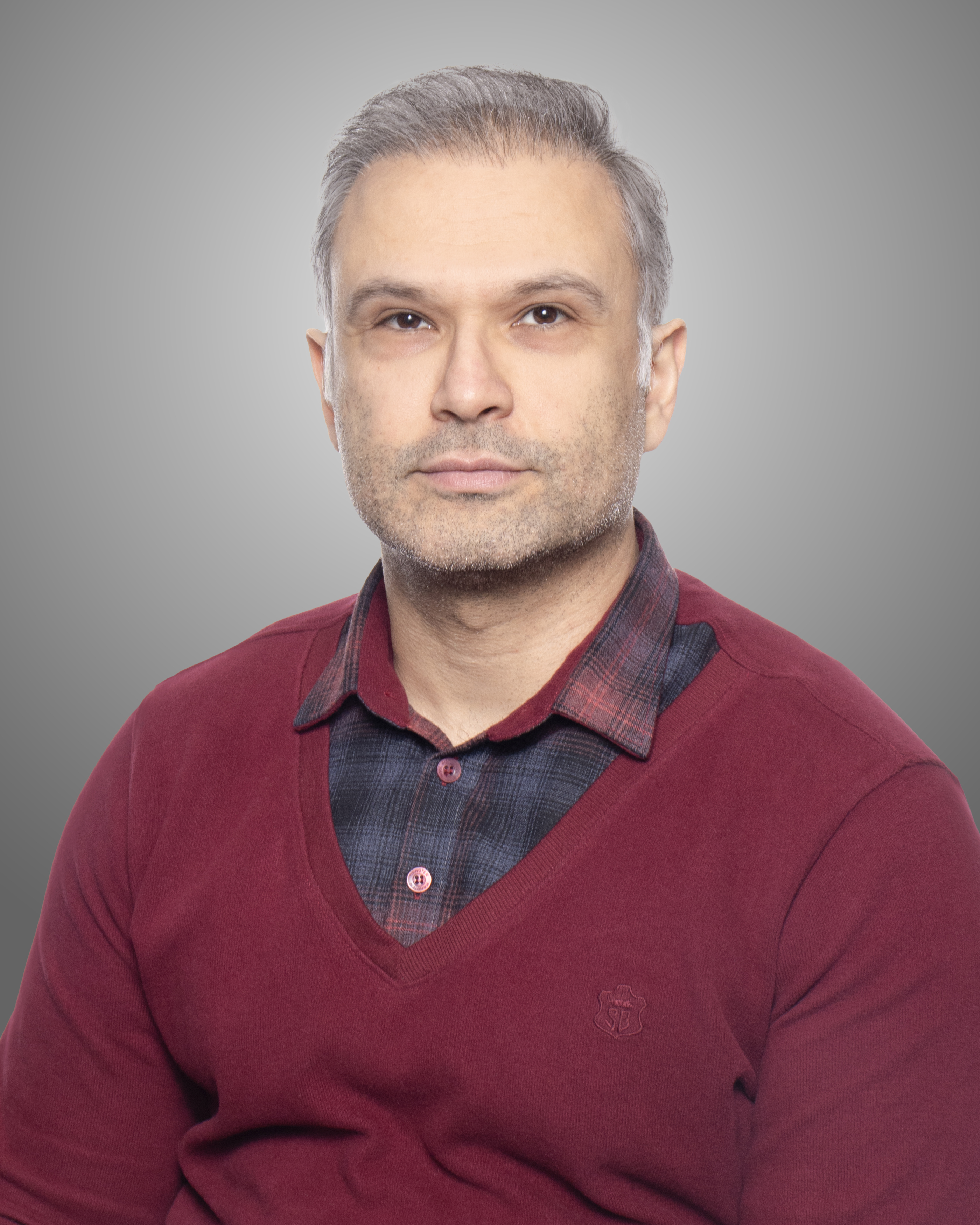
Dr. Jalal Khademi
PhD in Psychology, Depression, Anxiety & Panic Attacks

Lena Ebadi
Intensive Short-Term Dynamic Psychotherapy (ISTDP), Cognitive Behavioral Therapy (CBT), Individual Therapy (Adults)

Dr. Fatemeh Mesgarian
Analytic Psychotherapy, Individual Therapy (Adults), Individual Counseling

Dr. Farzad Rasoulof
Schema Therapy, Cognitive Behavioral Therapy (CBT), Acceptance and Commitment Therapy (ACT)