🇺🇸 Washington, DC
United States
The capital of politics, where no conversation has only one layer
Washington's Iranians tend to work in policy, academia or civil society. Here, what do you do is never quite a simple question.
What you get with Emotral
We make the whole path easy, from finding the right therapist to your first session.
- No waiting listChoose your therapist and book an open slot right away.
- 15-minute intro sessionMeet your therapist before you start and see whether it feels right.
- 24/7 supportQuestions about booking, payment or a session? Our team is there.
- Persian-speaking therapistsSomeone who understands your language, culture and migration story.
- Student discountStudents pay less once their student status is verified.
- Simple and fully onlineBook, pay by card and meet over secure video, anywhere in Washington, DC.

DC: a city where politics is the air
The Iranian community in Washington differs from those in other American cities. Less commercial, more academic and political. Professors at Georgetown, Johns Hopkins, George Washington and GMU; staff at the State Department and international organisations; researchers at Brookings and Carnegie; people working at civic organisations like NIAC and PAAIA. That concentration of Iranian-American institutions is unique to DC.
Most Iranians in DC do not actually live in DC but in the Northern Virginia suburbs: Tysons, McLean, Falls Church, Vienna, Fairfax. Those areas, with their quality of life, strong schools and dense Iranian community, have become the natural choice for Iranian-American families. Maryland, especially Bethesda and Rockville, has a substantial community too.
DC is a city of people passing through. Many come for a few years for a government post, a degree, or a research project, and then leave. That constant turnover means relationships form quickly and break just as quickly. Building long friendships in DC takes deliberate effort.
When your identity becomes political
Being Iranian in DC means being political whether you chose it or not. At a work party, in a job interview, in conversation with a neighbour: the moment people learn you are Iranian, questions arrive about the nuclear deal, sanctions, negotiations, Iranian domestic politics. The pressure of representing Iran when you only wanted to be an ordinary resident is exhausting.
Iranians working in sensitive fields, State, the intelligence community, the Pentagon, cleared think-tank work, carry another layer: restrictions on travelling to Iran, security review, permanent caution in conversations with family. That silent pressure, which cannot be discussed with the people around you, is one of the hidden sources of anxiety in DC's Iranian community.
Politics also seeps into friendships. Disagreement about the nuclear deal, US-Iran relations, the role of the opposition, can complicate personal relationships. At a dinner among friends, one political aside can change the room and leave something heavy behind.
Professional identity, Iranian identity, American identity
Iranian-Americans in DC often live inside three identities at once: Iranian at home, American at work, and a professional-political persona shaped by the city itself. Those three do not necessarily agree. Somebody who spends the day writing about Middle East policy at a think tank, the evening talking with their mother about a family wedding, and the weekend at an American restaurant with colleagues, sometimes cannot see what those three versions have in common.
The second generation here has usually grown up in strong educational environments: private schools in Fairfax, Ivy League universities, unusual career opportunities. That visible success can produce severe internal pressure. My parents sacrificed all that; I cannot make a mistake. This hidden perfectionism is one of the most common psychological problems in this generation.
Mixed marriages are more frequent in DC's Iranian community than in other cities, because of the professional and academic variety. Those cross-cultural marriages have their own richness and their own complications, particularly around raising children, relationships with extended family, and managing the holidays and rituals of two cultures.
What Farsi-speaking newcomers in Washington, DC find hardest
Being made political by nationality, without choosing it
Career restrictions for people working in security-adjacent fields
A transient community, and the difficulty of building lasting relationships
The competitive, perfectionist atmosphere of professional DC
A high cost of living, especially in the Virginia and Maryland suburbs
Living across three identities: Iranian, American, professional-political
The burden of representing Iran in public conversation
The complexity of cross-cultural marriages
A Farsi-speaking therapist in the American capital
There are many therapists in DC, partly because the capital's culture has made its peace with the idea of therapy. For Iranians here, the difficulty is finding one who understands both your language and this city's particular atmosphere: the political pressure, the transience, the competitiveness. An online Farsi-speaking therapist builds that bridge.
For somebody who plays several roles every day, policy analyst, Iranian child, American partner, professional colleague, a session in Farsi can be the only space where you are entirely yourself. That safety, where you are not required to translate culturally or to prove anything, is one of the more powerful things psychotherapy has to offer.
Farsi-speaking therapists available to you
Every Emotral session is online, so these therapists — wherever in the world they live — are available to Iranians in Washington, DC, and you see the session time in your own local clock.

Dr. Farzaneh Abroshan
Acceptance and Commitment Therapy (ACT), Schema Therapy, Group Therapy

Dr. Mojgan Shariatpanahi
Individual Therapy (Adults), Family Therapy, Couples Therapy
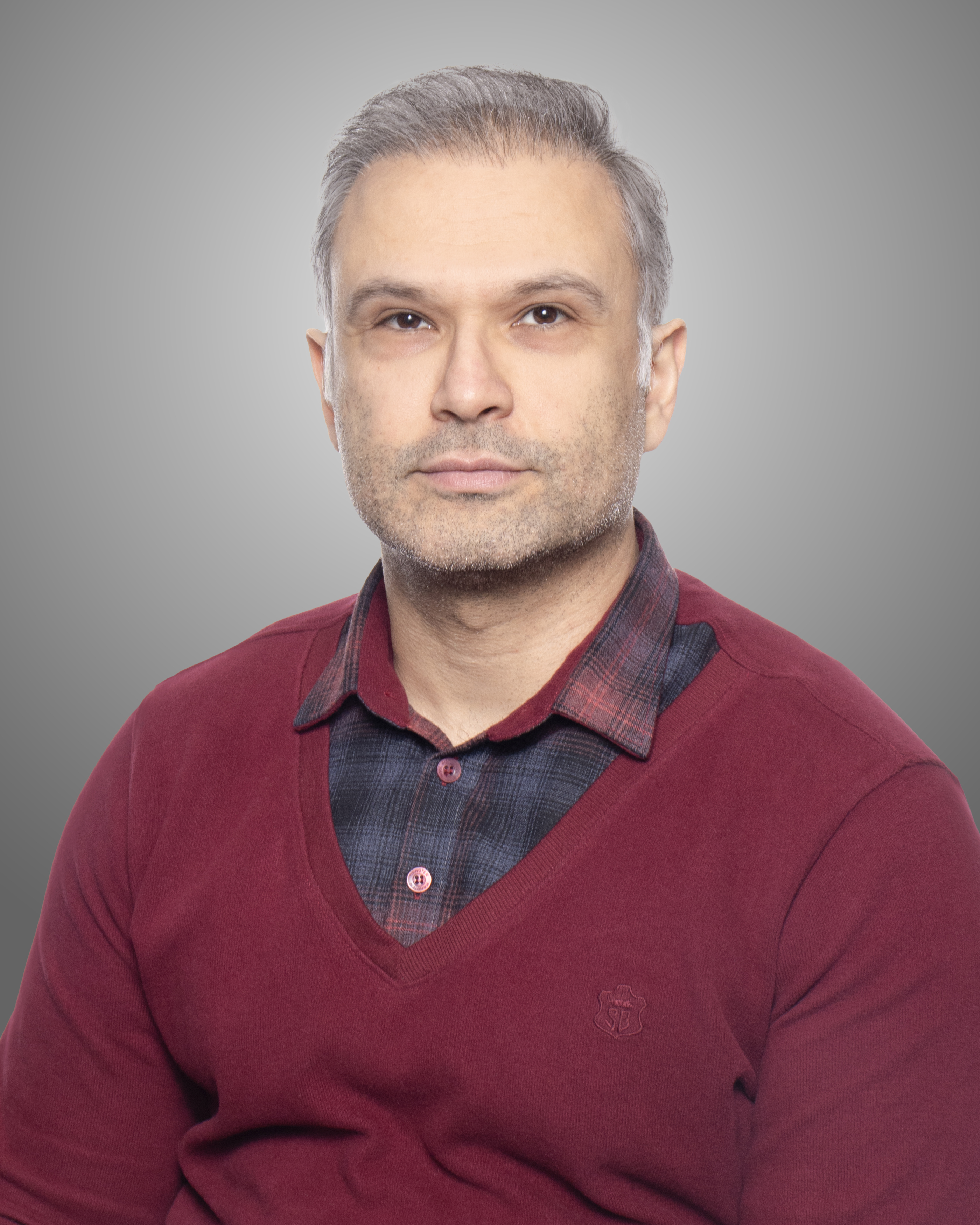
Dr. Jalal Khademi
PhD in Psychology, Depression, Anxiety & Panic Attacks

Lena Ebadi
Intensive Short-Term Dynamic Psychotherapy (ISTDP), Cognitive Behavioral Therapy (CBT), Individual Therapy (Adults)

Dr. Fatemeh Mesgarian
Analytic Psychotherapy, Individual Therapy (Adults), Individual Counseling

Dr. Farzad Rasoulof
Schema Therapy, Cognitive Behavioral Therapy (CBT), Acceptance and Commitment Therapy (ACT)
Other city guides: Los Angeles, New York, San Francisco