🇸🇪 Gothenburg
Sweden
A city warmer than the capital, with distances nobody names
Gothenburg is Sweden's second city and its people have a reputation for being easier and warmer than Stockholmers. The Iranian community here is large and spans generations. This same city also holds one of the clearest examples of social separation in Sweden.
What you get with Emotral
We make the whole path easy, from finding the right therapist to your first session.
- No waiting listChoose your therapist and book an open slot right away.
- 15-minute intro sessionMeet your therapist before you start and see whether it feels right.
- 24/7 supportQuestions about booking, payment or a session? Our team is there.
- Persian-speaking therapistsSomeone who understands your language, culture and migration story.
- Student discountStudents pay less once their student status is verified.
- Simple and fully onlineBook, pay by card and meet over secure video, anywhere in Gothenburg.

Two Gothenburgs living beside each other
Gothenburg has two faces. One is the city centre with its cafes, canals and university. The other is the outer districts built in the housing programme of the 1960s and 70s, where most residents today are immigrants or the children of immigrants.
Many Iranians who arrived in the waves of the 1980s and 90s settled in exactly those districts and stayed. Life there is safe and cheaper and has a Farsi-speaking social network, and its distance from official Sweden is real: in schooling, in the job market, and in how you are described in the media.
The children of those families often have an experience their parents did not: Swedish is their first language, and their address still passes judgement on them. That contradiction is one of the quieter sources of anger and fatigue in Gothenburg's second generation.
When you are discussed rather than spoken to
Integration in Sweden is a permanent political and media argument, and the immigrant is usually its subject rather than a participant in it. You hear your neighbourhood described on television, you read statistics about your group, and nobody has asked you.
The experience has a name: a loss of agency. The sense that the story of your life is being written by other people. For somebody who came from a country where their voice was also not heard, that repetition can reopen an older wound.
One of the things therapy can actually do is take the narrative back. Talking about your own experience, in your own language, without having to justify or simplify it for anybody.
The vårdcentral, 1177, and the psychology queue
The official route to mental health care in Sweden runs through the vårdcentral, the local health centre. You make contact or submit a request through 1177, then an assessment, then a referral if one is needed. What is usually offered first is cognitive behavioural therapy, frequently in an internet-based self-guided form.
The care guarantee promises timelines, and in practice the psychology queue in many regions runs considerably longer. The good part of the Swedish system is the annual cost ceiling: the main barrier here is not money, it is waiting.
And if you want to take that route in Farsi, there is usually no option. An interpreter is sometimes available, and therapy through an interpreter is a different thing: there is a third person in the room, and part of what you meant stays in that gap.
What Farsi-speaking newcomers in Gothenburg find hardest
Long psychology queues despite the care guarantee
Therapy through an interpreter, and what gets left in the gap
Residential separation, and its effect on work and schooling
A loss of agency in the public argument about immigrants
Generational distance from Swedish-speaking children
Rain and long low light on the west coast
No queue, no interpreter
A session with an Emotral therapist needs no referral and no wait, and there is no third person in the room. What you say reaches somebody who understands your language directly.
Most of our therapists have lived migration themselves, so you do not have to explain why your home address is also part of the story.
Farsi-speaking therapists available to you
Every Emotral session is online, so these therapists — wherever in the world they live — are available to Iranians in Gothenburg, and you see the session time in your own local clock.

Dr. Farzaneh Abroshan
Acceptance and Commitment Therapy (ACT), Schema Therapy, Group Therapy

Dr. Mojgan Shariatpanahi
Individual Therapy (Adults), Family Therapy, Couples Therapy
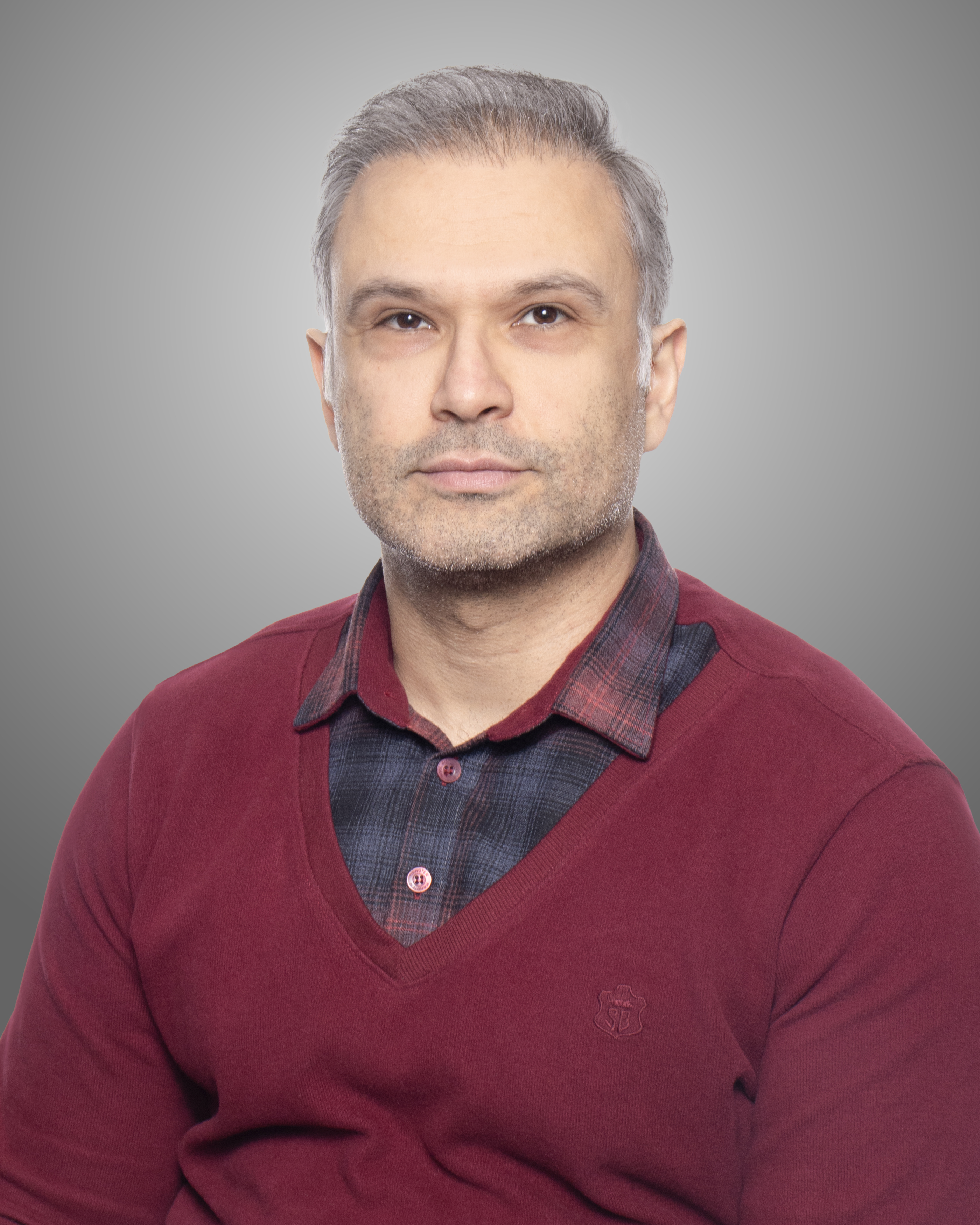
Dr. Jalal Khademi
PhD in Psychology, Depression, Anxiety & Panic Attacks

Lena Ebadi
Intensive Short-Term Dynamic Psychotherapy (ISTDP), Cognitive Behavioral Therapy (CBT), Individual Therapy (Adults)

Dr. Fatemeh Mesgarian
Analytic Psychotherapy, Individual Therapy (Adults), Individual Counseling

Dr. Farzad Rasoulof
Schema Therapy, Cognitive Behavioral Therapy (CBT), Acceptance and Commitment Therapy (ACT)