🇧🇪 Brussels
Belgium
A city where everyone is temporary, and friendship has an expiry date
Brussels is the administrative capital of Europe and a large share of its residents came for a few years. For Iranians working or studying here the city is open and international, and that same openness makes putting down roots difficult.
What you get with Emotral
We make the whole path easy, from finding the right therapist to your first session.
- No waiting listChoose your therapist and book an open slot right away.
- 15-minute intro sessionMeet your therapist before you start and see whether it feels right.
- 24/7 supportQuestions about booking, payment or a session? Our team is there.
- Persian-speaking therapistsSomeone who understands your language, culture and migration story.
- Student discountStudents pay less once their student status is verified.
- Simple and fully onlineBook, pay by card and meet over secure video, anywhere in Brussels.

When everyone is leaving
Something newcomers to Brussels work out late: a large part of the city runs on multi-year contracts. People arrive, stay three or five years, and go.
That produces a particular social pattern. Meeting people is remarkably easy — everyone is new, everyone is looking for new people. Friendships then fail to reach the depth you expect, because both sides know at some level that the relationship is temporary. You do not fully invest in somebody who will be in another city next year.
After a few rounds of goodbyes many people stop starting, without ever deciding to. This is not depression and it is not withdrawal; it is a reasonable protection that turns into isolation over time. And because it looks from outside like a busy social life, nobody notices.
Two official languages, and you are outside both
Brussels is officially bilingual: French and Dutch. In practice you hear mostly French, English in international settings, and schools or administration may want Dutch.
For a migrant that means choosing. Which second language do you take? And whichever you take, half the city is still somewhere else. People who have lived here for years often say they belong to neither language community — comfortable in the international English bubble and outside Belgium itself.
Fluency does not resolve that feeling, because the issue is not language. It is membership.
The health fund, the conventioned psychologist, and what is left
In Belgium joining a health insurance fund is compulsory and most costs come back through it. For some years there has been a network of conventioned psychologists whose sessions are largely covered, with a small patient contribution.
It has two real limits. The number of sessions is capped, and both the cap and the contribution have been revised more than once — ask your own fund for the current figures. And a Farsi-speaking conventioned psychologist effectively does not exist.
Outside that network, private practice costs more and reimbursement varies by fund and by any top-up insurance you hold.
What Farsi-speaking newcomers in Brussels find hardest
Structurally temporary relationships and friendships without depth
Isolation hidden behind a busy social life
Choosing between two official languages and belonging to neither
A session cap in the conventioned psychologist network
No Farsi-speaking option inside the health system
A stay-or-go decision that returns every few years
A relationship that does not end with the contract
Online therapy is not tied to a city. If you move to another country next year the same therapist stays with you, which in Brussels is not a small advantage.
Sessions are in Farsi, with no session cap and a price you know before booking.
Farsi-speaking therapists available to you
Every Emotral session is online, so these therapists — wherever in the world they live — are available to Iranians in Brussels, and you see the session time in your own local clock.

Dr. Farzaneh Abroshan
Acceptance and Commitment Therapy (ACT), Schema Therapy, Group Therapy

Dr. Mojgan Shariatpanahi
Individual Therapy (Adults), Family Therapy, Couples Therapy
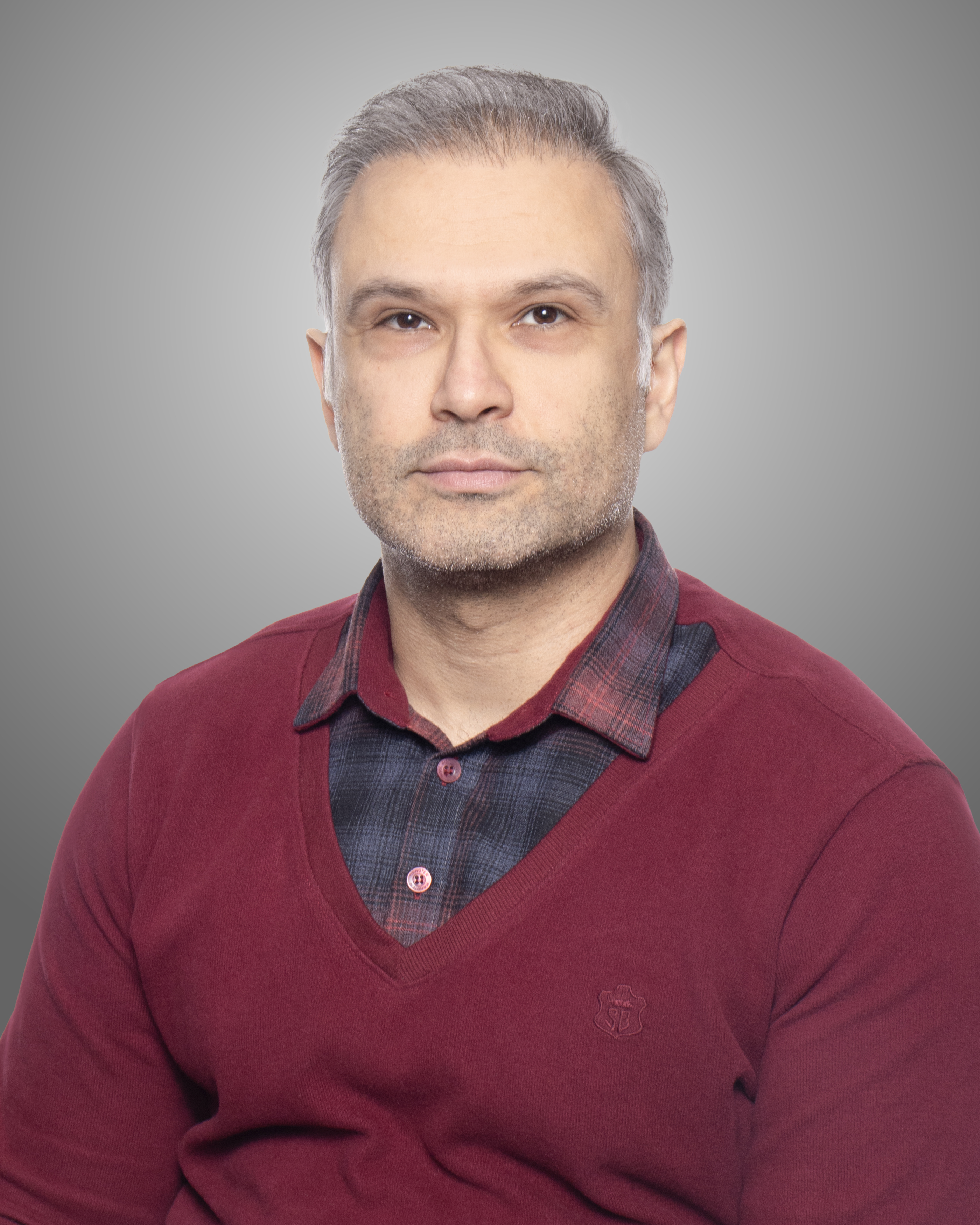
Dr. Jalal Khademi
PhD in Psychology, Depression, Anxiety & Panic Attacks

Lena Ebadi
Intensive Short-Term Dynamic Psychotherapy (ISTDP), Cognitive Behavioral Therapy (CBT), Individual Therapy (Adults)

Dr. Fatemeh Mesgarian
Analytic Psychotherapy, Individual Therapy (Adults), Individual Counseling

Dr. Farzad Rasoulof
Schema Therapy, Cognitive Behavioral Therapy (CBT), Acceptance and Commitment Therapy (ACT)
Other city guides: Antwerp