🇸🇪 Uppsala
Sweden
A university city, and what one number does to your life
Uppsala has the oldest university in Scandinavia and a large share of the Iranians here are students, researchers or postdocs. The city is small and quiet and most of life turns around the university, including a problem few people know about before arriving.
What you get with Emotral
We make the whole path easy, from finding the right therapist to your first session.
- No waiting listChoose your therapist and book an open slot right away.
- 15-minute intro sessionMeet your therapist before you start and see whether it feels right.
- 24/7 supportQuestions about booking, payment or a session? Our team is there.
- Persian-speaking therapistsSomeone who understands your language, culture and migration story.
- Student discountStudents pay less once their student status is verified.
- Simple and fully onlineBook, pay by card and meet over secure video, anywhere in Uppsala.

The number that ordinary life is hard without
In Sweden the personnummer, the personal identity number, is the key to almost everything: a bank account, a phone contract, insurance, registering at a vårdcentral, even some online purchases. If your stay is shorter than a year, which it is for many researchers and exchange students, you do not get one.
You can live without it, and every simple task takes twice the energy and always needs explaining. That administrative erosion happens in your first months, exactly when you most need something stable.
And it is the same number that the health system asks for at the door. Which means somebody who has just arrived and is not doing well is frequently the same person facing the hardest route to getting help.
Research, loneliness, and hours that do not end
Academic work has no clear boundary. The experiment runs into the evening, the paper gets written at the weekend, and there is always somebody working more. For an Iranian researcher who came on a scholarship or whose family paid for it, that pressure carries an extra layer: you have to prove it was worth it.
Uppsala is a small city and in winter it is dark and quiet. If your lab is your only social setting, which it is for a lot of people, then one disagreement with a supervisor or one failed project takes your whole world with it.
The treatment route, and what the university offers
The public route is the usual one: the vårdcentral, 1177, an assessment, and a queue. The university also has student counselling, which is free with a limited number of sessions, usually in Swedish or English.
None of it is in Farsi. And for somebody who has spent three years thinking most of the day in a second language, discussing the hard things in a third is a barrier in itself.
What Farsi-speaking newcomers in Uppsala find hardest
Having no personnummer on a short stay
Administrative erosion through the first months
Academic work with no boundary, and the pressure to justify the move
An entire social network tied to one lab or research group
Dark winters in a small, quiet city
Limited university counselling and no Farsi option
No personal number, no queue, in your first language
Starting with Emotral needs no personnummer, no registration at a vårdcentral, and no place in a queue. If your stay is short or your paperwork is not settled yet, that is a meaningful difference.
And the session is in Farsi: your first language, not your third.
Farsi-speaking therapists available to you
Every Emotral session is online, so these therapists — wherever in the world they live — are available to Iranians in Uppsala, and you see the session time in your own local clock.

Dr. Farzaneh Abroshan
Acceptance and Commitment Therapy (ACT), Schema Therapy, Group Therapy

Dr. Mojgan Shariatpanahi
Individual Therapy (Adults), Family Therapy, Couples Therapy
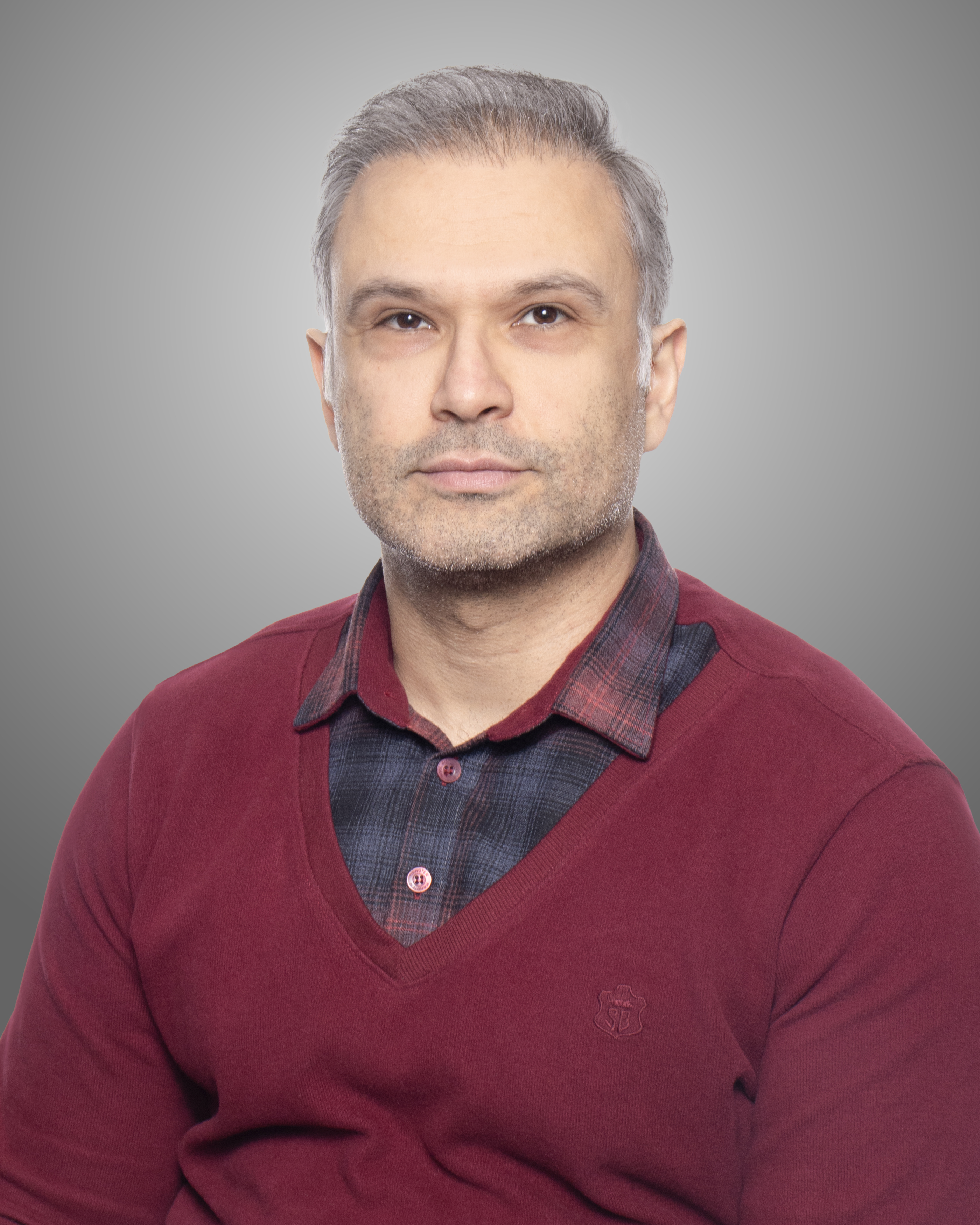
Dr. Jalal Khademi
PhD in Psychology, Depression, Anxiety & Panic Attacks

Lena Ebadi
Intensive Short-Term Dynamic Psychotherapy (ISTDP), Cognitive Behavioral Therapy (CBT), Individual Therapy (Adults)

Dr. Fatemeh Mesgarian
Analytic Psychotherapy, Individual Therapy (Adults), Individual Counseling

Dr. Farzad Rasoulof
Schema Therapy, Cognitive Behavioral Therapy (CBT), Acceptance and Commitment Therapy (ACT)
Other city guides: Stockholm, Gothenburg, Malmö