🇺🇸 Los Angeles
United States
Tehrangeles: the largest Iran outside Iran, with all the pressure that implies
Los Angeles is home to the largest Iranian community in the world outside Iran. That density is a gift and a burden at once. Nowhere else can you live so completely in Farsi, and nowhere else do other people's eyes weigh quite this much.
What you get with Emotral
We make the whole path easy, from finding the right therapist to your first session.
- No waiting listChoose your therapist and book an open slot right away.
- 15-minute intro sessionMeet your therapist before you start and see whether it feels right.
- 24/7 supportQuestions about booking, payment or a session? Our team is there.
- Persian-speaking therapistsSomeone who understands your language, culture and migration story.
- Student discountStudents pay less once their student status is verified.
- Simple and fully onlineBook, pay by card and meet over secure video, anywhere in Los Angeles.

Tehrangeles: when Iran walks down the street
Los Angeles is a city where an Iranian can, in practice, live without English. Beverly Hills, Westwood, Glendale, Encino, Tarzana: districts with Iranian restaurants, sangak bakeries, grocery shops full of good saffron, and Farsi-speaking doctors in abundance. Westwood is known as Persian Square for the sheer density of Iranian businesses along it.
That density comes at a price. Tehrangeles is an old community, formed by the first wave of migration after 1979, and it now holds three generations. That means a network of expectations, standards and comparisons with deep roots. What car you drive, which university your children got into, which neighbourhood your house is in: these questions carry a weight here that they do not carry in other cities.
The Farsi-language media of Los Angeles, radio station KIRN, the satellite channels, the local papers, have built a self-contained information ecosystem. You can spend an entire day inside a parallel Iran. That is genuinely valuable for keeping the language and the culture alive, and it can also stand in the way of ever really integrating with the wider American society around it.
Pressures that exist only in Tehrangeles
Aberu in Los Angeles is a daily reality, lived more intensely here than in any other immigrant city. Million-dollar weddings, luxury cars as proof of arrival, family pressure to become a doctor or a lawyer or an engineer: in Tehrangeles these have become the norm rather than the exception. Families who do not reach that standard often feel they have failed, even when their lives are by any reasonable measure successful.
The second generation, born here, live inside a complicated identity. Farsi at home, American at university, Iranian parties in the clothes and manner their parents expect, and a personal life built on entirely different values. That distance between generations is frequently a source of tension, of divorce, and of a quiet emotional withdrawal.
The sprawl of Los Angeles is a structural fact with psychological consequences. Life inside a car, an hour of traffic each day, a community spread across kilometres. Your friends may be forty-five minutes away, your family another hour beyond that. That dispersal means real isolation is possible even inside a community of half a million.
Iranian-American: an identity three generations in the making
The first wave of Iranian migration to Los Angeles formed after the 1979 revolution, largely from the urban middle class, and including Jewish and Baha'i families and families connected to the former government. That variety was a feature of the community from the beginning. Today it spans several generations, each with a different experience of what being Iranian means.
There are grandparents who never learned English and live in Glendale among Farsi-speaking neighbours. Parents who walk between two cultures and are not always sure what to pass on. Grandchildren who may know a few words of Farsi and think of themselves as entirely American. That family spectrum is itself a source of considerable emotional strain.
Politics is always present in Tehrangeles too. Tensions between monarchists, republicans, reformist opposition and a younger generation with different priorities open fissures at family tables and inside friendships. That political weight, which has nothing to do with any individual's personal life, is one of the hidden sources of stress for many Iranians in Los Angeles.
What Farsi-speaking newcomers in Los Angeles find hardest
Intense social pressure to display success: the car, the house, the job
Heavy family expectations about career and marriage
Generational tension inside three-generation families
A very high cost of living, especially in the Iranian neighbourhoods
The sprawl of the city, and isolation despite a large community
Identity questions for the second and third Iranian-American generations
Political tension within the community itself
The exhaustion of living in two worlds at once
Farsi-language therapy in the middle of Tehrangeles
There are Farsi-speaking therapists practising in person in Los Angeles, and the people who know them are usually active in exactly the social networks you may be trying to get some distance from. An online Farsi-speaking therapist who does not live in your neighbourhood and does not attend the same parties gives you a fuller confidentiality. You can be honest about family pressure, tension with your partner, or the choices you are weighing, without wondering whether you will meet your therapist at your cousin's wedding next week.
Therapy in Farsi matters particularly here because so many of the pressures Iranians in Los Angeles carry, aberu, what people will say, family expectation, generational strain, are concepts that resist translation into English. A therapist who understands them from the inside can skip the cultural explanation and start at the root of the thing.
Farsi-speaking therapists available to you
Every Emotral session is online, so these therapists — wherever in the world they live — are available to Iranians in Los Angeles, and you see the session time in your own local clock.

Dr. Farzaneh Abroshan
Acceptance and Commitment Therapy (ACT), Schema Therapy, Group Therapy

Dr. Mojgan Shariatpanahi
Individual Therapy (Adults), Family Therapy, Couples Therapy
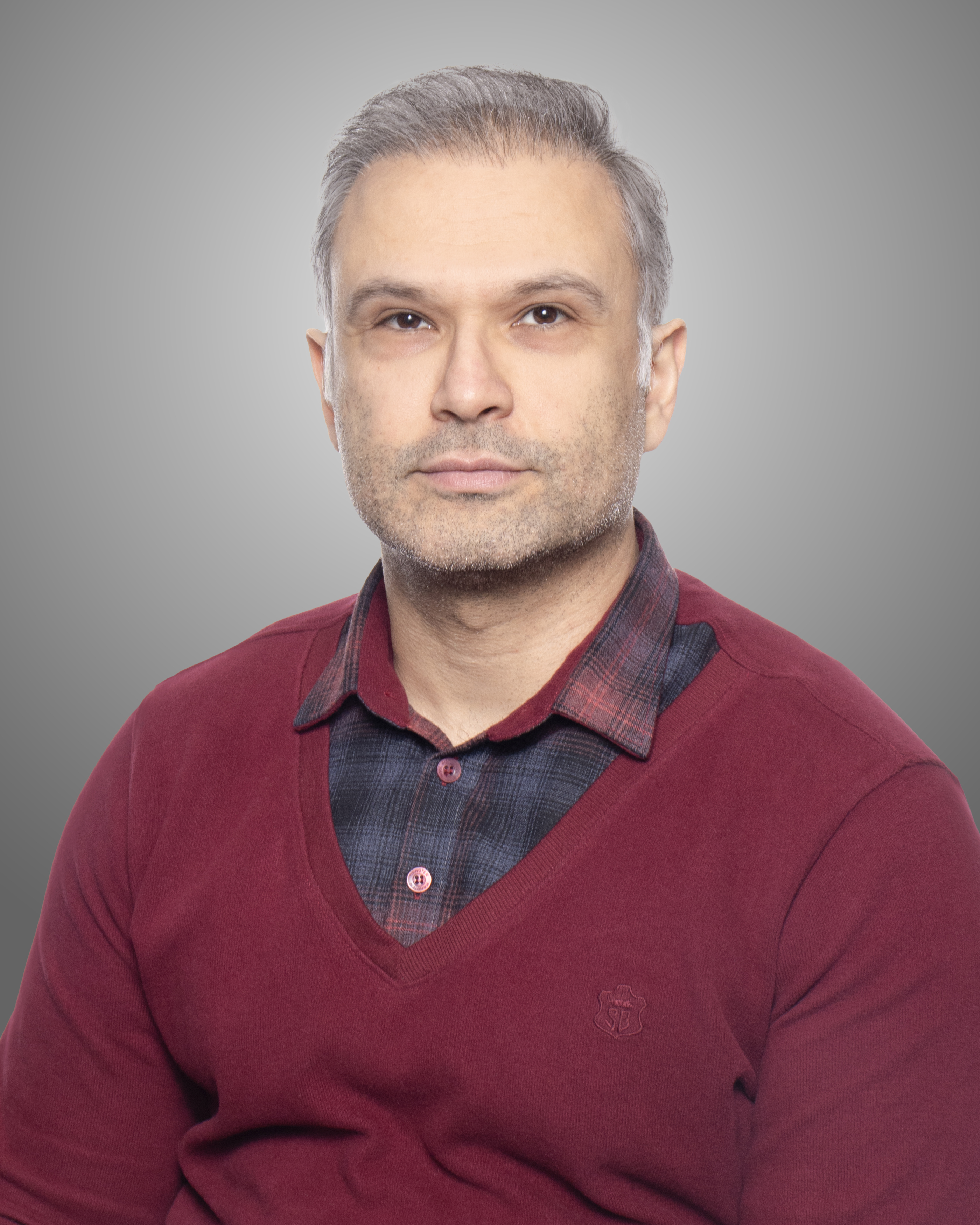
Dr. Jalal Khademi
PhD in Psychology, Depression, Anxiety & Panic Attacks

Lena Ebadi
Intensive Short-Term Dynamic Psychotherapy (ISTDP), Cognitive Behavioral Therapy (CBT), Individual Therapy (Adults)

Dr. Fatemeh Mesgarian
Analytic Psychotherapy, Individual Therapy (Adults), Individual Counseling

Dr. Farzad Rasoulof
Schema Therapy, Cognitive Behavioral Therapy (CBT), Acceptance and Commitment Therapy (ACT)
Other city guides: New York, Washington, DC, San Francisco