🇨🇦 Montreal
Canada
The little Paris of North America, where you keep three languages alive at once
Montreal looks European while sitting in North America, and speaks French while being in Canada. For Iranians that mixture is both the attraction and the difficulty: you have to keep Farsi, French and English alive at the same time.
What you get with Emotral
We make the whole path easy, from finding the right therapist to your first session.
- No waiting listChoose your therapist and book an open slot right away.
- 15-minute intro sessionMeet your therapist before you start and see whether it feels right.
- 24/7 supportQuestions about booking, payment or a session? Our team is there.
- Persian-speaking therapistsSomeone who understands your language, culture and migration story.
- Student discountStudents pay less once their student status is verified.
- Simple and fully onlineBook, pay by card and meet over secure video, anywhere in Montreal.
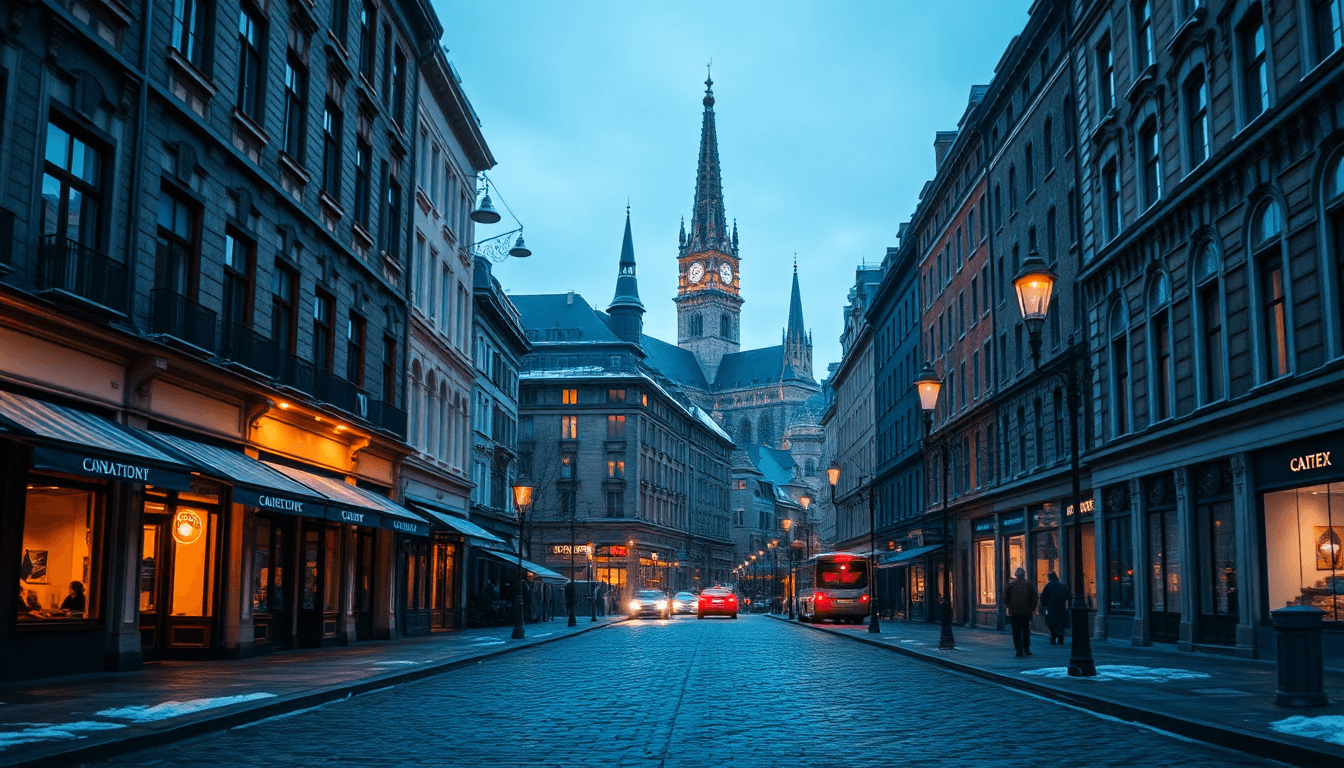
Montreal: the Europe of North America
Montreal is an exception among Canadian cities. Cobbled streets, nineteenth-century architecture, French cafes, and a rhythm of life closer to Paris or Rome than to Toronto. For Iranians who wanted a European life and ended up in Canada for other reasons, Montreal is often the nearest thing to that idea.
Rent here is still meaningfully cheaper than in Toronto or Vancouver, and it is one of the reasons the newer wave of Iranian immigrants moves towards Quebec. That price difference makes a real difference to how a life feels: a larger apartment, more financial calm, room to build something without chronic money anxiety underneath it.
The Iranian community in Montreal differs from those in other Canadian cities. It tends to be more educated, more multilingual, sometimes more artistic. Strong universities, McGill, UdeM and Concordia, mean a continuous wave of Iranian students who keep the community young and in motion.
French: an open door, or a high wall?
Bill 101, Quebec's charter of the French language, is a daily reality for Iranian immigrants and not one to be waved away. In government offices, in formal workplaces, in your children's schooling, French is not a choice but a requirement. That linguistic pressure, landing on somebody who already learned English, is genuinely tiring. Why do I have to learn another language?
The cultural separation between Quebec and the rest of Canada is real. Quebec has its own history, identity and politics. For a newly arrived Iranian, understanding those tensions, Quebec sovereignty, the complicated relationship with Ottawa, the sensitivities around laicity, is an extra layer of complexity you would not have met in another province.
Quebec's Bill 21, which bans religious symbols in some public-sector jobs, can create real career problems for Iranian Muslim women, or for women read that way. Even if you are not personally affected, the public atmosphere around Muslim and Middle Eastern identity in Quebec is sometimes uncomfortable.
Three languages, three cultures, one identity
Living in Montreal means navigating three worlds every day: Farsi at home, French in the office and the neighbourhood, English in business and North American media. That multilingualism is a real gift for children and a source of worry for parents. Will my children forget Farsi? Will their French be good enough? Does an identity form inside all these languages, or get lost in them?
Montreal's winter is among the harshest of any major city in the world. Minus twenty-five, winds off the Saint Lawrence, snow that sometimes reaches a metre. The underground city is an answer to exactly that winter: a vast connected network of shops and offices below ground. That winter enclosure has its own psychological cost.
The Montreal temperament is usually warmer than Toronto's or Vancouver's. Quebecois are friendly and direct and warm up quickly at a party. For Iranians who complain about cultural coldness elsewhere, that is a genuinely different experience. That warmth still has its own ceiling, and moving past it into real friendship takes about as long as it does anywhere.
What Farsi-speaking newcomers in Montreal find hardest
Learning French as the condition of integrating in Quebec
The cultural and political tensions of Quebec, Bills 101 and 21
Very cold, very long winters
Three languages as constant pressure on parents and children
Relative separation from the rest of Canada
Sensitivities around laicity in public life
Moving from student life to professional life in a multilingual environment
Great distance from family in Iran
An online Farsi-speaking therapist in Montreal
Montreal has plenty of therapists, and many of them work only in French. A Farsi-speaking therapist available online is a valuable bridge in itself: you do not have to join a Quebec insurance waiting list or pay heavy private fees to find somebody who understands the language your feelings are actually in.
Therapy in Farsi is a refuge for anybody living each day across three languages. Sitting in a session where you can speak only Farsi, with no word-choosing, no mental translation, none of the cognitive fatigue of multilingual life, lets a part of you that has been compressed all week breathe out. That linguistic space is itself part of the treatment.
Farsi-speaking therapists available to you
Every Emotral session is online, so these therapists — wherever in the world they live — are available to Iranians in Montreal, and you see the session time in your own local clock.

Dr. Fatemeh Mesgarian
Based in Canada
Analytic Psychotherapy, Individual Therapy (Adults), Individual Counseling

Dr. Farzad Rasoulof
Based in Canada
Schema Therapy, Cognitive Behavioral Therapy (CBT), Acceptance and Commitment Therapy (ACT)

Masoud Ahmadi
Based in Canada
Intensive Short-Term Dynamic Psychotherapy (ISTDP), Analytic Psychotherapy, Individual Therapy (Adults)

Dr. Farzaneh Abroshan
Acceptance and Commitment Therapy (ACT), Schema Therapy, Group Therapy

Dr. Mojgan Shariatpanahi
Individual Therapy (Adults), Family Therapy, Couples Therapy
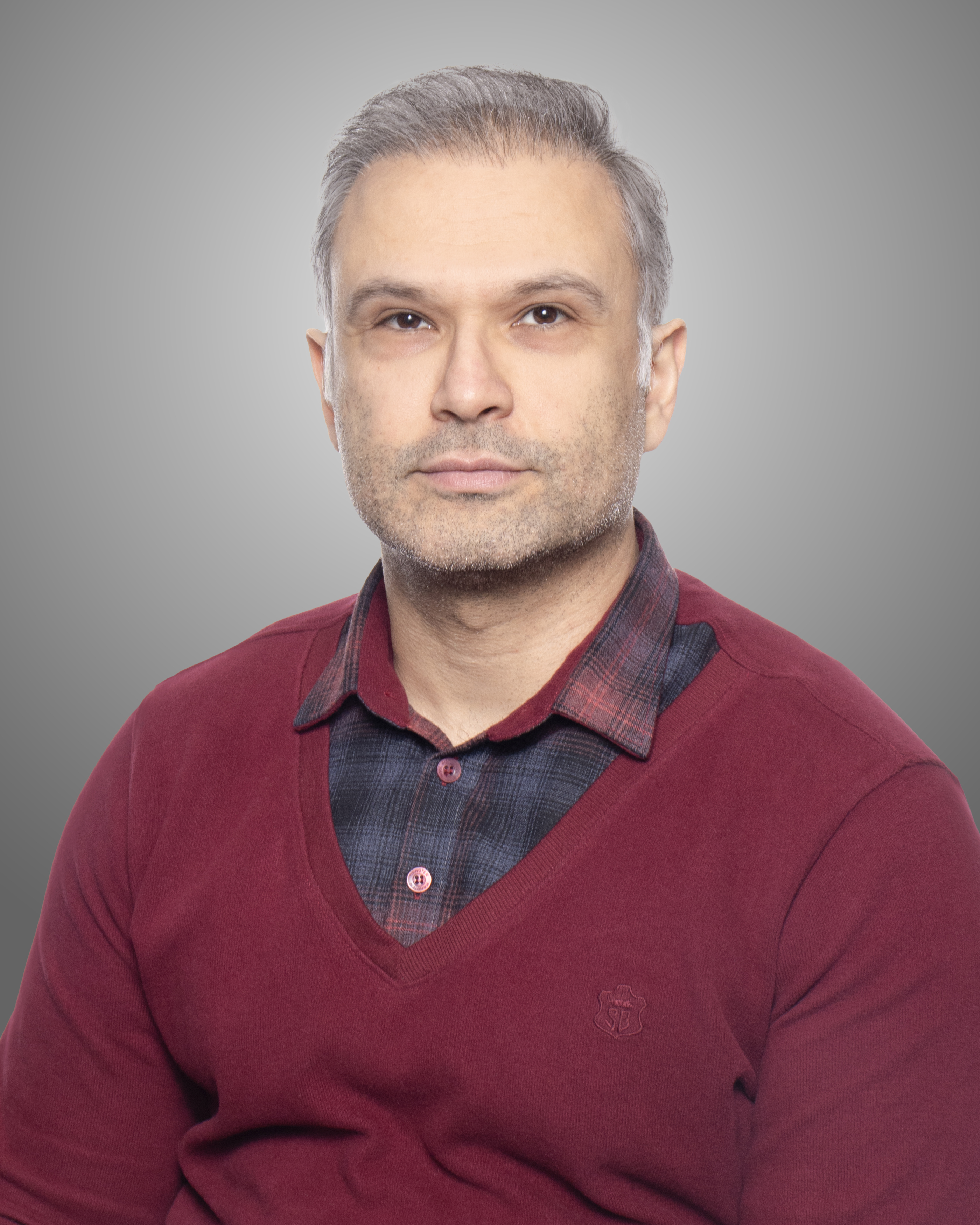
Dr. Jalal Khademi
PhD in Psychology, Depression, Anxiety & Panic Attacks