🇩🇪 Berlin
Germany
In a city that never sleeps, you do not have to be alone
Berlin lives on its contradictions: full of art and freedom, and sometimes cold and distant with it. For Iranians who live here, the city is both a refuge and a challenge.
What you get with Emotral
We make the whole path easy, from finding the right therapist to your first session.
- No waiting listChoose your therapist and book an open slot right away.
- 15-minute intro sessionMeet your therapist before you start and see whether it feels right.
- 24/7 supportQuestions about booking, payment or a session? Our team is there.
- Persian-speaking therapistsSomeone who understands your language, culture and migration story.
- Student discountStudents pay less once their student status is verified.
- Simple and fully onlineBook, pay by card and meet over secure video, anywhere in Berlin.
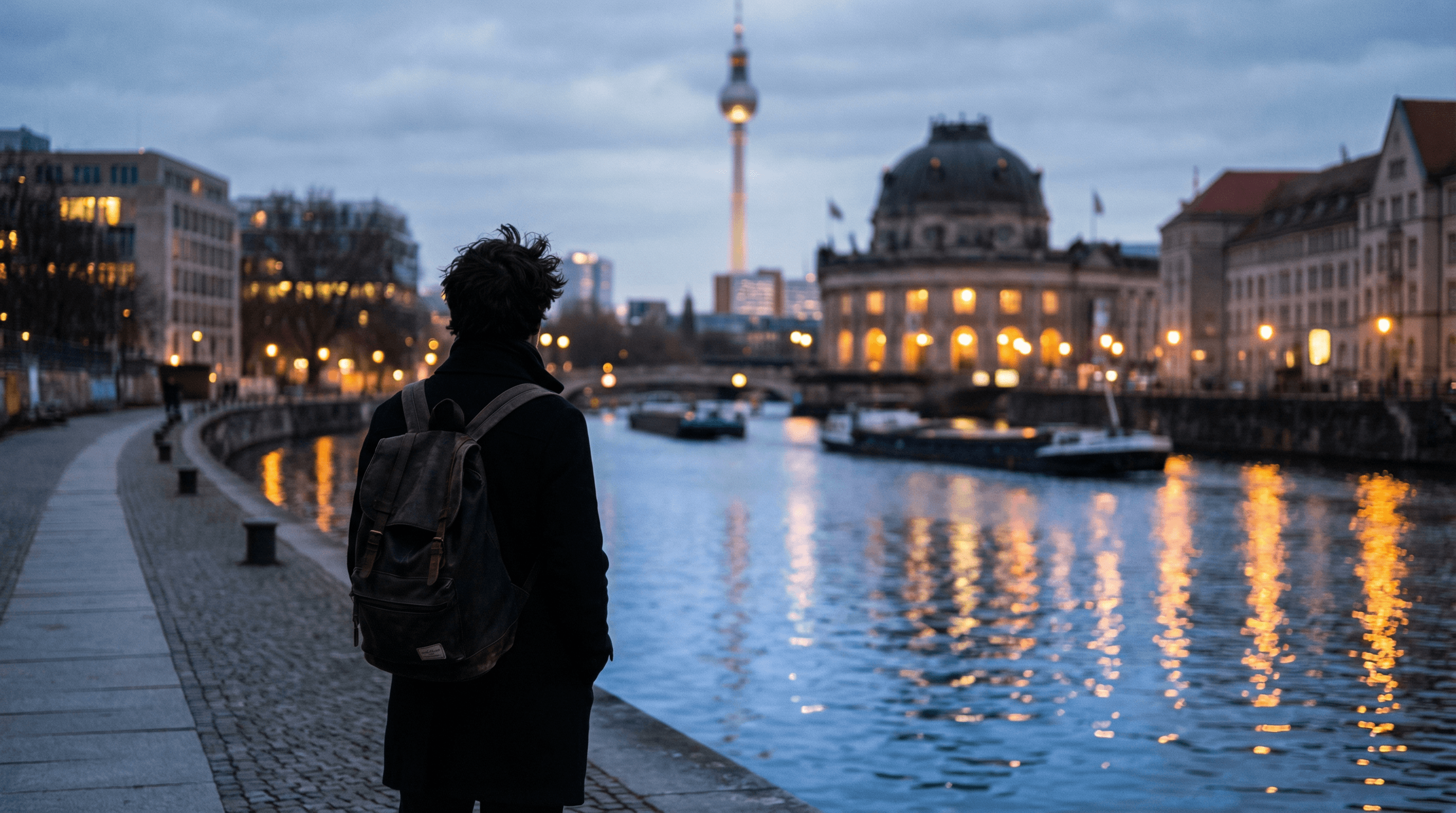
Living in Berlin: a world you were not expecting
Berlin holds one of the largest Iranian communities in Europe. Charlottenburg and Schoeneberg are full of Iranian restaurants, grocery shops stocked with things from home, and Farsi spoken on the street. Walking those neighbourhoods for the first time, you may feel a step closer to home. That closeness does not always make the ache smaller.
The reality of Berlin often differs from the picture you had at a distance. At first everything is exciting: the museums, the cafes, the architecture, the feeling of a city that breathes freely. Then a few months pass, the first excitement settles, and harder questions arrive. Who am I here? Is this life I have built actually mine?
The Iranian community in Berlin is not one thing. It runs from students and artists to political exiles who arrived decades ago. That variety is a strength and, sometimes, a source of confusion: each generation of Iranians in this city tells a different story about it, and finding where you fit among them is not simple.
The parts nobody mentions before you leave
German bureaucracy is one of the hardest early experiences of migration. Auslaenderbehoerde, Anmeldung, Krankenkasse: the words are difficult to say, and behind each one sit hours of waiting, complicated forms, and a feeling of powerlessness. When your language is not yet good enough to ask for what you are entitled to, when you know exactly what you want to say and do not have the German for it, that is one of the loneliest moments migration produces.
German communication style is a shock to many Iranians. We grow up with taarof, the thin polite layer that softens Iranian relationships. Germans speak directly, not out of rudeness but because honesty is the value being expressed. Still, when a colleague criticises your work with no preamble, or a friend tells you plainly that they will not take your suggestion, that directness can land like cold water.
Berlin's weather is a reality most people underestimate. Nine grey months, days when you forget what the sun looks like, a heaviness that settles on your shoulders. This is not only weather. Seasonal depression is very common in Germany, and for someone raised in the light of Tehran or Isfahan the change of climate can reach a long way into the mind.
Language, culture, and the question of who you are now
Learning German is not only a language skill, it is a journey through your own identity. The first time you dream in German, the first time you notice you are thinking through a complicated conversation in German rather than Farsi, something in you has shifted. That shift is remarkable and unsettling at once: you are becoming someone you do not entirely recognise.
Living between two cultures is like standing on a bridge while both banks move away from you. When you go back to Iran you are no longer entirely Iranian; your gaze has changed, you ask questions you did not ask before. In Berlin you do not become German either; your accent, your history, your memories are different. That space between two cultures can be liberating and disorienting in the same week.
Missing Iran is a complicated feeling. It is not only missing your family. It is missing the warmth of how people relate, the long evenings with everyone in one room, the sense of belonging that needs no explanation. In Berlin you have to build that belonging again from nothing, and building it takes years and an energy you do not always have.
What Farsi-speaking newcomers in Berlin find hardest
German bureaucracy: Auslaenderbehoerde, Anmeldung, Krankenkasse
The language barrier and the pressure to learn German fast
German directness against Iranian taarof
Long dark winters and seasonal depression
How hard it is to build real friendships with Germans
A job market that expects fluent German
Distance from family and the people you love
Living between two cultures and belonging fully to neither
Why a Farsi-speaking therapist matters
When you need a therapist in Berlin, finding one who speaks German is not enough. You need someone who knows what taarof is and why saying a direct no is hard for you. Someone who does not need it explained when you talk about aberu. Someone who understands how heavy Iranian family expectations can be, even from thousands of kilometres away. That cultural understanding is part of the treatment, not just its background.
A Farsi-speaking therapist can stand with you in the in-between: not fully Iranian any more, not fully German either. They understand that migration grief is real, that losing your previous life deserves to be mourned, and that building a new identity inside a foreign culture is one of the braver things a person can do. You deserve somebody who actually understands that journey.
Farsi-speaking therapists available to you
Every Emotral session is online, so these therapists — wherever in the world they live — are available to Iranians in Berlin, and you see the session time in your own local clock.

Lena Ebadi
Based in Germany
Intensive Short-Term Dynamic Psychotherapy (ISTDP), Cognitive Behavioral Therapy (CBT), Individual Therapy (Adults)

Paria Arjmandi
Based in Germany
Intensive Short-Term Dynamic Psychotherapy (ISTDP), Analytic Psychotherapy, Dynamic Psychotherapy

Yousof Zohdi Omouei
Based in Germany
Cognitive Behavioral Therapy (CBT), Acceptance and Commitment Therapy (ACT), Schema Therapy

Dr. Farzaneh Abroshan
Acceptance and Commitment Therapy (ACT), Schema Therapy, Group Therapy

Dr. Mojgan Shariatpanahi
Individual Therapy (Adults), Family Therapy, Couples Therapy
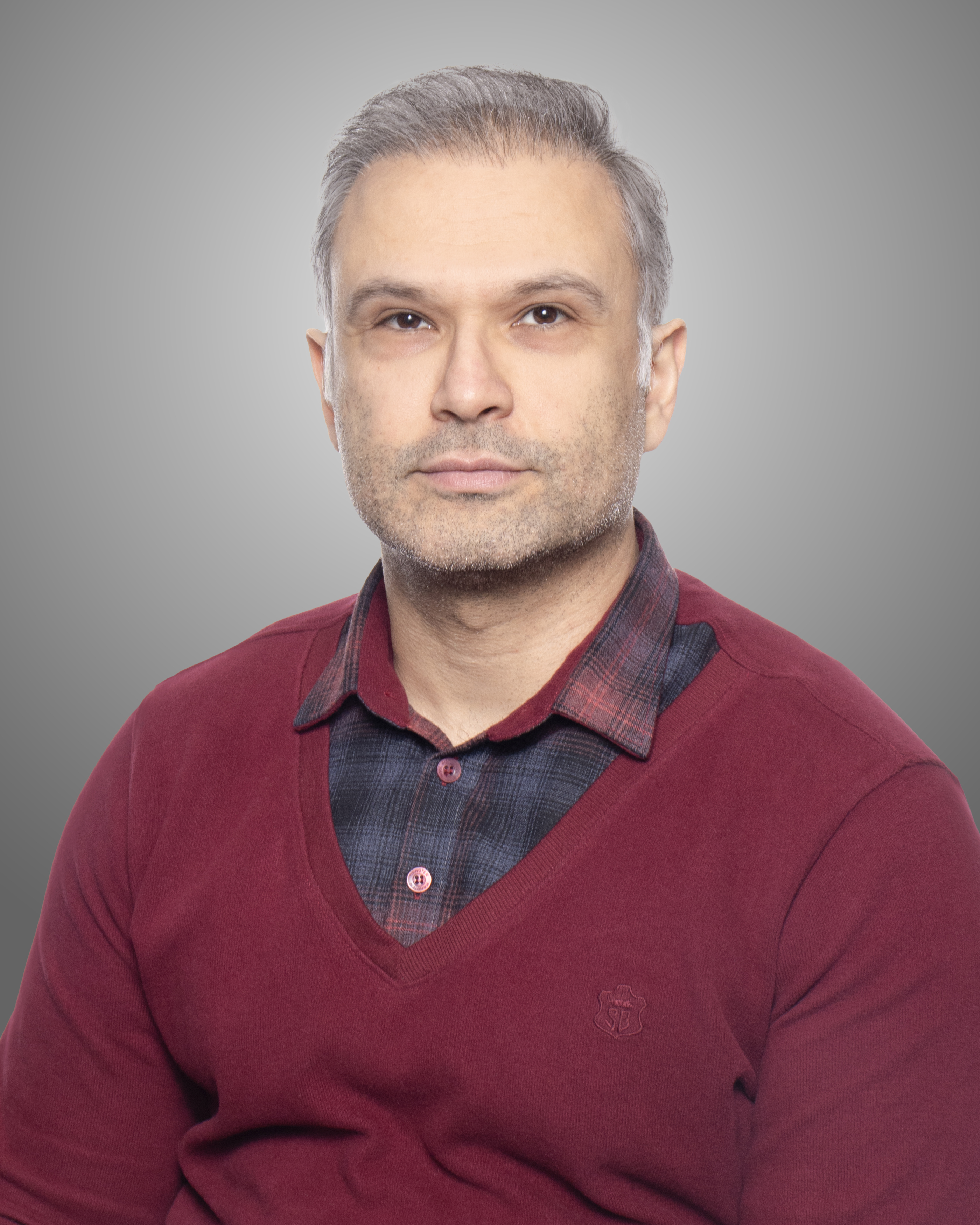
Dr. Jalal Khademi
PhD in Psychology, Depression, Anxiety & Panic Attacks
Farsi-speaking therapists for Iranians across Germany
Other city guides: Hamburg, Munich, Frankfurt, Cologne, Dusseldorf, Stuttgart