🇧🇪 Antwerp
Belgium
Where integration is a legal obligation rather than a personal path
Antwerp is the port and commercial city of Flanders, wealthy and hard-working. For migrants it differs from Brussels in one important way: in Flanders integration is a formal programme with courses and exams, and not completing it has consequences.
What you get with Emotral
We make the whole path easy, from finding the right therapist to your first session.
- No waiting listChoose your therapist and book an open slot right away.
- 15-minute intro sessionMeet your therapist before you start and see whether it feels right.
- 24/7 supportQuestions about booking, payment or a session? Our team is there.
- Persian-speaking therapistsSomeone who understands your language, culture and migration story.
- Student discountStudents pay less once their student status is verified.
- Simple and fully onlineBook, pay by card and meet over secure video, anywhere in Antwerp.

When integration is compulsory and comes with an exam
In Flanders the integration programme is a legal requirement rather than an offer. A Dutch language course, a course on how society works, and exams you have to pass. Enforcement has become stricter in recent years.
The reasoning behind it is defensible: language and familiarity genuinely help. Living through it is another matter. Somebody who qualified in Iran and worked professionally for years now sits in a classroom being told how society functions, and sits an exam at the end to demonstrate they are sufficiently integrated.
That combination — being an adult and being assessed at the same time — is something many people cannot explain to their family back home. From outside it looks like a language class. From inside it feels like having adult standing taken back.
When your presence is a matter of public debate
Migration has been one of the central subjects of Flemish politics for years, and Antwerp is at the centre of that argument. Which means that in the newspapers, on television and in campaign advertising, people are discussing a category you have been placed in.
The effect is gradual. You learn to establish your own position before saying anything else. You learn to read your own good behaviour not as your character but as representing a group. That tiredness has no name, and it is real, and it accumulates.
The important point: this is not oversensitivity, and it is not something more effort resolves. It is an accurate description of the situation, and therapy can help you keep its weight separate from your sense of your own worth.
The route to care: family doctor, health fund, and language
Belgian health fund membership is compulsory and much of the cost comes back through it. The conventioned psychologist network offers relatively low-cost sessions with a defined cap on their number.
In Antwerp that whole route runs in Dutch. An interpreter is not an ideal option in a therapeutic conversation, because there is a third person in the room and some of what needs saying goes unsaid.
English is not a complete answer either: your working language may be good, but feeling in a second language always stays one step further away.
What Farsi-speaking newcomers in Antwerp find hardest
A compulsory integration programme and its exams
Being returned to the position of somebody being assessed, as an adult
Sitting at the centre of a permanent political argument about migration
The tiredness of permanently representing a group
A route to care that runs entirely in Dutch, and the limits of interpreters
Qualifications and professional experience not being recognised
One hour with no assessment
In a session held in Farsi you do not have to monitor your language, explain the cultural background, or manage how you are being seen. It is the one hour of the week in which you are not being examined.
The therapists have been through migration themselves, so the part that is hardest to explain is understood before you start.
Farsi-speaking therapists available to you
Every Emotral session is online, so these therapists — wherever in the world they live — are available to Iranians in Antwerp, and you see the session time in your own local clock.

Dr. Farzaneh Abroshan
Acceptance and Commitment Therapy (ACT), Schema Therapy, Group Therapy

Dr. Mojgan Shariatpanahi
Individual Therapy (Adults), Family Therapy, Couples Therapy
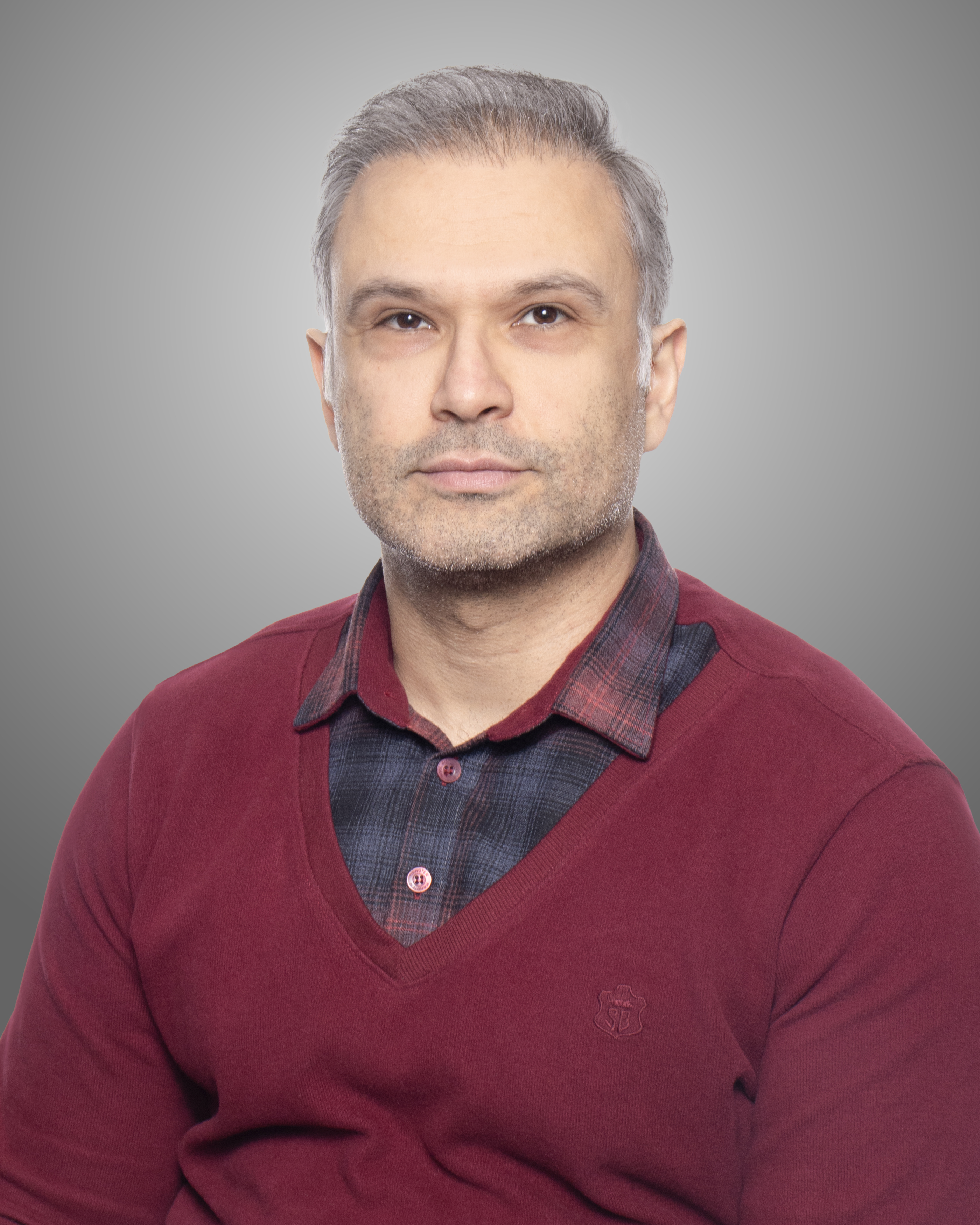
Dr. Jalal Khademi
PhD in Psychology, Depression, Anxiety & Panic Attacks

Lena Ebadi
Intensive Short-Term Dynamic Psychotherapy (ISTDP), Cognitive Behavioral Therapy (CBT), Individual Therapy (Adults)

Dr. Fatemeh Mesgarian
Analytic Psychotherapy, Individual Therapy (Adults), Individual Counseling

Dr. Farzad Rasoulof
Schema Therapy, Cognitive Behavioral Therapy (CBT), Acceptance and Commitment Therapy (ACT)
Other city guides: Brussels