🇺🇸 New York
United States
The city that never sleeps, for a mind that cannot
New York's Iranians are often ambitious, highly educated, and tired. Being alone among millions of people is an art this city teaches, and most people here learned it without meaning to.
What you get with Emotral
We make the whole path easy, from finding the right therapist to your first session.
- No waiting listChoose your therapist and book an open slot right away.
- 15-minute intro sessionMeet your therapist before you start and see whether it feels right.
- 24/7 supportQuestions about booking, payment or a session? Our team is there.
- Persian-speaking therapistsSomeone who understands your language, culture and migration story.
- Student discountStudents pay less once their student status is verified.
- Simple and fully onlineBook, pay by card and meet over secure video, anywhere in New York.

New York: the capital of ambition
The Iranian community in New York is smaller than the one in Los Angeles, and different in character. People came here for Wall Street, for Columbia and NYU, for the creative industries in Manhattan. The community is younger, more professional, and less family-centred than Iranian communities elsewhere in America.
Manhattan has its own rhythm: fast, unsentimental and expensive. Anyone who works here understands why it is called the city that never sleeps. For Iranians who often arrive carrying an additional weight of family expectation, the sense that you must succeed and must justify having left, that professional pressure can be suffocating.
There are few genuinely Iranian neighbourhoods in New York. Great Neck on Long Island is one of the rare concentrations, and its atmosphere is nothing like Manhattan's. Community here has to be planned deliberately; you will not run into a compatriot by accident on the street. That scarcity produces a loneliness particular to New York.
When success is not enough
Iranians in New York are frequently at the senior end of their professions: bank directors, specialist physicians, university professors, startup founders. That visible success usually carries a psychological cost nobody sees. Seventy-hour weeks, a chronic anxiety about being let go or about not moving up, and eventual burnout are daily realities for many successful Iranians here.
New York apartments are small and expensive. A studio in Manhattan can be four thousand dollars a month. That compressed space, combined with long hours, means home is often not much more than a bedroom. The absence of a real home, in the warm and open Iranian sense of the word, is one of the harder things about this city.
Loneliness in New York has its own name: crowded loneliness. In a city of eight million, on a subway where you are breathing on strangers, in a restaurant where the next table touches yours, you can pass weeks without one meaningful conversation. It is a paradox this city is unusually good at producing.
The New York Iranian: a particular blend
Iranians in New York are multicultural by necessity rather than by choice. At work you sit beside Indian, Chinese, Nigerian and Balkan colleagues. That variety is valuable for the mind, and it turns being Iranian into an occasional identity, something that activates at a particular dinner or during a phone call with your mother.
Columbia, NYU and Fordham have brought thousands of Iranian students to this city across decades. Many stayed after graduating, but it means the Iranian community here feels transient. Your friends may move to Chicago or San Francisco next year. That instability makes building a real community hard work.
Iranian intellectual life in New York is strong: writers, journalists, artists and political activists in quantity. It is a rich environment, and it also produces a pressure to be deep, to have something to say. Even dinner with friends can turn into a serious argument about Iranian politics or philosophy, which is tiring for anyone who simply wanted to rest.
What Farsi-speaking newcomers in New York find hardest
Intense career pressure and an always-available work culture
A very high cost of living, especially Manhattan rent
Crowded loneliness among millions of people
A dispersed and often transient Iranian community
Small apartments and very little personal space
Great distance, in both geography and time zones, from family in Iran
The pressure to succeed in order to justify having emigrated
Exhaustion from the sheer speed of the city
A Farsi-speaking therapist in the city that never sleeps
New York has no shortage of therapists. It has a shortage of affordable ones: 250 to 400 dollars a session in private practice is normal, and finding one among all those options who speaks Farsi and understands Iranian culture is genuinely difficult. An online Farsi-speaking therapist solves that at a sane price, which matters particularly for New York Iranians who often earn well but have very little time.
Therapy for an Iranian in New York tends to circle one question: after all that effort, after all that success, why am I still this tired and this alone? The paradox of achievement without satisfaction is one of the more specialised areas of psychotherapy. A therapist who understands Iranian culture, and recognises the be-successful-always pressure that came with your family rather than with your job, can help you put that weight down without it feeling like failure.
Farsi-speaking therapists available to you
Every Emotral session is online, so these therapists — wherever in the world they live — are available to Iranians in New York, and you see the session time in your own local clock.

Dr. Farzaneh Abroshan
Acceptance and Commitment Therapy (ACT), Schema Therapy, Group Therapy

Dr. Mojgan Shariatpanahi
Individual Therapy (Adults), Family Therapy, Couples Therapy
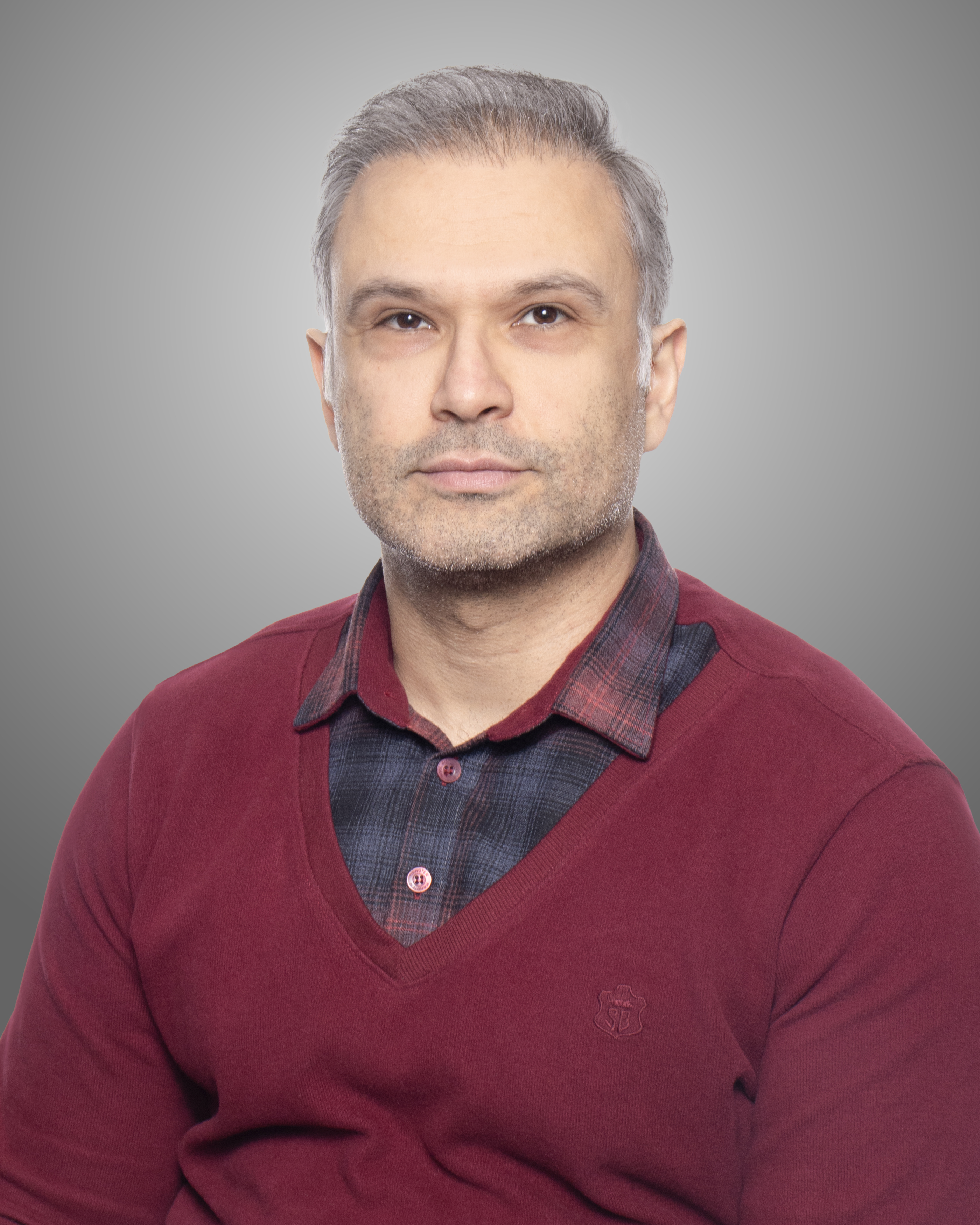
Dr. Jalal Khademi
PhD in Psychology, Depression, Anxiety & Panic Attacks

Lena Ebadi
Intensive Short-Term Dynamic Psychotherapy (ISTDP), Cognitive Behavioral Therapy (CBT), Individual Therapy (Adults)

Dr. Fatemeh Mesgarian
Analytic Psychotherapy, Individual Therapy (Adults), Individual Counseling

Dr. Farzad Rasoulof
Schema Therapy, Cognitive Behavioral Therapy (CBT), Acceptance and Commitment Therapy (ACT)
Other city guides: Los Angeles, Washington, DC, San Francisco