
🇫🇷 Paris
France
The City of Light, for the people who sometimes sit in the dark
Paris makes a promise: beauty, culture, freedom. It keeps it. But behind every lit window in this city there are stories of loneliness, effort and homesickness that almost nobody writes down.
What you get with Emotral
We make the whole path easy, from finding the right therapist to your first session.
- No waiting listChoose your therapist and book an open slot right away.
- 15-minute intro sessionMeet your therapist before you start and see whether it feels right.
- 24/7 supportQuestions about booking, payment or a session? Our team is there.
- Persian-speaking therapistsSomeone who understands your language, culture and migration story.
- Student discountStudents pay less once their student status is verified.
- Simple and fully onlineBook, pay by card and meet over secure video, anywhere in Paris.
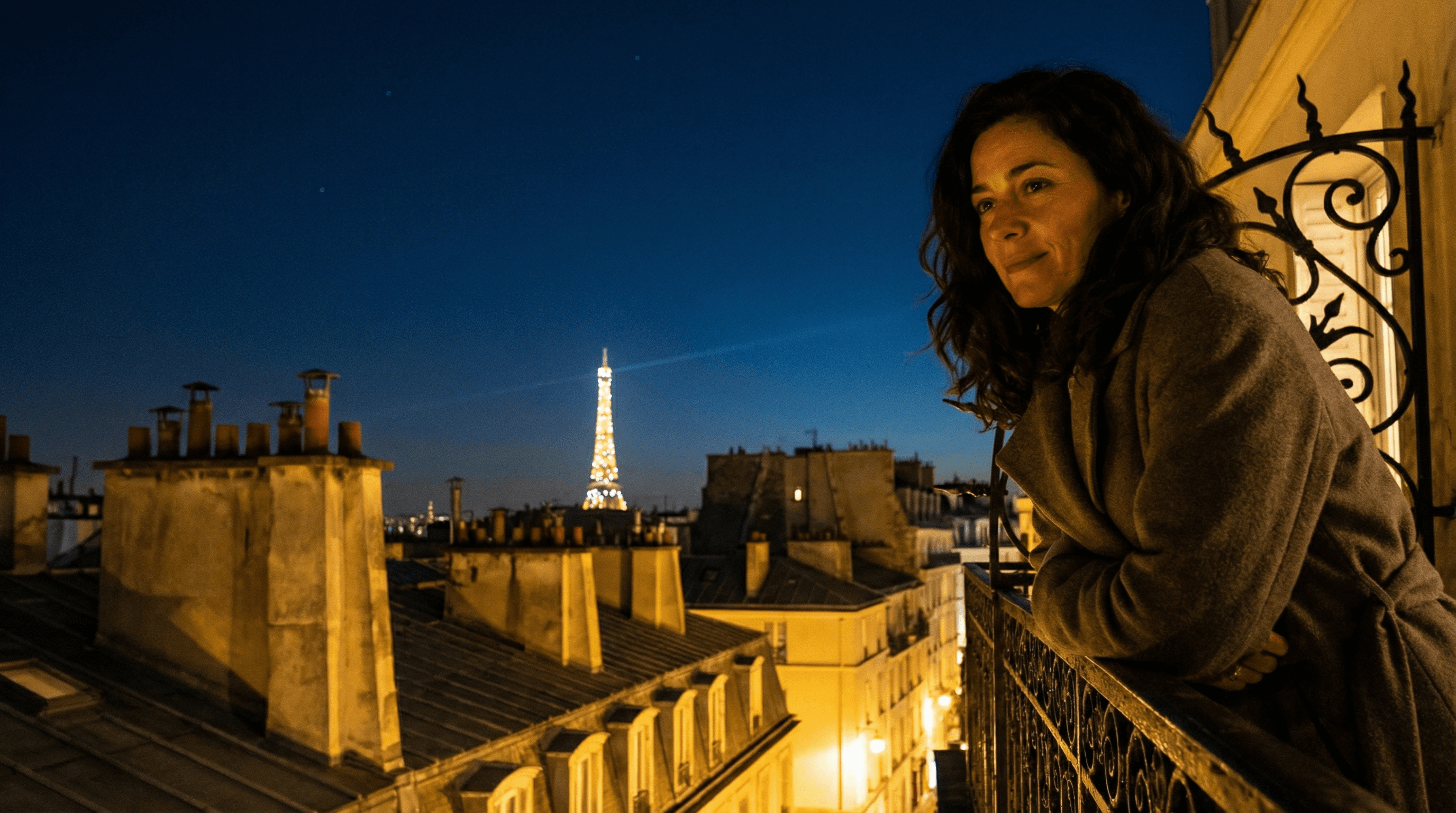
Paris: more beautiful than you pictured, harder than you were told
The Iranian community in Paris is one of the oldest and most culturally established in Europe. Iranian migration to France began well before the revolution, and that long history means the infrastructure of a real community: Persian schools, Nowruz celebrations, Iranian restaurants in neighbourhoods where you can hear Farsi on the street. That history is an asset. It is also, sometimes, a weight.
Iran and France have deep cultural similarities. Both are proud of their language and their history, both have elaborate social manners, both take culture seriously as a public matter. Those similarities can produce moments of real recognition and warmth. They can also make the differences land harder when they arrive, precisely because you were not braced for them.
Paris is genuinely beautiful, and that is not a cliche worth arguing with: dawn over the Seine, the small cafes on the corner, architecture that stops you mid-sentence. But beauty can deepen loneliness rather than relieve it. Being alone in the most beautiful city in the world is a contradiction that works on you.
No French, no welcome
The French hold their language with a particular pride, and for an immigrant the meaning of that pride is unambiguous: without French, a lot of doors stay shut. Speak English in a shop and you may meet a cool look. In an administrative office, French is the only currency. This is not rudeness so much as a part of French national identity, but for somebody in the early stages of learning it produces a steady, wearing sense of being kept outside.
French bureaucracy has a global reputation, and not the flattering kind. CAF, OFII, the prefecture: each is its own world of forms, queues, and conditions that depend on other conditions. For an Iranian who has just arrived, the system can be genuinely grinding. There are days it feels designed to support your leaving rather than your staying.
Laicite, the separation of religion from public life, is taken seriously here, and for Iranians with a defined religious or cultural identity that can be difficult terrain. France's recent anxieties about Islam and the Middle East also shape, at times, how Iranians are seen before they have said anything about themselves.
Between two cultures: not fully Iranian, not fully French
Living in France as an Iranian means holding two value systems that sometimes contradict each other. The Iranian sense of shame, that quiet running calculation of what people will say, sits directly against a strong French individualism. French culture says be yourself. Iranian culture says think of your family and your community. That internal tension is itself a significant source of anxiety, and it does not resolve simply because you decided which side you are on.
Iranian women in Paris often face an identity test that men encounter less. On one side, Paris is a city of freedom, of dress, of individual expression. On the other, there are family expectations that travelled with you. Clothing, social behaviour, who you choose as a partner: in each of these you are asked to find a balance that satisfies everyone, and that balance very often satisfies everyone except you.
Iranian homesickness in France has its own particular flavour. You are walking down a beautiful Paris street, you catch the smell of the air after rain, and you are suddenly in a garden alley in Tehran. That nostalgia is not a weakness and it is not a symptom. It is the part of you that has not agreed to forget where it came from.
What Farsi-speaking newcomers in Paris find hardest
Learning French as the precondition for everything else
French bureaucracy: CAF, OFII, the prefecture
Laicite, and questions of religious or cultural identity
A very high cost of living in Paris
The initial coolness many French people show newcomers
The pull between Iranian and French expectations of a life
Breaking into the job market without strong French
Homesickness, in the most beautiful city in the world
A Farsi-speaking therapist, in the middle of Paris
France is more open to therapy than many countries. What is rare is a therapist who knows France and also understands Iranian culture from the inside. If you are navigating between French laicite and the values you were raised with, having someone who already recognises that conflict is worth a great deal. It lets you stop explaining the background and start on the actual problem, and it makes it possible to see those two worldviews as parts of one complicated identity rather than as enemies.
A Farsi-speaking therapist can also sit with you in the exhaustion of constant translation. Not only translating language: translating culture, every day, in every room. The pressure of proving yourself inside a system that sometimes files you as other, the tiredness of shaping yourself to contradictory expectations. These are real problems, and they respond to real treatment.
Farsi-speaking therapists available to you
Every Emotral session is online, so these therapists — wherever in the world they live — are available to Iranians in Paris, and you see the session time in your own local clock.

Dr. Farzaneh Abroshan
Acceptance and Commitment Therapy (ACT), Schema Therapy, Group Therapy

Dr. Mojgan Shariatpanahi
Individual Therapy (Adults), Family Therapy, Couples Therapy
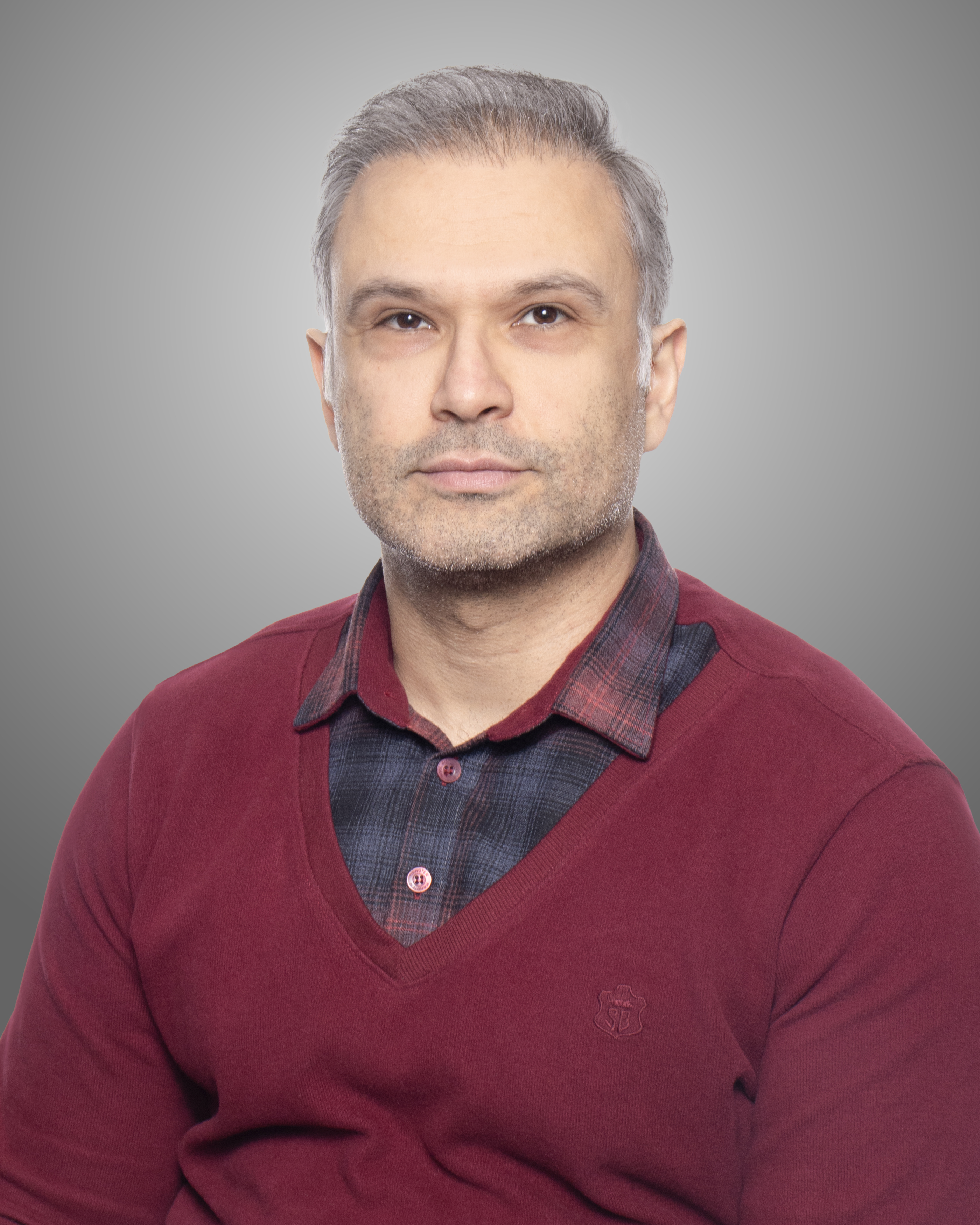
Dr. Jalal Khademi
PhD in Psychology, Depression, Anxiety & Panic Attacks

Lena Ebadi
Intensive Short-Term Dynamic Psychotherapy (ISTDP), Cognitive Behavioral Therapy (CBT), Individual Therapy (Adults)

Dr. Fatemeh Mesgarian
Analytic Psychotherapy, Individual Therapy (Adults), Individual Counseling

Dr. Farzad Rasoulof
Schema Therapy, Cognitive Behavioral Therapy (CBT), Acceptance and Commitment Therapy (ACT)