🇸🇪 Stockholm
Sweden
In the land of northern light, where is the warmth you came with?
Sweden is one of the best countries in the world to live in. The statistics say so. What the statistics do not say is what best means when the sky goes dark at three in the afternoon and your neighbour has not said hello in two years.
What you get with Emotral
We make the whole path easy, from finding the right therapist to your first session.
- No waiting listChoose your therapist and book an open slot right away.
- 15-minute intro sessionMeet your therapist before you start and see whether it feels right.
- 24/7 supportQuestions about booking, payment or a session? Our team is there.
- Persian-speaking therapistsSomeone who understands your language, culture and migration story.
- Student discountStudents pay less once their student status is verified.
- Simple and fully onlineBook, pay by card and meet over secure video, anywhere in Stockholm.

Stockholm: exceptional welfare, difficult connection
Relative to its population, Sweden holds one of the largest Iranian communities in Europe. Iranians in Gothenburg, Malmo and Stockholm have built communities with their own history and culture: mosques, Persian schools, cultural associations. That infrastructure has held generations of Iranian immigrants together. Arriving in Stockholm as an Iranian means entering a community with deep roots.
The Swedish welfare state makes promises that turn out to be real. Free healthcare, good education, a strong support system. And in this same country, with the highest welfare provision in Europe, the rates of loneliness and depression are also high. That contradiction should not surprise anybody: material security does not fill emotional loneliness.
Sweden's integration programmes, the SFI language classes, the employment guidance, are designed to place immigrants inside society. Real integration runs deeper than a language class. Genuine belonging, the sense that this is my place, is the thing no government programme can hand you.
The Swedish winter, and a shadow only you can see
Stockholm's winter is genuinely dark, not as a metaphor but as a measurement. In December there are about six hours of daylight. It is cold outside, grey, and doors are closed. For somebody raised in Iranian sunlight, that darkness is not merely unpleasant, it is a blow to the mind. Seasonal affective disorder is common enough in Sweden that therapy lamps are sold in ordinary pharmacies.
Jantelagen, the unwritten cultural rule that says you should not consider yourself better than anyone else, runs deep in Swedish social character. For Iranians used to expressing feeling, to warmth, to closeness, it can feel like a line drawn through your language. The moment you want to share a real joy with a Swedish colleague and watch them respond with silence is the moment you feel the distance.
Lagom, the right amount, not too much and not too little, is a Swedish philosophy of living. For Iranians raised on Hafez, on loud gatherings, on feelings that get expressed rather than managed, lagom can feel like suffocation. It takes years to enter fika, the calm Swedish coffee ritual, as somebody who is genuinely seen.
Integration: a road nobody hands you a map for
Learning Swedish is the first part of integration, and SFI makes it easier. Knowing Swedish does not guarantee entry into a Swedish social circle. Deep Swedish friendships take years. The immediate closeness that is normal in Iranian culture, inviting someone home after a first meeting, sharing something private early, is unusual here.
Gratitude and resentment at the same time is one of the more complicated feelings immigrants carry in Sweden. On one side, thankfulness towards a country that took you in, a system that works, a future that is possible. On the other, the tiredness of being a guest, of proving yourself, of always having to go one step further than everyone else. Both feelings can exist at once and both are real.
Missing Iranian human warmth in Sweden is its own particular pain. Houses that were always open, parties you could arrive at without an invitation, the sense that you could drink tea in anybody's kitchen. Those are the things you feel the absence of most sharply in a northern country built on silence and distance.
What Farsi-speaking newcomers in Stockholm find hardest
Seasonal depression from up to seventeen hours of winter darkness
Jantelagen, and a culture of not standing out
How hard it is to build real friendships with Swedes
Learning Swedish and getting into the job market
A very high cost of living
The conflict between gratitude and the fatigue of being a guest
Distance from the warmth and closeness of Iranian culture
Navigating Swedish bureaucracy for residency and work
Farsi-language therapy through a Swedish winter
Access to mental health care in Sweden is relatively good. What is rare is a therapist who speaks Farsi and also knows the Iranian immigrant world from close up. A Farsi-speaking therapist can be the bridge between two worlds that do not always talk to each other: your inner Iranian world with all its emotional depth, and the outer Swedish one whose surface is calm and cool. They understand that hale to khoobe means something different from how are you.
Swedish seasonal depression combined with the grief of migration produces a weight considerably heavier than either alone. A Farsi-speaking therapist recognises that combination, and knows that what you are experiencing is neither weakness nor ingratitude towards the country that accepted you. It is an ordinary human response that deserves care, and you deserve to receive it.
Farsi-speaking therapists available to you
Every Emotral session is online, so these therapists — wherever in the world they live — are available to Iranians in Stockholm, and you see the session time in your own local clock.

Dr. Farzaneh Abroshan
Acceptance and Commitment Therapy (ACT), Schema Therapy, Group Therapy

Dr. Mojgan Shariatpanahi
Individual Therapy (Adults), Family Therapy, Couples Therapy
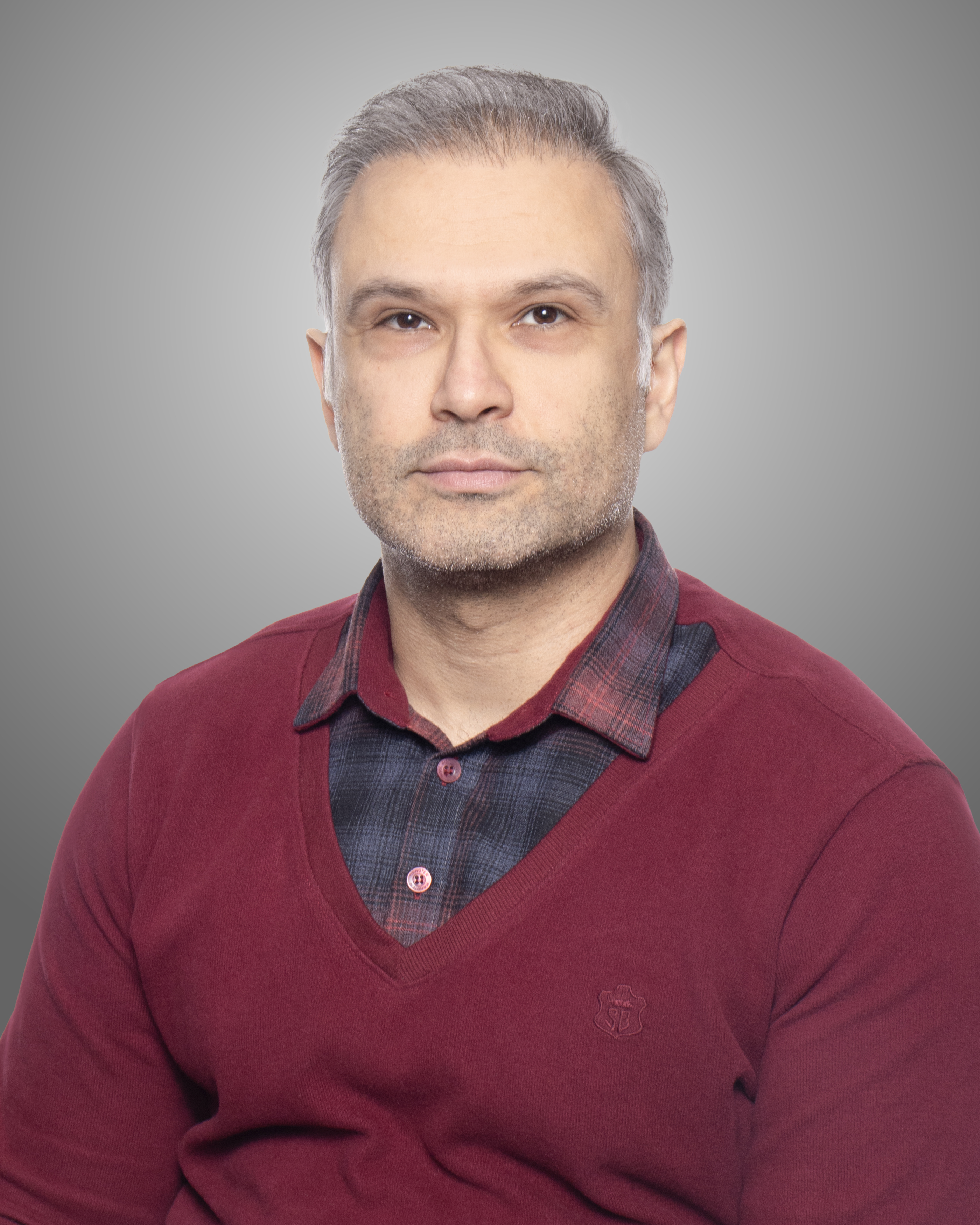
Dr. Jalal Khademi
PhD in Psychology, Depression, Anxiety & Panic Attacks

Lena Ebadi
Intensive Short-Term Dynamic Psychotherapy (ISTDP), Cognitive Behavioral Therapy (CBT), Individual Therapy (Adults)

Dr. Fatemeh Mesgarian
Analytic Psychotherapy, Individual Therapy (Adults), Individual Counseling

Dr. Farzad Rasoulof
Schema Therapy, Cognitive Behavioral Therapy (CBT), Acceptance and Commitment Therapy (ACT)
Other city guides: Gothenburg, Malmö, Uppsala