🇫🇮 Helsinki
Finland
The capital of a country that lives in silence
Finland has held first place in the world happiness rankings for years. That Finnish happiness, rooted in quiet and simplicity, can feel to a louder Iranian like a glass cage.
What you get with Emotral
We make the whole path easy, from finding the right therapist to your first session.
- No waiting listChoose your therapist and book an open slot right away.
- 15-minute intro sessionMeet your therapist before you start and see whether it feels right.
- 24/7 supportQuestions about booking, payment or a session? Our team is there.
- Persian-speaking therapistsSomeone who understands your language, culture and migration story.
- Student discountStudents pay less once their student status is verified.
- Simple and fully onlineBook, pay by card and meet over secure video, anywhere in Helsinki.
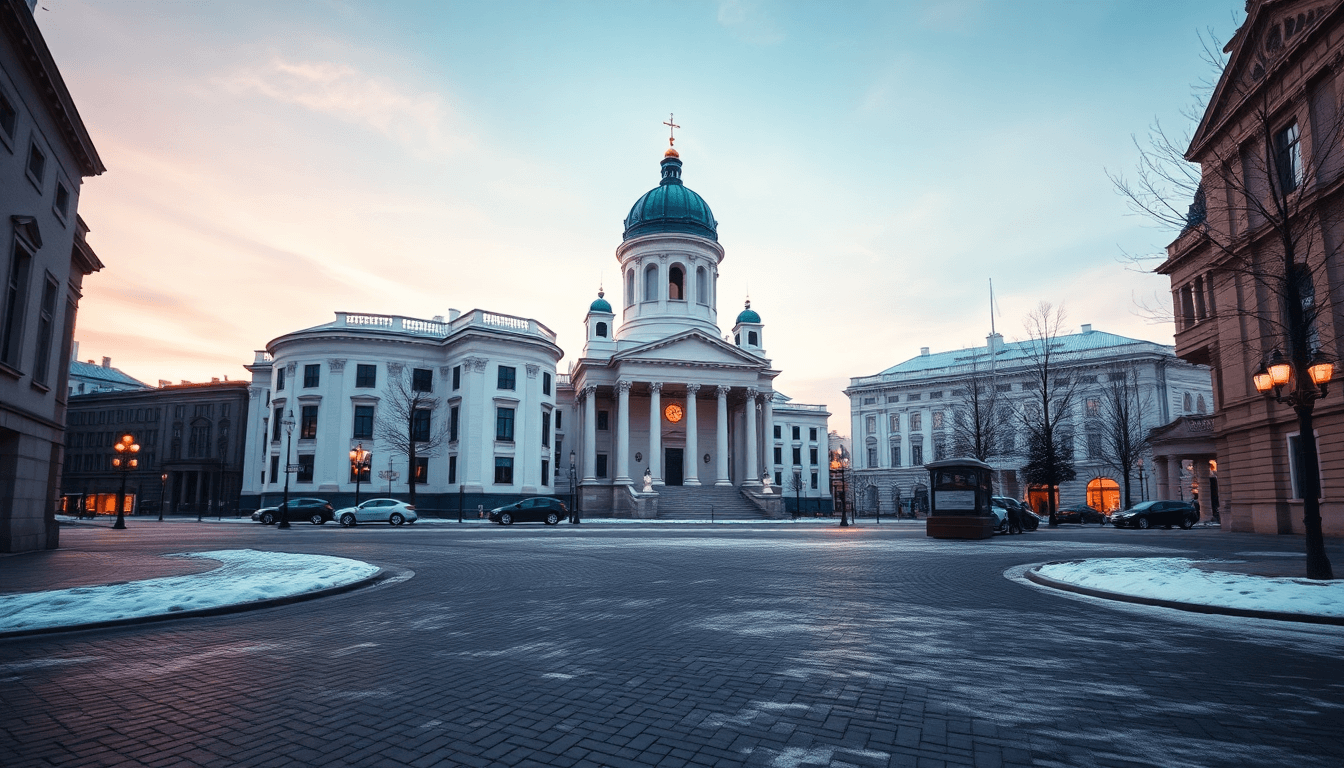
Helsinki: where happiness is defined by quiet
Finland's Iranian community is the smallest of the Nordic countries and it is growing. Helsinki, Tampere and Turku are the main cities. It formed mostly from asylum seekers in the 1980s, families who followed, students at Finnish universities, and a newer wave of technology workers.
Finland offers a strong welfare system, excellent free education, Aalto and the University of Helsinki among them, and a high level of safety. Those opportunities are real and worth having. Public healthcare, if sometimes slow, provides proper coverage in the end. For families with small children, Finland counts among the best destinations in the world.
Helsinki is a small city, around 650,000 people, and that smallness shapes its urban culture. By nine in the evening the central streets can empty noticeably. Shops, restaurants and even the metro close earlier than you would expect. That evening calm is natural to Finns, and for Iranians arriving from a twenty-four-hour city it can produce a real sense of isolation.
Finnish: a language from another planet
Finnish is one of the hardest languages in the world for a Farsi speaker. It does not belong to the Indo-European family at all; its roots are Uralic. Fifteen noun cases, unfamiliar sounds, and a grammar with no resemblance to English, Farsi or French. Even after five years of serious study, reaching a level where you can hold a complex professional conversation is difficult.
The Finnish culture of silence is a genuine phenomenon. Finns respect silence within a conversation. To them it does not signal discomfort; it signals serious thought and respect for the other person. That is fundamentally at odds with Iranian culture, where silence can mean offence or distance. The mismatch produces social misunderstandings that persist.
The Finnish winter can be a severe psychological experience for somebody from Iran. In the north the sun does not rise for weeks. In Helsinki it does rise, and the days are very short and frequently overcast. Seasonal affective disorder is common enough here that a substantial part of local pharmacy stock is dedicated to it.
Integrating into a country not built for integration
Finnish society has historically been very homogeneous. Immigration has increased in recent decades, and the base culture still orients around a single national identity. Real integration therefore asks for more than the language: you have to take on other parts of being Finnish. The sauna, the relationship with nature, the strong respect for other people's personal space.
The sauna is not a leisure activity in Finnish culture, it is a ritual. Working relationships are often formed there and frank conversations happen there. For Iranians accustomed to different norms about dress and bodily privacy, taking part in the sauna can be a real cultural challenge and should not be treated as a small one.
The second generation of Iranians in Finland is often entirely Finnish: Finnish as a first language, Finnish culture as the natural one, and sometimes an emotional distance from their parents' Iranian roots. That generational gap exists in every diaspora, and in Finland, where the cultural differences are sharper, it can run deeper.
What Farsi-speaking newcomers in Helsinki find hardest
Learning Finnish, one of the hardest languages there is
Severe winter darkness and serious seasonal depression
The Finnish culture of silence, and the misunderstandings it creates
A small city, and very quiet evenings
A small Iranian community that is still forming
Integrating into a homogeneous Finnish culture
A sharper generational gap in Iranian-Finnish families
A high cost of living
A Farsi-speaking therapist in the land of silence
Finland's public mental health system provides real coverage and can involve long waits, and Farsi-speaking therapists in person are close to nonexistent given the size of the community. An online Farsi-speaking therapist is, for many Iranians in Finland, the only realistic way to receive care in their own language.
In a culture where silence is a virtue, having one space where you can speak freely, at length, in Farsi, matters more than it would elsewhere. A therapist who understands both the Iranian need to talk things through and the Finnish preference for quiet can help you stop reading that silence as rejection, and can hold the part of you that is still noisy without asking it to become quieter.
Farsi-speaking therapists available to you
Every Emotral session is online, so these therapists — wherever in the world they live — are available to Iranians in Helsinki, and you see the session time in your own local clock.

Dr. Farzaneh Abroshan
Acceptance and Commitment Therapy (ACT), Schema Therapy, Group Therapy

Dr. Mojgan Shariatpanahi
Individual Therapy (Adults), Family Therapy, Couples Therapy
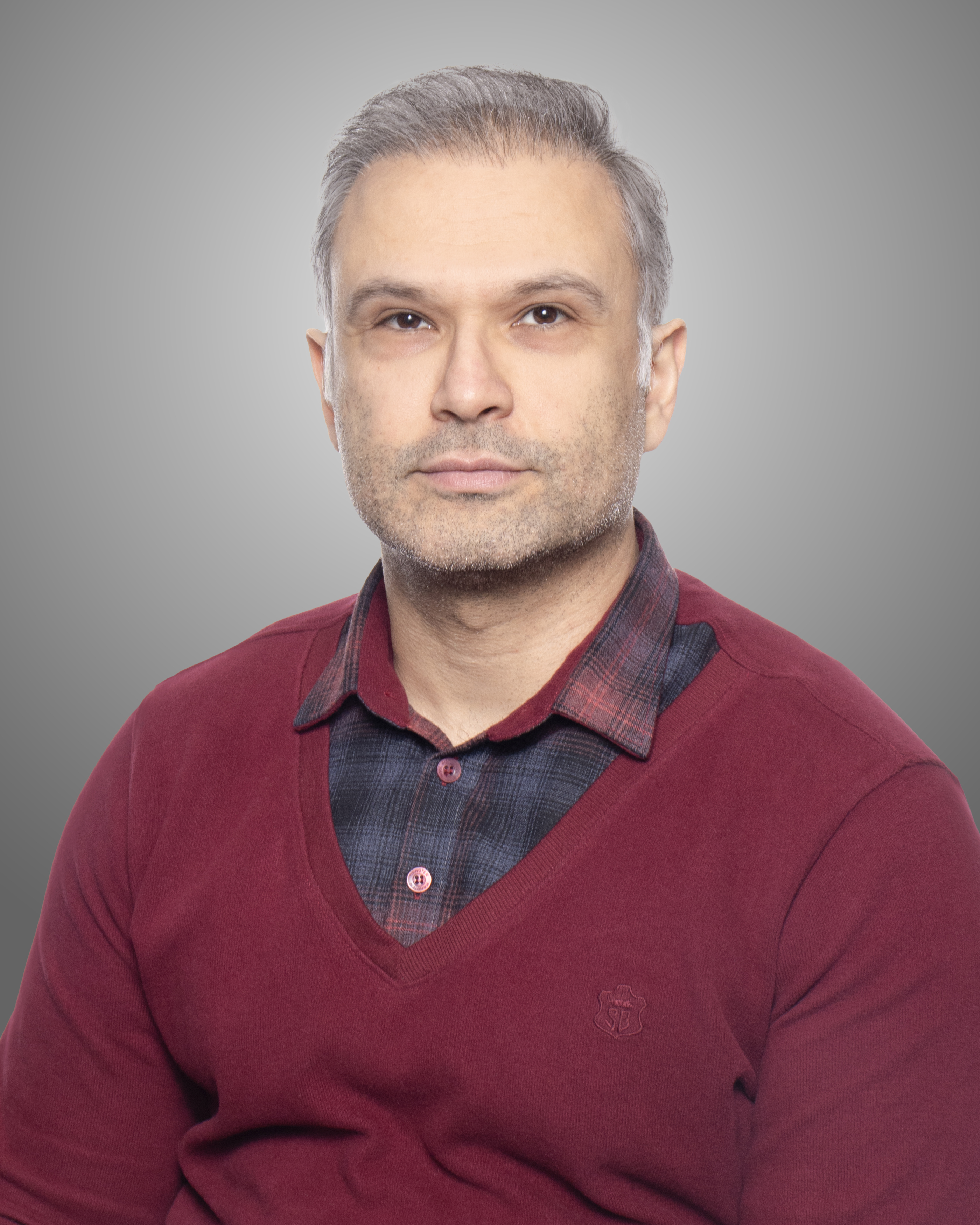
Dr. Jalal Khademi
PhD in Psychology, Depression, Anxiety & Panic Attacks

Lena Ebadi
Intensive Short-Term Dynamic Psychotherapy (ISTDP), Cognitive Behavioral Therapy (CBT), Individual Therapy (Adults)

Dr. Fatemeh Mesgarian
Analytic Psychotherapy, Individual Therapy (Adults), Individual Counseling

Dr. Farzad Rasoulof
Schema Therapy, Cognitive Behavioral Therapy (CBT), Acceptance and Commitment Therapy (ACT)