
🇪🇸 Madrid
Spain
A city full of social life that you are not inside
Madrid is warm, crowded and full of life; the squares stay busy late and dinner starts at ten. For many Iranians that liveliness is why they chose it, and that same liveliness makes loneliness more concentrated when you are outside it.
What you get with Emotral
We make the whole path easy, from finding the right therapist to your first session.
- No waiting listChoose your therapist and book an open slot right away.
- 15-minute intro sessionMeet your therapist before you start and see whether it feels right.
- 24/7 supportQuestions about booking, payment or a session? Our team is there.
- Persian-speaking therapistsSomeone who understands your language, culture and migration story.
- Student discountStudents pay less once their student status is verified.
- Simple and fully onlineBook, pay by card and meet over secure video, anywhere in Madrid.

Loneliness in a city that is not lonely
Loneliness in Stockholm or Amsterdam is one thing: the city is quiet, people go home early, and your solitude matches the general solitude around you.
Loneliness in Madrid is a different thing. Outside your window the tables are full, laughter carries until after midnight, and groups of friends who have known each other for ten years are together. You are on the same street and at none of those tables.
That contrast catches people out. They came looking for warmth and they found it, and seeing is not the same as having. Spanish society is genuinely kind and approachable, and its friendship circles are often held over from school and university. Entering them in your thirties is slow for any newcomer.
Having a name for this helps: the problem is not you, and it is not Spaniards. It is how the relationships are structured.
Registering at the town hall, the health card, and a shortage of psychologists
In Spain access to services starts with registering your address at the town hall; without it, getting a health card and a family doctor is difficult. It is the first thing to do after arriving.
The Spanish public health system is good overall and thin at one specific point: the number of clinical psychologists in the public sector relative to population is among the lowest in Western Europe. A referral is possible, and the gap between appointments often stretches to several weeks or more, so continuous therapeutic work does not really take shape.
That is why most people go private or through private insurance for psychotherapy. Access there is fast and the cost is yours.
Different hours, and a tiredness that is hard to explain
The Spanish daily rhythm differs from most of Europe: late lunch, very late dinner, long evenings. For somebody arriving from Iran that is not especially strange, but if you lived in Germany or the Netherlands first, your body has to reset.
The effect lands on sleep, and sleep lands on mood. Many people feeling restless and short-tempered in the first months assume the problem is emotional, when part of it is simply what time they are going to bed. Check that early, because it is easier to fix than the rest.
What Farsi-speaking newcomers in Madrid find hardest
Loneliness sharpened by contrast with the sociability around you
How hard long-established friendship circles are to enter
A shortage of public-sector clinical psychologists and long gaps between sessions
Access to services depending on registering your address
Resetting sleep to a different daily rhythm
No option for therapy in Farsi
Regular sessions, not one every few weeks
Therapeutic work needs continuity. When appointments are weeks apart you start again each time. You set Emotral sessions weekly or fortnightly yourself, and they stay that way.
And they are in Farsi, which in a city with few Farsi speakers gives something back on its own.
Farsi-speaking therapists available to you
Every Emotral session is online, so these therapists — wherever in the world they live — are available to Iranians in Madrid, and you see the session time in your own local clock.

Dr. Farzaneh Abroshan
Acceptance and Commitment Therapy (ACT), Schema Therapy, Group Therapy

Dr. Mojgan Shariatpanahi
Individual Therapy (Adults), Family Therapy, Couples Therapy
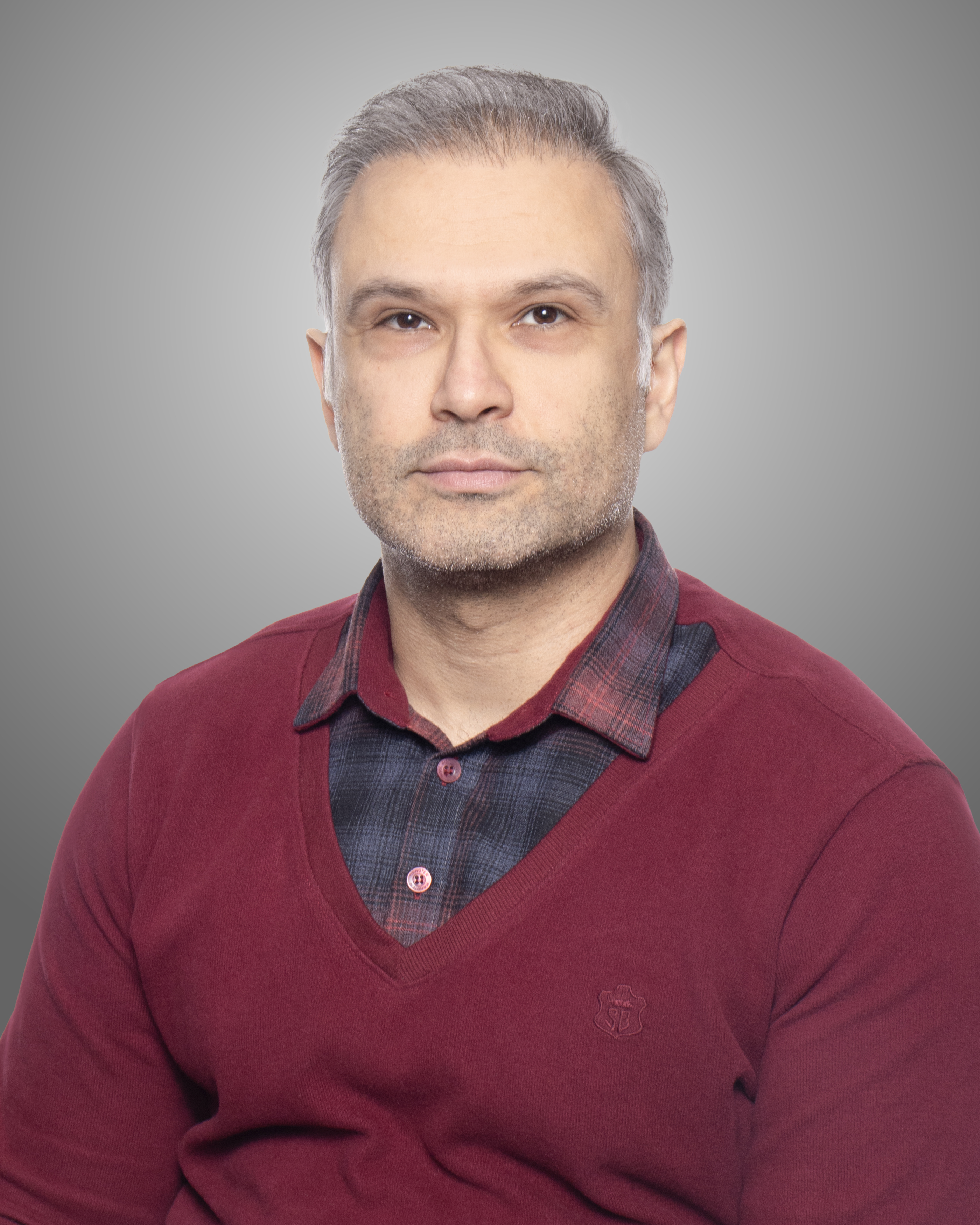
Dr. Jalal Khademi
PhD in Psychology, Depression, Anxiety & Panic Attacks

Lena Ebadi
Intensive Short-Term Dynamic Psychotherapy (ISTDP), Cognitive Behavioral Therapy (CBT), Individual Therapy (Adults)

Dr. Fatemeh Mesgarian
Analytic Psychotherapy, Individual Therapy (Adults), Individual Counseling

Dr. Farzad Rasoulof
Schema Therapy, Cognitive Behavioral Therapy (CBT), Acceptance and Commitment Therapy (ACT)
Other city guides: Barcelona