🇩🇰 Copenhagen
Denmark
The capital of hygge, where happiness has a formula outsiders learn late
Denmark has topped the world happiness rankings for years. That happiness has a specific culture behind it, hygge, tillid, a strong sense of we, and for an immigrant it is at first almost invisible.
What you get with Emotral
We make the whole path easy, from finding the right therapist to your first session.
- No waiting listChoose your therapist and book an open slot right away.
- 15-minute intro sessionMeet your therapist before you start and see whether it feels right.
- 24/7 supportQuestions about booking, payment or a session? Our team is there.
- Persian-speaking therapistsSomeone who understands your language, culture and migration story.
- Student discountStudents pay less once their student status is verified.
- Simple and fully onlineBook, pay by card and meet over secure video, anywhere in Copenhagen.
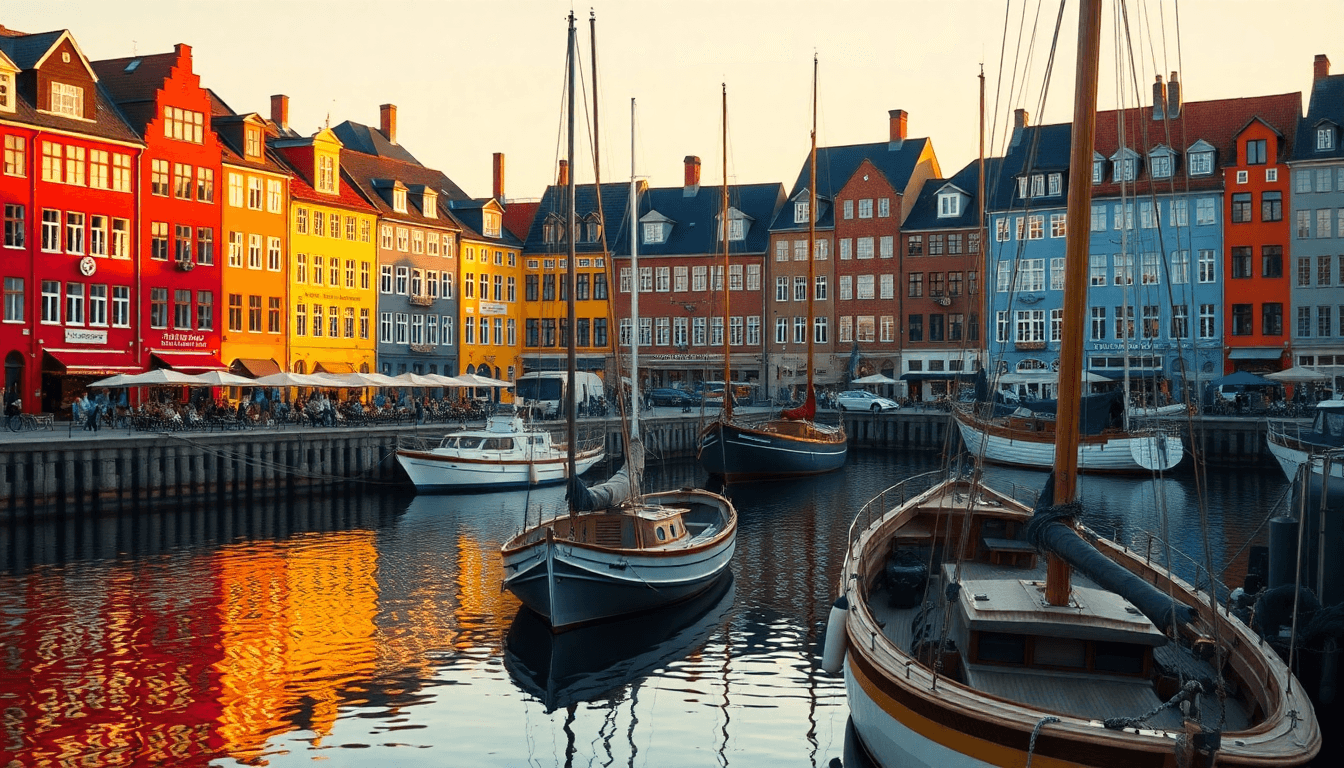
Copenhagen: small, cohesive, oddly comfortable
Denmark's Iranian community is smaller than its Swedish neighbour's and has a real presence. Copenhagen, Aarhus and Odense are the main cities. It spans generations: asylum seekers from the 1980s, working families, students, and a newer wave of digital migrants.
Copenhagen is a city you can cross by bicycle, where people trust the state, and where daily life is calm. The Danish welfare system is one of the strongest anywhere: subsidised childcare, free healthcare, substantial unemployment support. That framework makes a life without chronic financial anxiety possible, which in many countries would count as a luxury.
Hygge, the feeling of warmth and ease in a snug space, is a central cultural idea here. An evening meal with a few candles, a blanket, a book, a cup of coffee. For Iranians raised on crowded gatherings and long noisy evenings, it can seem sweet and it can seem confining. Hygge is peaceful, and it is also quiet.
Danish: written and spoken are two different worlds
Danish is one of the harder Scandinavian languages to learn, not because of the grammar but because of the pronunciation. The sounds, the swallowed consonants, the energy of the spoken language that a non-native ear struggles to parse, make speaking Danish a serious challenge. Even after years of effort, Danes can usually tell that your Danish is not quite complete.
Danish immigration policy has grown stricter in recent years. The rules about being Danish, from integration requirements to citizenship conditions, can feel heavy and at times humiliating. That political atmosphere affects an immigrant's general morale even when it does not touch them personally.
Danes live the Jante Law: do not consider yourself better than others. That culture of restraint, common across the Nordic countries, contradicts an Iranian culture that sometimes leaves real room for expressing achievement and family pride. An Iranian immigrant has to learn how to talk about their successes in a way that does not read as inappropriate here.
When the Danish we is hard to be included in
Denmark is a society with unusually high social trust. People wait in queues, bicycles are left unlocked, children play in parks unsupervised. That trust is one of the loveliest things about living here. But the sense of we is frequently a closed we: to enter it properly you have to become Danish, and becoming Danish is a long cultural process rather than a legal one.
Friendship with Danes moves slowly, as it does across the Nordic countries. In the first year they greet you politely from a distance. In the second you may be invited for a coffee. In the third, perhaps to dinner. For Iranians used to inviting somebody home after a first meeting, that rhythm can feel cold and even insulting.
Danish holidays and rituals, Jul, Fastelavn, Sankt Hans, are part of the national identity. Iranians who take them up usually integrate more easily, and that acceptance comes with a sense of losing Iranian rituals in exchange. A second generation growing up with both Nowruz and Jul carries a doubled identity that is beautiful and, at times, complicated.
What Farsi-speaking newcomers in Copenhagen find hardest
Danish pronunciation, which is genuinely hard to acquire
Strict immigration policy and the political atmosphere around it
Jante Law, and restraint about expressing success
A high cost of living, especially in Copenhagen
Danish friendships that take years to form
Winter darkness and seasonal depression
The gap between gratitude and the fatigue of integrating
Keeping an Iranian identity alive in your children
A Farsi-speaking therapist in the land of hygge
Denmark is culturally more aware about mental health than many countries, and Farsi-speaking therapists in person are very limited. An online Farsi-speaking therapist fills that gap and gives you a space to talk about life in Denmark in the language your feelings are actually in.
Therapy for an Iranian in Denmark often circles a paradox: why, in a country that ranks at the top for happiness, do I not feel happy? That question needs a cultural answer as much as a psychological one. A therapist who knows both Iranian and Danish culture can help you see that personal happiness does not always match the statistical kind, and that this is not a failure on your part.
Farsi-speaking therapists available to you
Every Emotral session is online, so these therapists — wherever in the world they live — are available to Iranians in Copenhagen, and you see the session time in your own local clock.

Dr. Farzaneh Abroshan
Acceptance and Commitment Therapy (ACT), Schema Therapy, Group Therapy

Dr. Mojgan Shariatpanahi
Individual Therapy (Adults), Family Therapy, Couples Therapy
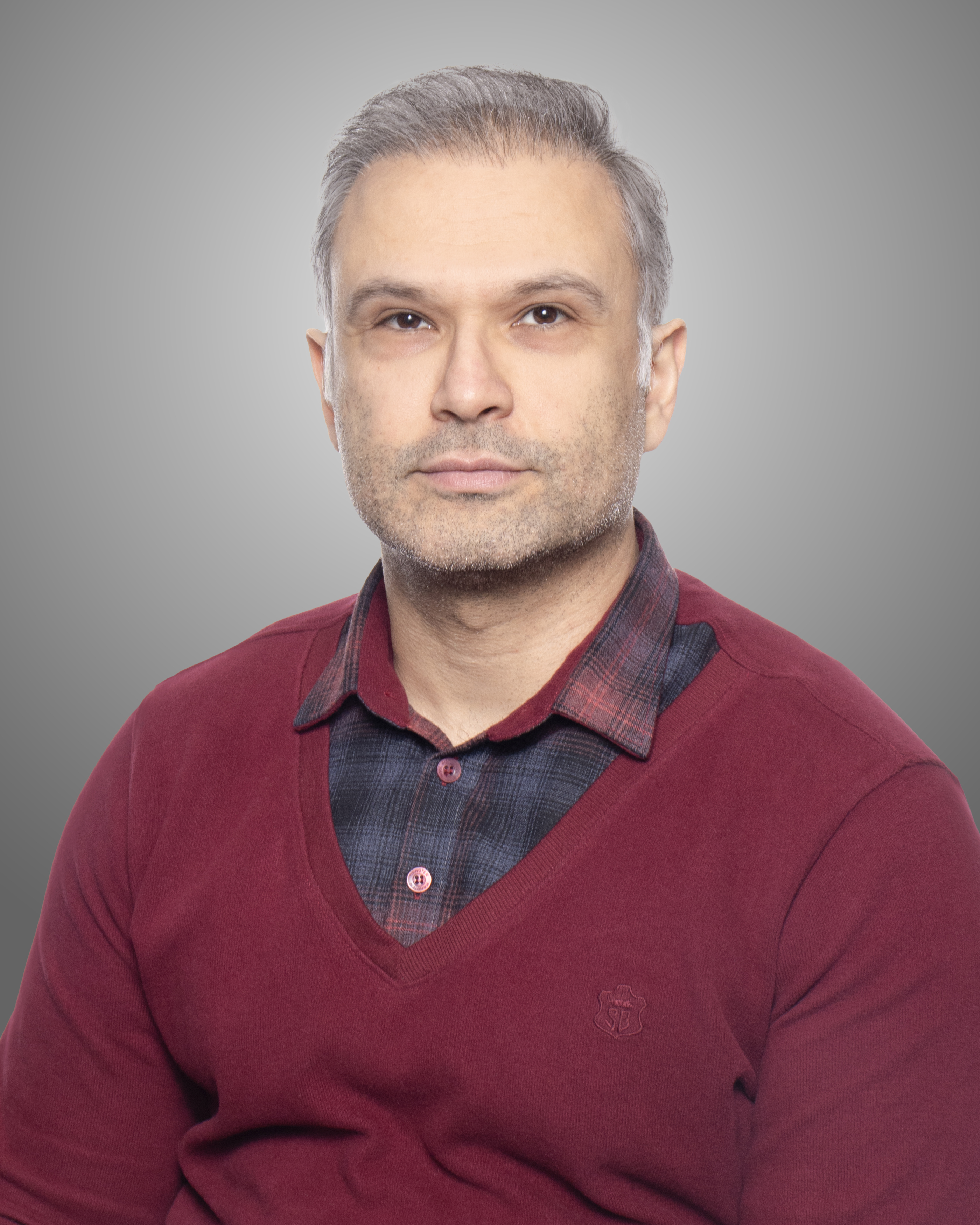
Dr. Jalal Khademi
PhD in Psychology, Depression, Anxiety & Panic Attacks

Lena Ebadi
Intensive Short-Term Dynamic Psychotherapy (ISTDP), Cognitive Behavioral Therapy (CBT), Individual Therapy (Adults)

Dr. Fatemeh Mesgarian
Analytic Psychotherapy, Individual Therapy (Adults), Individual Counseling

Dr. Farzad Rasoulof
Schema Therapy, Cognitive Behavioral Therapy (CBT), Acceptance and Commitment Therapy (ACT)