🇨🇦 Toronto
Canada
The unofficial capital of Iranian Canada, where everybody knows everybody
Toronto is home to the largest Iranian community in Canada: hundreds of thousands of people across the GTA. That density means you are never alone. It also means, sometimes, that everyone is watching.
What you get with Emotral
We make the whole path easy, from finding the right therapist to your first session.
- No waiting listChoose your therapist and book an open slot right away.
- 15-minute intro sessionMeet your therapist before you start and see whether it feels right.
- 24/7 supportQuestions about booking, payment or a session? Our team is there.
- Persian-speaking therapistsSomeone who understands your language, culture and migration story.
- Student discountStudents pay less once their student status is verified.
- Simple and fully onlineBook, pay by card and meet over secure video, anywhere in Toronto.
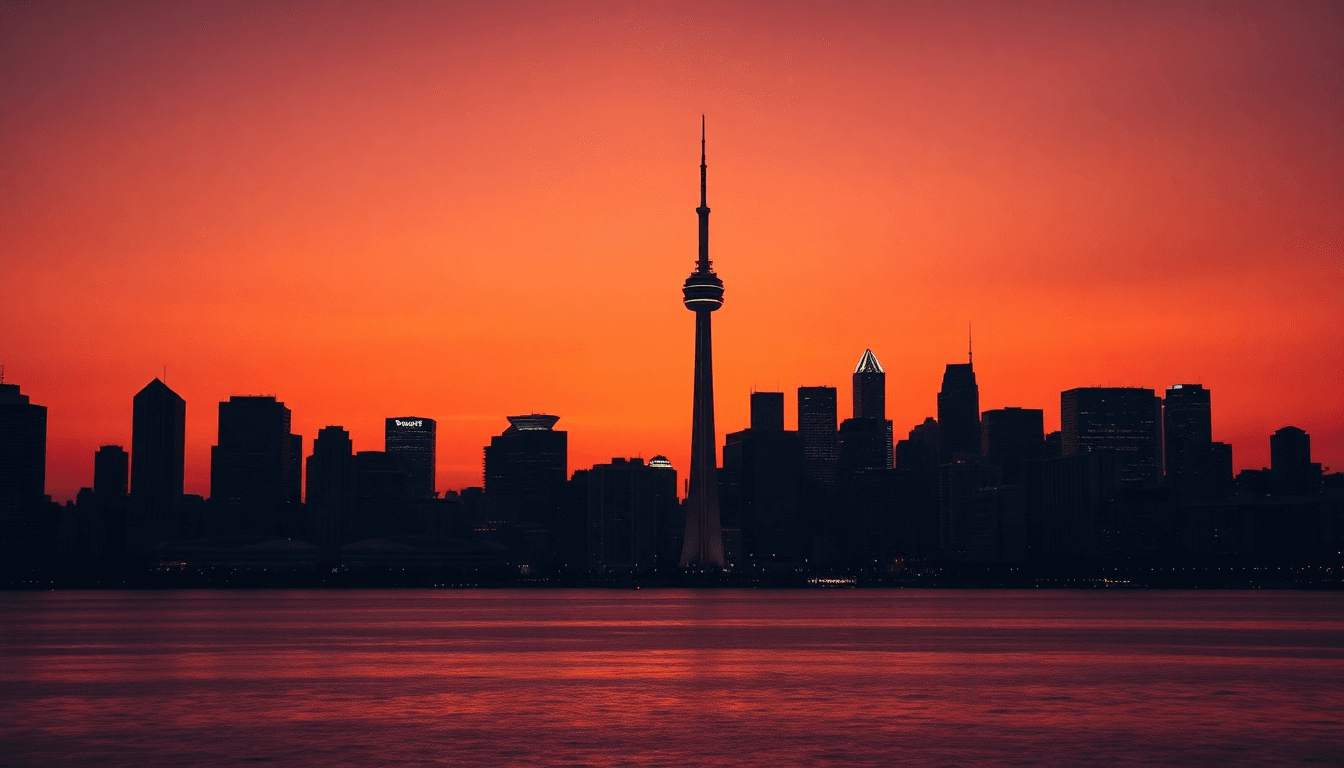
Toronto: where a second Iran got built
Toronto and the GTA hold one of the largest Iranian communities anywhere outside Iran. Richmond Hill, Thornhill, North York, Yonge and Finch: for many Iranians these neighbourhoods have become a small Iran. The stretch of Yonge between Steeles and Centre is a corridor where you can spend an entire day in Farsi. Bakery, restaurant, hairdresser, dentist, accountant, lawyer, Persian school, all of it within reach.
The community is large enough to have its own internal subdivisions. Northern Iranians, Tehranis, Azeris, Shirazis, Isfahanis, Gilakis, each with their own networks. That variety is a real richness, and it also draws quiet boundaries. Families from the same city tend to find each other first.
The first wave of Iranian migration to Toronto began in the 1980s, and a third generation is taking shape now. That generational depth means a wide infrastructure of businesses, media, cultural associations, and Farsi-language education. Toronto is one of very few cities in the world where you can raise your children in a school whose unofficial second language is Persian.
When a large community starts to feel heavy
Toronto's housing crisis has reached a genuinely critical point. A two-bedroom apartment in the Iranian neighbourhoods easily passes three thousand dollars a month, and buying a house has become close to impossible for younger families. That financial pressure, combined with a community expectation that success should be visible, is one of the main sources of chronic stress for Iranians here.
What people will say carries particular weight in Toronto, because the community is large enough that everything becomes a story and dense enough that the stories travel fast. Your child's wedding, your brother's divorce, your friend's son's job: all of it moves through WhatsApp groups, social media and parties. That informal social surveillance can be suffocating, especially for people who left Iran looking for freedom from exactly those watching eyes.
Toronto traffic is legendary. A daily commute can easily consume three hours. That lost time, combined with long working hours and financial pressure, turns ordinary life into a tiring marathon. Time for family, for friends, for yourself, simply runs short.
Three generations, three versions of being Iranian
The Iranian community in Toronto is living three generations at once. The first, who arrived from the 1980s onwards, often still live in two worlds, with strong memories of pre-revolution Iran and a steady effort to pass that inheritance down to their grandchildren. The second, who came young or grew up here, live inside a bilingual and bicultural identity that is rich some days and confusing on others.
The third generation, the grandchildren of the first arrivals, face something different again. Iran is a foreign country whose stories they have heard but not lived. Their Farsi is weaker, and they view the Iranian community of Toronto and its traditions from the outside. That generational distance is one of the quieter sources of pain in Iranian-Canadian families.
Toronto has adopted multiculturalism as the city's official identity. On a single subway line you can hear Farsi, Mandarin, Hindi, Arabic, Ukrainian and Spanish. That living variety gives children exceptional cultural opportunities, and it worries parents who want their children to stay Iranian.
What Farsi-speaking newcomers in Toronto find hardest
The housing crisis and a cost of living that keeps climbing
What people will say, inside a very dense and well-connected community
Heavy traffic and long daily commutes
Family pressure for success that can be seen from outside
Generational tension in three-generation families
The effort of keeping Farsi alive for second- and third-generation children
Long winters and seasonal depression
The fatigue of living inside a parallel Iran, with all its pressures
A Farsi-speaking therapist inside the GTA
Toronto has plenty of Iranian therapists, and that is exactly where a particular difficulty starts. The Iranian professional network here is relatively small, so there is a real chance your therapist knows somebody in your family, your friends, or your workplace. Even where professional ethics are followed perfectly, that awareness sits in the room and can stop you opening up. An online Farsi-speaking therapist who is not part of your local social network gives you a more genuinely private space.
Therapy for an Iranian in Toronto often circles one central question: how do I stay inside this community without becoming what it wants me to be? That pull between belonging and independence is one of the most complicated problems of life in a dense diaspora. A therapist who understands the dynamic can help you draw the line between the community and yourself in a way that holds.
Farsi-speaking therapists available to you
Every Emotral session is online, so these therapists — wherever in the world they live — are available to Iranians in Toronto, and you see the session time in your own local clock.

Dr. Fatemeh Mesgarian
Based in Canada
Analytic Psychotherapy, Individual Therapy (Adults), Individual Counseling

Dr. Farzad Rasoulof
Based in Canada
Schema Therapy, Cognitive Behavioral Therapy (CBT), Acceptance and Commitment Therapy (ACT)

Masoud Ahmadi
Based in Canada
Intensive Short-Term Dynamic Psychotherapy (ISTDP), Analytic Psychotherapy, Individual Therapy (Adults)

Dr. Farzaneh Abroshan
Acceptance and Commitment Therapy (ACT), Schema Therapy, Group Therapy

Dr. Mojgan Shariatpanahi
Individual Therapy (Adults), Family Therapy, Couples Therapy
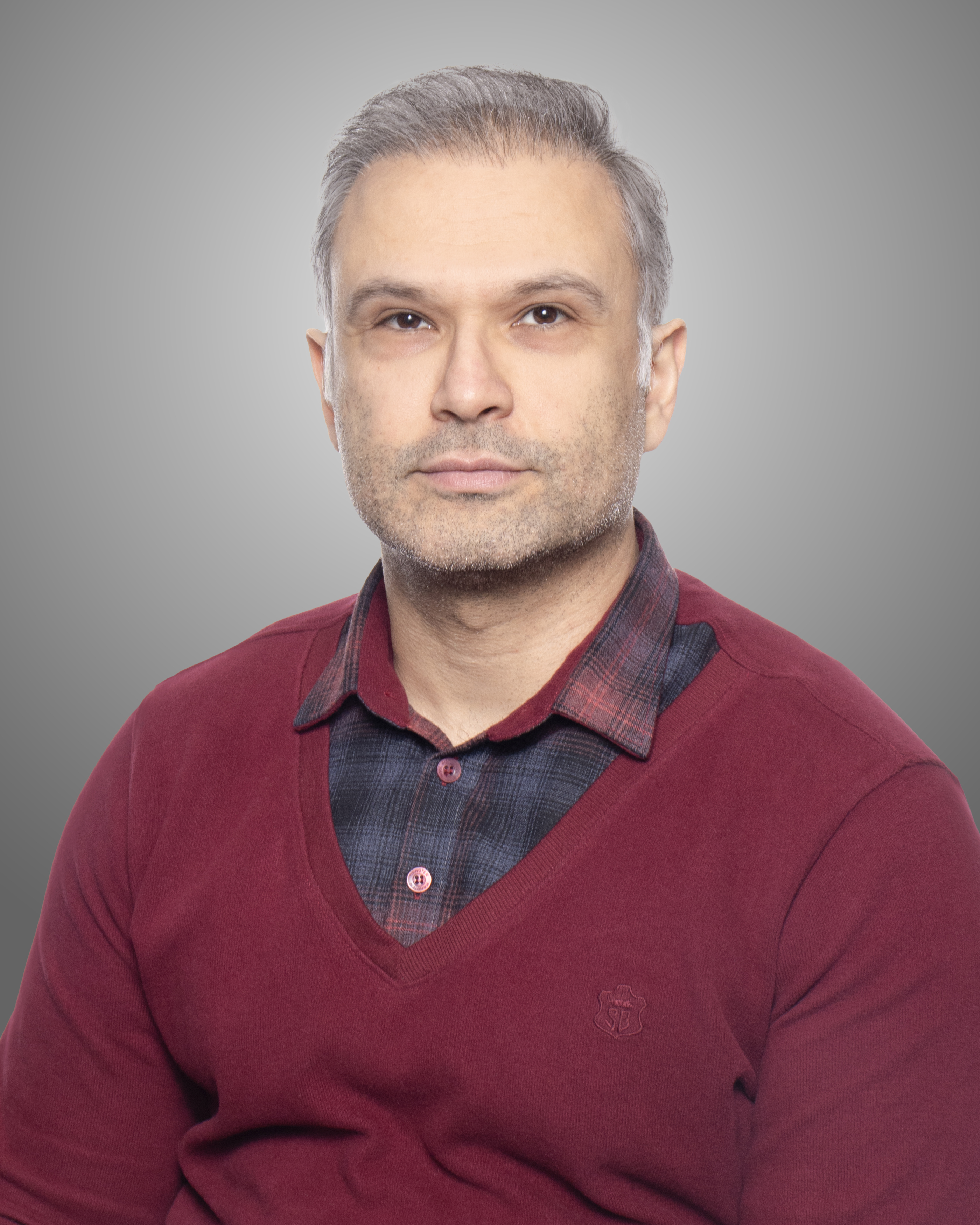
Dr. Jalal Khademi
PhD in Psychology, Depression, Anxiety & Panic Attacks