
🇦🇪 Dubai
United Arab Emirates
In a city where everything shines, how you actually feel still matters
Dubai is a familiar choice for many Iranians: close to home, full of Farsi speakers, full of opportunity. Living in a city defined by speed and shine has its own pressures. Emotral sessions are entirely online, and our Farsi-speaking therapists, wherever in the world they are, schedule around Dubai local time.
What you get with Emotral
We make the whole path easy, from finding the right therapist to your first session.
- No waiting listChoose your therapist and book an open slot right away.
- 15-minute intro sessionMeet your therapist before you start and see whether it feels right.
- 24/7 supportQuestions about booking, payment or a session? Our team is there.
- Persian-speaking therapistsSomeone who understands your language, culture and migration story.
- Student discountStudents pay less once their student status is verified.
- Simple and fully onlineBook, pay by card and meet over secure video, anywhere in Dubai.

Living in Dubai: close to home, far from calm?
Dubai is not a strange place for Iranians. Iranian merchants have had ties to this city for a very long time, and the historic Bastakiya quarter with its wind towers still recalls that old connection to the southern Iranian ports. Today Farsi is easy to hear in the malls, the Iranian restaurants and the company offices, and the flight home is short. That closeness sets Dubai apart from most migration destinations: you can go back for Nowruz, and your family can come to you.
That same closeness can be deceptive. Many people arrive thinking Dubai is not really being far from home, and then discover that homesickness and rootlessness have nothing to do with kilometres. Life here is usually tied to a residency that depends on a job; very few people feel they are here for good. That permanent temporariness makes deep friendships and long-term plans difficult. Why put down roots when you do not know where you will be next year?
The Iranian community in Dubai is varied too, from old merchant families to young professionals who arrived last year. That variety is an opportunity, and it does not always take the place of one close, coherent community.
The pressures the shop window does not show
Dubai is a city of comparison. The cars, the brands, the photographs; everything is arranged so that success gets measured in possessions. For many Iranians here, that constant comparison turns into a quiet permanent anxiety: the feeling that whatever you have is not enough and that you could fall behind at any moment.
Work pressure is real too. Long hours, sharp competition, and the knowledge that your residency is attached to your job, which means losing that job is not only a career event. It puts your entire life in this city in question. That hidden insecurity stays in the background even when everything is going well.
Then the heat: for part of the year it is severe enough to limit time outdoors and ordinary daily activity, which affects how some people live and how isolated they feel.
In that environment, talking about not being well is still taboo for many people. In a city where everyone looks successful, saying I am not okay takes courage.
Why an online session works well for people in Dubai
Dubai may not be short of counsellors and psychologists, and therapy in your mother tongue is a different thing. When you talk about aberu, about taarof, about family pressure, you do not want to have to translate your culture first. An online session in Farsi means that from the first minute you are talking about the problem itself, not about its background.
What Farsi-speaking newcomers in Dubai find hardest
A culture of comparison and pressure to display success
Residency tied to a job, and the hidden insecurity that creates
A sense of being temporary, and how hard deep relationships become
Severe heat and months of living indoors
Long working hours and intense competition
Mental health still being a taboo subject
Missing family despite the short distance
A high cost of living and financial pressure
Why a Farsi-speaking therapist for Iranians in Dubai
A Farsi-speaking therapist does not need to live in Dubai to understand your life in Dubai. Emotral's therapists have lived migration and life between two cultures themselves, and know the challenges Iranians abroad face closely, from family pressure to questions of identity. Sessions are online, and from your home in Dubai you choose a therapist who fits your need, your language and your hours.
When therapy happens in your mother tongue, the nuance survives. You can speak the way you think, with all the expressions, the jokes and the meaningful silences. For anxiety, relationships, family and burnout, sharing a language is itself part of the treatment.
Farsi-speaking therapists available to you
Every Emotral session is online, so these therapists — wherever in the world they live — are available to Iranians in Dubai, and you see the session time in your own local clock.

Dr. Farzaneh Abroshan
Acceptance and Commitment Therapy (ACT), Schema Therapy, Group Therapy

Dr. Mojgan Shariatpanahi
Individual Therapy (Adults), Family Therapy, Couples Therapy
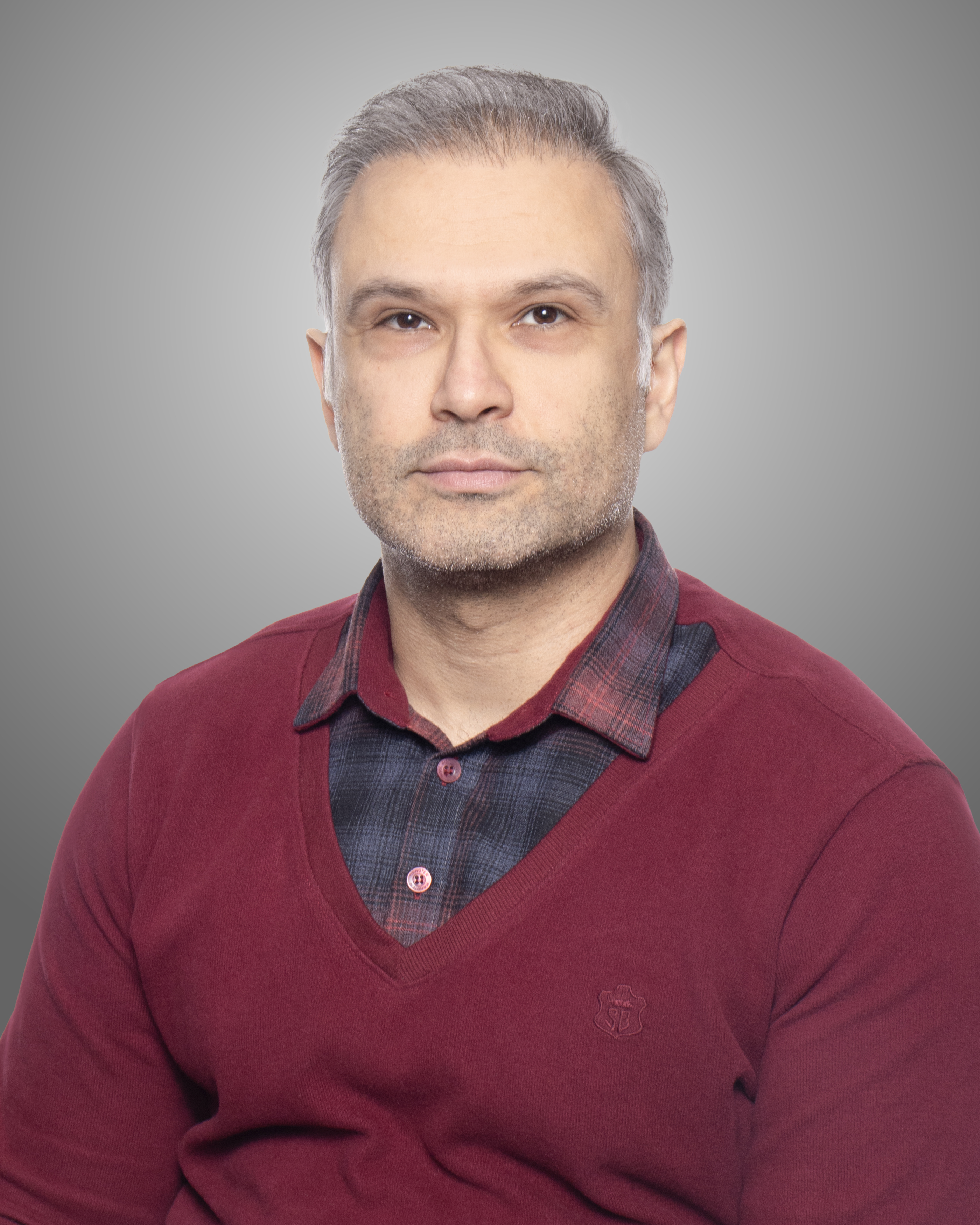
Dr. Jalal Khademi
PhD in Psychology, Depression, Anxiety & Panic Attacks

Lena Ebadi
Intensive Short-Term Dynamic Psychotherapy (ISTDP), Cognitive Behavioral Therapy (CBT), Individual Therapy (Adults)

Dr. Fatemeh Mesgarian
Analytic Psychotherapy, Individual Therapy (Adults), Individual Counseling

Dr. Farzad Rasoulof
Schema Therapy, Cognitive Behavioral Therapy (CBT), Acceptance and Commitment Therapy (ACT)
Common questions
Can I use Emotral from Dubai?
Yes. Emotral sessions are entirely online by video and can be used from Dubai and anywhere in the UAE. Register, choose a therapist, and book a session time in Dubai local time.
Do Emotral therapists live in Dubai?
Emotral's therapists live in a range of countries and none of them currently live in the UAE. Sessions are online, so where a therapist lives has no effect on the quality of the session or your access to it.
Are session times matched to Dubai time?
Yes. The booking calendar shows each therapist's available times in your own local time. Dubai time is close to Iran and Central Europe, so most therapists have hours that suit people in the UAE.
Are sessions confidential?
Yes. Sessions are held over encrypted video and your information stays confidential with Emotral. There is no clinic to attend, and you take the session from wherever you feel safe.
How do I find the right therapist for me?
You can browse the Farsi-speaking therapists by specialism, anxiety, depression, relationships and others, or complete Emotral's short intake form to be matched with a few therapists suited to your situation.
How do I pay for sessions?
Payment is online by international bank card. You see the price of each session, in the right currency for the country you live in, before you book.
Farsi-speaking therapists for Iranians across United Arab Emirates
Other city guides: Abu Dhabi