🇨🇦 Vancouver
Canada
Between the mountains and the sea, where the community is large and so is the loneliness
Vancouver holds one of the densest Iranian communities outside Iran. Having your compatriots nearby does not by itself solve loneliness. Sometimes it only changes its shape.
What you get with Emotral
We make the whole path easy, from finding the right therapist to your first session.
- No waiting listChoose your therapist and book an open slot right away.
- 15-minute intro sessionMeet your therapist before you start and see whether it feels right.
- 24/7 supportQuestions about booking, payment or a session? Our team is there.
- Persian-speaking therapistsSomeone who understands your language, culture and migration story.
- Student discountStudents pay less once their student status is verified.
- Simple and fully onlineBook, pay by card and meet over secure video, anywhere in Vancouver.
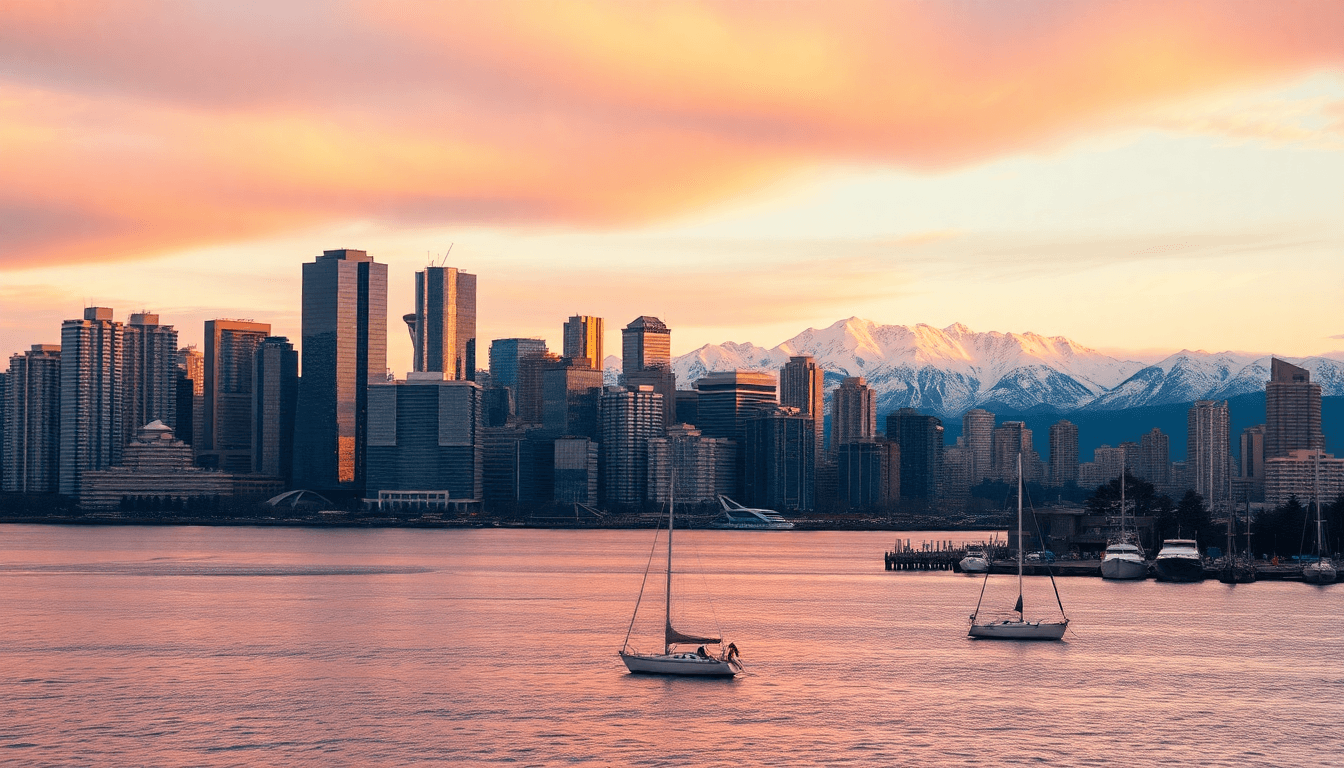
Vancouver: the northern Tehrangeles
For many Iranians, North and West Vancouver are not a neighbourhood so much as a small Iranian city. Lonsdale, Upper Lonsdale, Park Royal: places where you can spend a whole day in Farsi. Iranian bakery, restaurant, doctor, accountant, hairdresser, all Persian-speaking. To someone arriving from the cultural loneliness of other big cities, this northern Tehrangeles looks at first like a small miracle.
But that density is as challenging as it is comforting. When everybody lives in one neighbourhood, the neighbours' eyes weigh more. The what-will-people-say you brought from Iran is reproduced here with more force, not less. News travels fast, comparisons are merciless, and social expectations about the car, the house, what your children do for a living can be suffocating.
From outside, Vancouver looks like an ideal city: mountains you can ski in winter, the Pacific in summer, nature within reach. The people who live here know the price of that paradise is steep, in money and in the psychological effort of building a life in one of the most expensive cities in the world.
The housing crisis, and a pressure that never lets go
Vancouver has ranked among the least affordable cities in the world for years. An average house in West Vancouver can run to several million dollars, and even a two-bedroom rental in central areas passes three thousand a month without difficulty. Iranian families who emigrated for their children's future sometimes find themselves in a financial trap: staying is hard, leaving is harder.
That pressure casts a shadow over everything. Marriages, parenting, sleep, physical health. Parents working double shifts, teenagers meeting the phrase we cannot afford it for the first time, and the chronic sense that something large is always waiting behind you. These are daily realities for many Iranians in Vancouver.
Vancouver weather has its own mythology. Winter here is not snow, it is rain. Months of uniform cloud, constant damp, days when the sky is grey from morning to night. That endless-rain pattern produces a particular kind of seasonal depression, different from the snow-and-cold version: less dramatic, and much longer.
A large community, and relationships that stay shallow
One of the unspoken things about the Iranian community in Vancouver is that despite its size, the bonds between its members can be thin. Families stay inside their own small circles, the Facebook and WhatsApp groups fill with advertising and arguments, and the feeling of a real community that smaller cities sometimes have is often missing here.
First-generation immigrants are frequently absorbed in their own work and family networks and let opportunities for new friendship pass. The second generation, raised here or brought young, wrestle with a doubled identity: Farsi at home, English at school, and questions in adolescence their parents have no ready answer for.
Cross-cultural marriages, divorces, the family pressure to look correct in the community's eyes: all of these are felt more sharply in Vancouver, because the community is large enough for the eyes to stay on you and small enough that every event becomes a story. That social contradiction is one of the main sources of psychological exhaustion for Iranians here.
What Farsi-speaking newcomers in Vancouver find hardest
One of the most expensive housing markets in the world
Chronic financial pressure even on two-income families
Seasonal depression from months of continuous rain
Intense social pressure inside a large but sometimes judgemental community
Distance from family and a large time difference with Iran
Identity questions for the second Iranian-Canadian generation
How hard deep friendship is, despite the size of the community
Adapting to a spread-out, car-dependent way of living
Why an online Farsi-speaking therapist in Vancouver
There are Iranian therapists practising in person in Vancouver, usually with long waiting lists and prices that are heavy even on a Canadian income. An online Farsi-speaking therapist removes those limits: availability now, flexible hours, and one further advantage that matters more than it sounds. Your therapist does not live inside the community whose eyes you are worried about. For many Iranians in Vancouver, that distance is genuinely freeing.
A therapist who is not part of the local Iranian community, but understands it, is in an unusual position: they can work with you without judgement and without being entangled in local social politics. They can help you recognise the social pressure you brought from Iran and that Vancouver intensified, name it, and eventually put it down.
Farsi-speaking therapists available to you
Every Emotral session is online, so these therapists — wherever in the world they live — are available to Iranians in Vancouver, and you see the session time in your own local clock.

Dr. Fatemeh Mesgarian
Based in Canada
Analytic Psychotherapy, Individual Therapy (Adults), Individual Counseling

Dr. Farzad Rasoulof
Based in Canada
Schema Therapy, Cognitive Behavioral Therapy (CBT), Acceptance and Commitment Therapy (ACT)

Masoud Ahmadi
Based in Canada
Intensive Short-Term Dynamic Psychotherapy (ISTDP), Analytic Psychotherapy, Individual Therapy (Adults)

Dr. Farzaneh Abroshan
Acceptance and Commitment Therapy (ACT), Schema Therapy, Group Therapy

Dr. Mojgan Shariatpanahi
Individual Therapy (Adults), Family Therapy, Couples Therapy
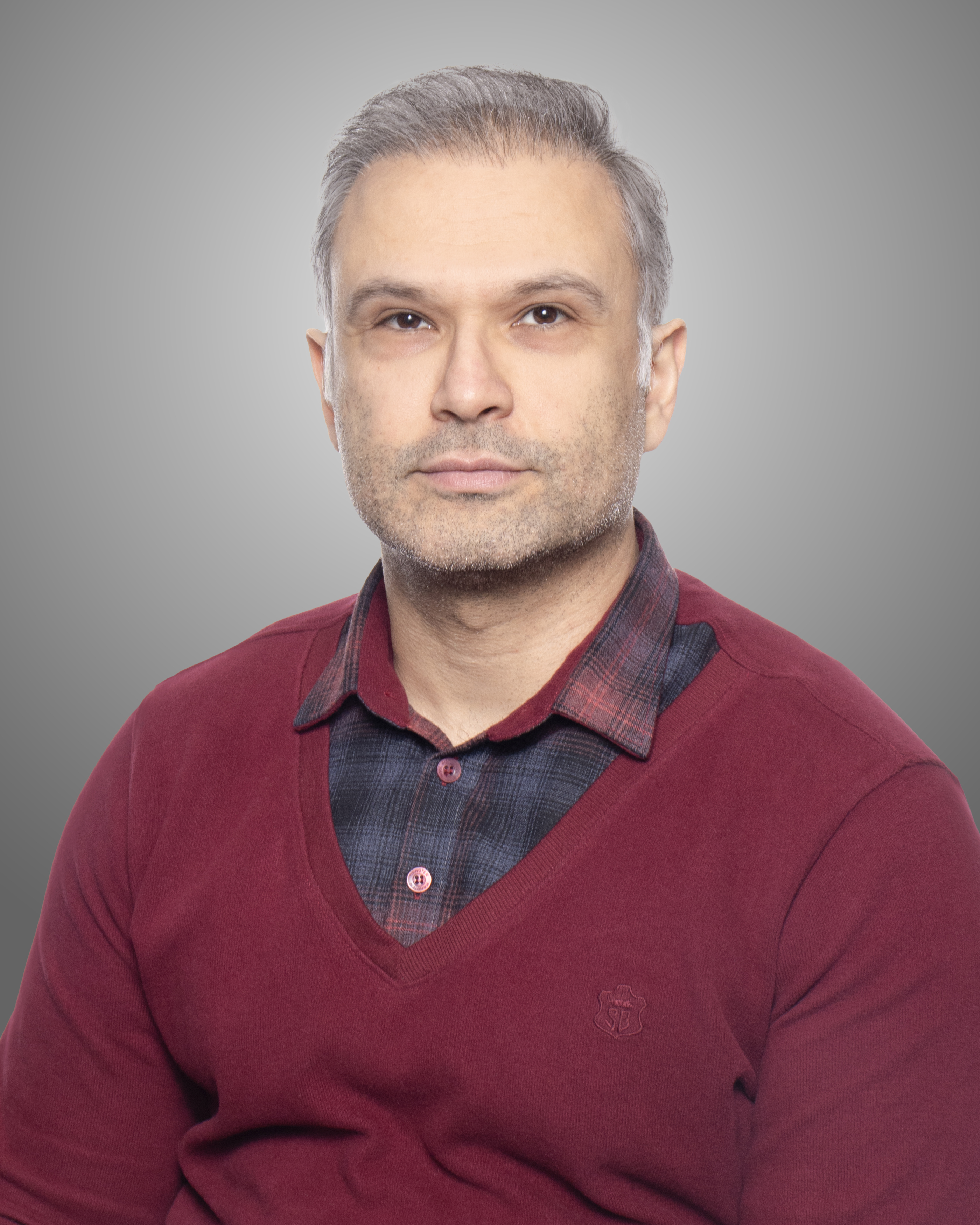
Dr. Jalal Khademi
PhD in Psychology, Depression, Anxiety & Panic Attacks