🇳🇴 Oslo
Norway
Norway's quiet capital, where there is welfare and warmth is scarce
Oslo's happiness statistics are among the highest in the world. For an Iranian immigrant arriving from a loud culture, that Norwegian calm can sometimes feel like a heavy silence.
What you get with Emotral
We make the whole path easy, from finding the right therapist to your first session.
- No waiting listChoose your therapist and book an open slot right away.
- 15-minute intro sessionMeet your therapist before you start and see whether it feels right.
- 24/7 supportQuestions about booking, payment or a session? Our team is there.
- Persian-speaking therapistsSomeone who understands your language, culture and migration story.
- Student discountStudents pay less once their student status is verified.
- Simple and fully onlineBook, pay by card and meet over secure video, anywhere in Oslo.
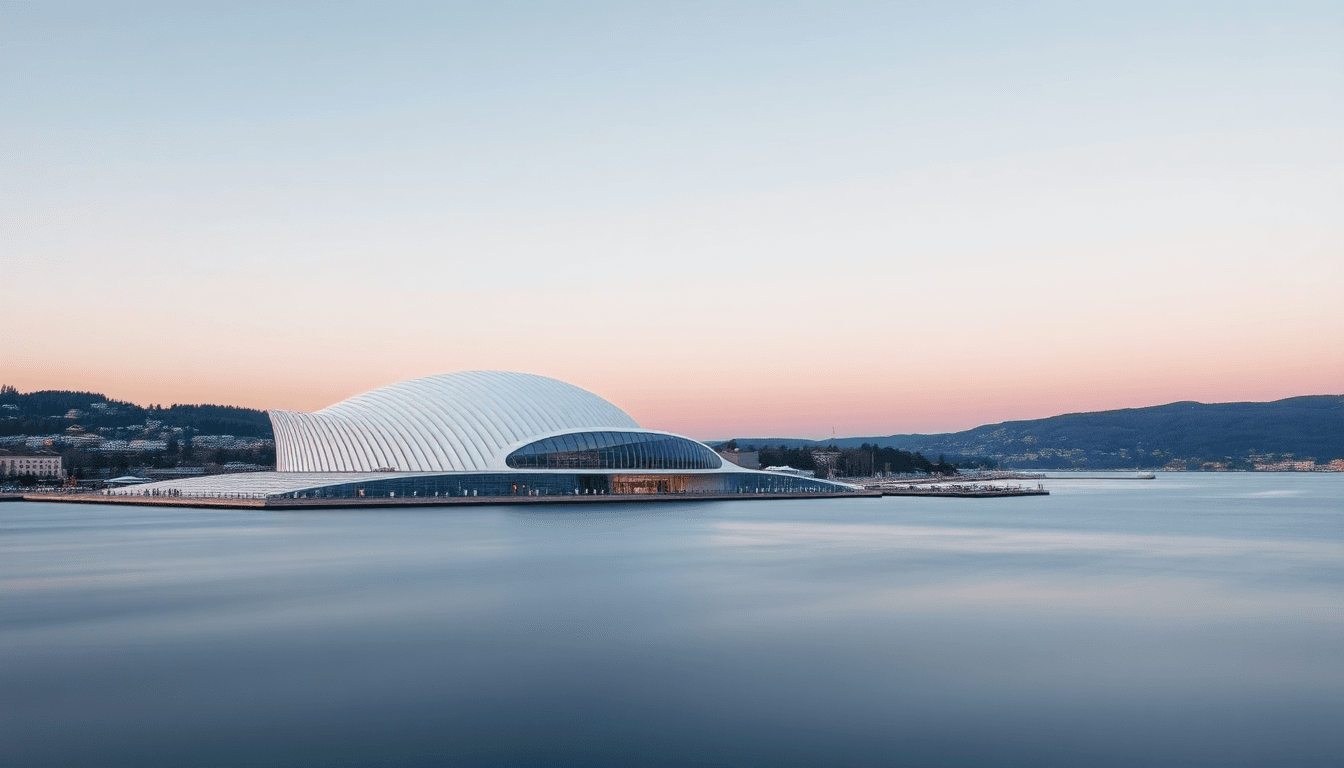
Oslo: the city that defines Norway
Norway's Iranian community is concentrated in Oslo and was formed by several waves: the first after the revolution, the asylum wave of the 1990s, and newer arrivals for study and work. It is a relatively cohesive community, with mosques, cultural associations, and places for Nowruz and other occasions.
Norway is one of the wealthiest countries in the world, and that wealth is clearly visible in the infrastructure, the social services and the quality of life. Free healthcare, free education, strong social welfare, and decent job opportunities are advantages most Iranians here appreciate honestly. Oslo is an island of stability in a turbulent world.
Oslo is also a small city, around 700,000 people, and that smallness can be dispiriting at first for Iranians arriving from somewhere louder. Life here is calm, sometimes very calm. At eight in the evening the central streets can be empty. For some people that quiet is a refuge; for others it sounds like something being muffled.
The Norwegian winter, and the unwritten rule of distance
Oslo's winter is genuinely dark. In December there are about six hours of daylight, and that is if it is not overcast. That long darkness, combined with sub-zero cold and snow, reaches deep into the mind. Seasonal affective disorder is common enough in Norway that therapy lamps are sold in pharmacies.
Norwegians, like other Scandinavians, have a relationship with nature that sits at a distance from Iranian culture. Friluftsliv, life in the open air, is close to sacred here: skiing, hiking, long walks. Iranians who did not grow up with that outdoor physical culture sometimes feel an important part of local life is simply closed to them.
Norwegians are polite on the surface and private underneath. Opening a real relationship with a Norwegian takes not months but sometimes years. Janteloven, the same unwritten Scandinavian rule about not thinking yourself better than others, is strong here too. Expressing feeling or success directly, which is natural in Iranian culture, can read as inappropriate in a Norwegian social setting.
Real integration: a goal measured in years
Learning Norwegian is necessary for genuine career progress. In the international technology sector you can work in English, but in the public sector, in social services, and in leadership positions, Norwegian is a condition. That linguistic pressure, complicated further by Norway's several written and spoken forms, Bokmal, Nynorsk and strong local dialects, is one of the real psychological loads of moving here.
Iranians in Norway frequently live inside an emotional contradiction: gratitude towards a country that gave them shelter and opportunity, alongside exhaustion at the social distance and cultural isolation. Both feelings are real at the same time, and suppressing one in favour of the other usually leads to burnout.
The second generation grows up with a Norwegian-Iranian identity that differs from their parents'. These children are comfortable in Norwegian settings, treat Norwegian as their first language, and sometimes look critically at certain Iranian traditions. That generational distance is a source of tension, and sometimes grief, in Iranian-Norwegian families.
What Farsi-speaking newcomers in Oslo find hardest
Long winter darkness and severe seasonal depression
Scandinavian reserve, and how hard friendship is to start
Learning Norwegian, and its several dialects
A very high cost of living
A relatively small city, and quiet evenings
Distance from the Norwegian outdoor culture
The tension between gratitude and the fatigue of being a guest
Generational distance inside Iranian-Norwegian families
A Farsi-speaking therapist in the land of the fjords
Norway is one of the countries where reaching a therapist through the public system can take a long time, and private treatment is expensive. An online Farsi-speaking therapist removes those limits and offers something accessible, flexible, and culturally grounded.
For an Iranian working through seasonal depression in a long Oslo winter, speaking with a therapist who understands the language your feelings are in, and knows your culture, is an immediate improvement in how life feels. They can help you hold both the gratitude towards Norway and the exhaustion at the social distance, without treating either as something to feel guilty about.
Farsi-speaking therapists available to you
Every Emotral session is online, so these therapists — wherever in the world they live — are available to Iranians in Oslo, and you see the session time in your own local clock.

Dr. Farzaneh Abroshan
Acceptance and Commitment Therapy (ACT), Schema Therapy, Group Therapy

Dr. Mojgan Shariatpanahi
Individual Therapy (Adults), Family Therapy, Couples Therapy
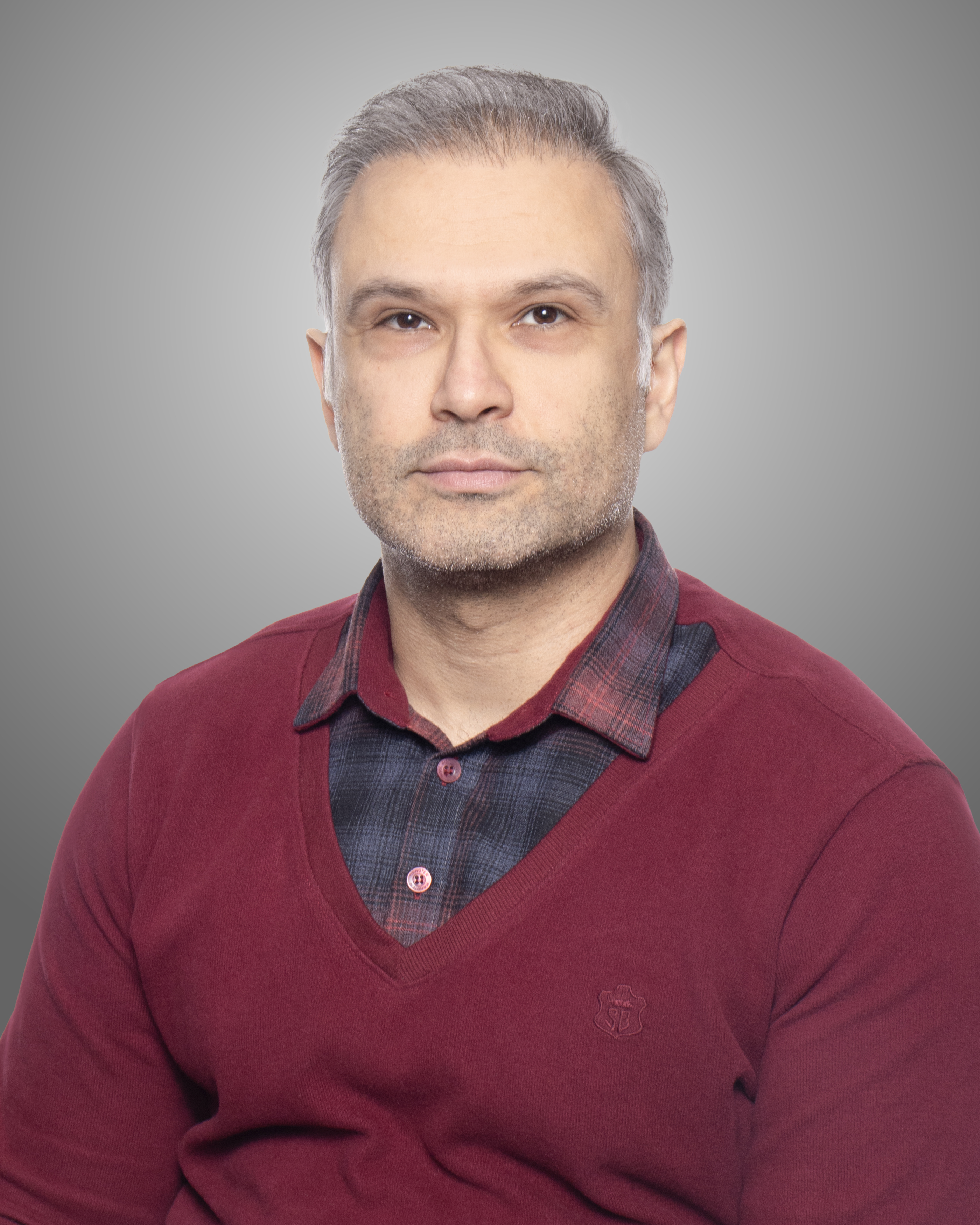
Dr. Jalal Khademi
PhD in Psychology, Depression, Anxiety & Panic Attacks

Lena Ebadi
Intensive Short-Term Dynamic Psychotherapy (ISTDP), Cognitive Behavioral Therapy (CBT), Individual Therapy (Adults)

Dr. Fatemeh Mesgarian
Analytic Psychotherapy, Individual Therapy (Adults), Individual Counseling

Dr. Farzad Rasoulof
Schema Therapy, Cognitive Behavioral Therapy (CBT), Acceptance and Commitment Therapy (ACT)