🇩🇪 Hamburg
Germany
The city Iranians reached before any other
Hamburg holds the most deeply rooted Iranian community in Germany. Iranian merchants traded in this port from the early decades of the twentieth century, and the Imam Ali mosque beside the Alster is one of the oldest Iranian centres in Europe. A large community, though, is not the same thing as being able to get psychological help in your own language.
What you get with Emotral
We make the whole path easy, from finding the right therapist to your first session.
- No waiting listChoose your therapist and book an open slot right away.
- 15-minute intro sessionMeet your therapist before you start and see whether it feels right.
- 24/7 supportQuestions about booking, payment or a session? Our team is there.
- Persian-speaking therapistsSomeone who understands your language, culture and migration story.
- Student discountStudents pay less once their student status is verified.
- Simple and fully onlineBook, pay by card and meet over secure video, anywhere in Hamburg.
Living in Hamburg, and what gets said less often
Hamburg is a city of water and wind and grey sky. More than a hundred rainy days a year, and a winter that goes dark at four in the afternoon. For somebody raised in Iranian light and warmth, that long darkness is something nobody warns you about before you emigrate. Seasonal low mood is common here and is frequently mistaken for laziness or lack of motivation.
Unlike many other cities, the Iranian community in Hamburg is settled and spans generations: a first generation of merchants and doctors, a second born in Germany, and a newer wave that arrived after the nineties. So the social network exists, and that same network sometimes applies pressure. Everyone knows everyone, which is exactly why many people will not take a psychological problem to somebody inside that circle.
Why getting a therapy appointment in Germany takes so long
Psychotherapy in Germany is covered by health insurance, and reaching it is not simple. To use your insurance you have to see a therapist who holds a Kassensitz, a contract licence with the insurers, and the number of those licences is limited and fixed. The process runs: a short assessment session, then a few trial sessions, then an application to the insurer for approval.
According to surveys by the Federal Chamber of Psychotherapists, the average wait to begin treatment in Germany runs to several months, and longer in the large cities. Now add the condition in Farsi: the number of insurance-licensed psychotherapists who can conduct therapy in Persian across the whole of Germany is very small. In practice that means a wait with no visible end.
There is another route, Kostenerstattung: if you can document that you could not find an available place, the insurer may agree to cover a private therapist. It is a real option and it involves paperwork, which is itself a test for somebody who is not well.
Therapy in a second language leaves half of it unsaid
Many Iranians in Hamburg speak good German. The problem is not linguistic ability. The problem is that feeling is built in the mother tongue.
When you want to talk about your relationship with your mother, about the night you decided to leave, or about a feeling that has no precise German name, the simultaneous translation in your head creates distance. You report the events instead of living through them again. Therapy works in exactly the layer that translation removes.
What Farsi-speaking newcomers in Hamburg find hardest
Long dark winters and seasonal low mood
A large Iranian community, and the fear of being talked about inside it
Months-long waiting lists for an insurance-covered therapist
Generational distance from children born in Germany
Feeling foreign to the reserved culture of northern Germany
Why an online Farsi-speaking therapist makes sense in Hamburg
You do not have to wait for a place to open on a German therapist's list and then hope they understand what taarof or aberu means. Emotral's therapists all speak Farsi and most of them have lived migration themselves.
Sessions are online and secure, so Hamburg rain and the commute across the city come out of the equation. You can talk from your own room, in your own language, at an hour that fits around your work.
Farsi-speaking therapists available to you
Every Emotral session is online, so these therapists — wherever in the world they live — are available to Iranians in Hamburg, and you see the session time in your own local clock.

Lena Ebadi
Based in Germany
Intensive Short-Term Dynamic Psychotherapy (ISTDP), Cognitive Behavioral Therapy (CBT), Individual Therapy (Adults)

Paria Arjmandi
Based in Germany
Intensive Short-Term Dynamic Psychotherapy (ISTDP), Analytic Psychotherapy, Dynamic Psychotherapy

Yousof Zohdi Omouei
Based in Germany
Cognitive Behavioral Therapy (CBT), Acceptance and Commitment Therapy (ACT), Schema Therapy

Dr. Farzaneh Abroshan
Acceptance and Commitment Therapy (ACT), Schema Therapy, Group Therapy

Dr. Mojgan Shariatpanahi
Individual Therapy (Adults), Family Therapy, Couples Therapy
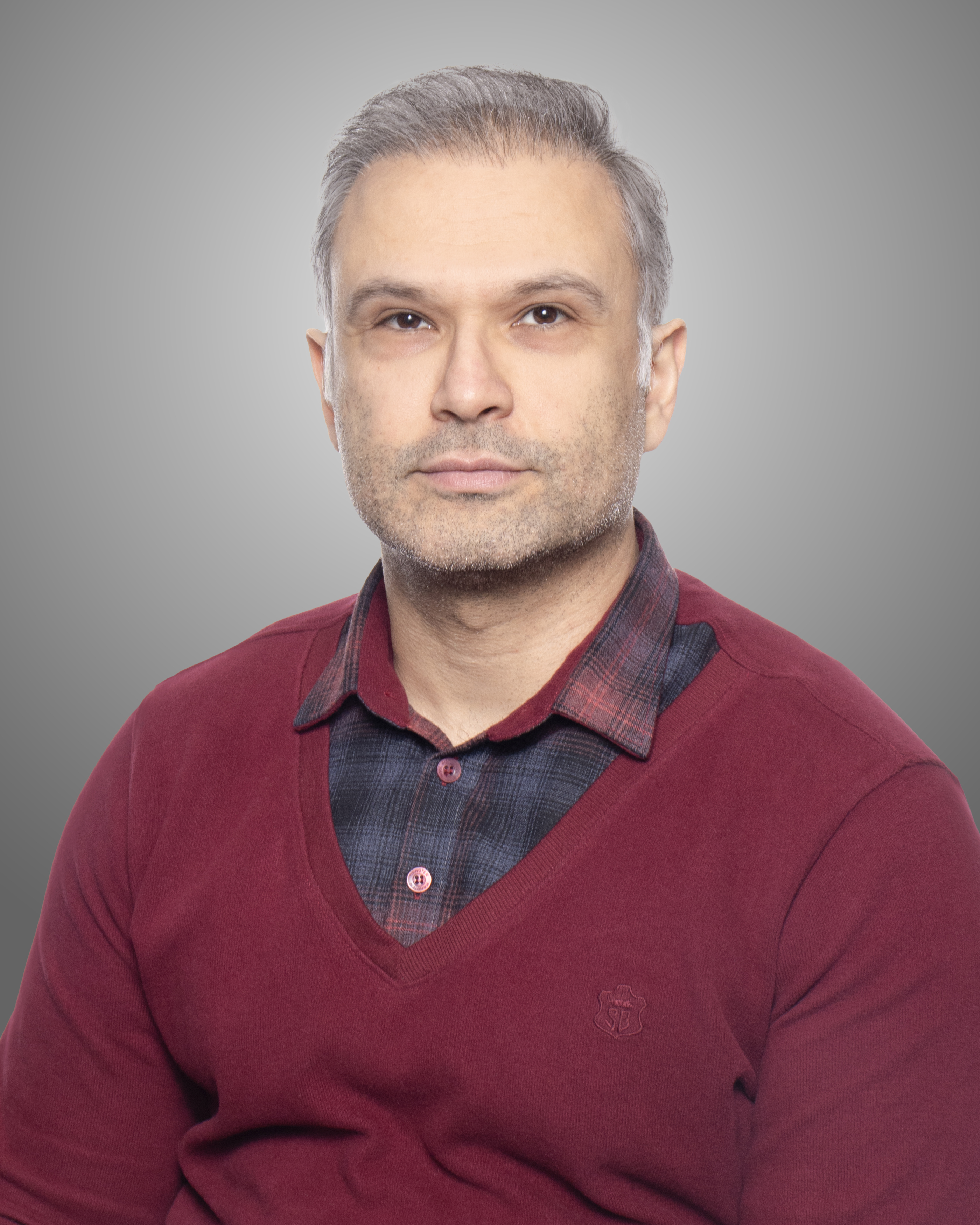
Dr. Jalal Khademi
PhD in Psychology, Depression, Anxiety & Panic Attacks
Farsi-speaking therapists for Iranians across Germany
Other city guides: Berlin, Munich, Frankfurt, Cologne, Dusseldorf, Stuttgart